动画3D随机游走
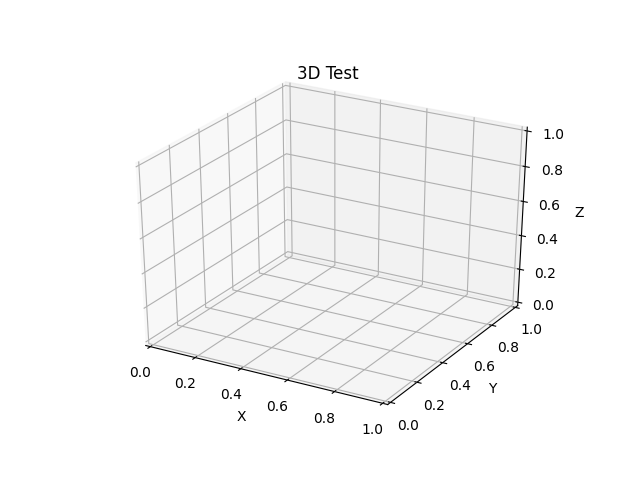
import numpy as npimport matplotlib.pyplot as pltimport mpl_toolkits.mplot3d.axes3d as p3import matplotlib.animation as animation# Fixing random state for reproducibilitynp.random.seed(19680801)def Gen_RandLine(length, dims=2):"""Create a line using a random walk algorithmlength is the number of points for the line.dims is the number of dimensions the line has."""lineData = np.empty((dims, length))lineData[:, 0] = np.random.rand(dims)for index in range(1, length):# scaling the random numbers by 0.1 so# movement is small compared to position.# subtraction by 0.5 is to change the range to [-0.5, 0.5]# to allow a line to move backwards.step = ((np.random.rand(dims) - 0.5) * 0.1)lineData[:, index] = lineData[:, index - 1] + stepreturn lineDatadef update_lines(num, dataLines, lines):for line, data in zip(lines, dataLines):# NOTE: there is no .set_data() for 3 dim data...line.set_data(data[0:2, :num])line.set_3d_properties(data[2, :num])return lines# Attaching 3D axis to the figurefig = plt.figure()ax = p3.Axes3D(fig)# Fifty lines of random 3-D linesdata = [Gen_RandLine(25, 3) for index in range(50)]# Creating fifty line objects.# NOTE: Can't pass empty arrays into 3d version of plot()lines = [ax.plot(dat[0, 0:1], dat[1, 0:1], dat[2, 0:1])[0] for dat in data]# Setting the axes propertiesax.set_xlim3d([0.0, 1.0])ax.set_xlabel('X')ax.set_ylim3d([0.0, 1.0])ax.set_ylabel('Y')ax.set_zlim3d([0.0, 1.0])ax.set_zlabel('Z')ax.set_title('3D Test')# Creating the Animation objectline_ani = animation.FuncAnimation(fig, update_lines, 25, fargs=(data, lines),interval=50, blit=False)plt.show()
下载这个示例

若有收获,就点个赞吧
0 人点赞


