题目
给你一个嵌套的整型列表。请你设计一个迭代器,使其能够遍历这个整型列表中的所有整数。
列表中的每一项或者为一个整数,或者是另一个列表。其中列表的元素也可能是整数或是其他列表。
示例 1:
输入: [[1,1],2,[1,1]]输出: [1,1,2,1,1]解释: 通过重复调用 next 直到 hasNext 返回 false,next 返回的元素的顺序应该是: [1,1,2,1,1]。
示例 2:
输入: [1,[4,[6]]]输出: [1,4,6]解释: 通过重复调用 next 直到 hasNext 返回 false,next 返回的元素的顺序应该是: [1,4,6]。
题解
首先,我们很容易写出直接将列表展开的代码:
def Flatten_List(L):
    for i in L:
        if type(i) == int:
            yield i
        else:
            yield from Flatten_List(i)
然后,我心想怎么这么简单,就稍微修改一下就交了上去,结果是无情的报错!!!
class NestedIterator:
    def __init__(self, nestedList):
        self.L = self.List_iter(nestedList)

    def List_iter(self, L):
        for i in L:
            if type(i) == list:
                yield from self.List_iter(i)
            else:
                yield i

    def next(self):
        return self.val

    def hasNext(self) -> bool:
        try:
            self.val = next(self.L)
            return True
        except StopIteration:
            return False
为啥呢?我在本地运行也没问题啊,很正常啊!
L = [[1, 1], 2, [1, 1]]
i = NestedIterator([[1, 1], 2, [1, 1]])
while i.hasNext():
    print(i.next())

# 1
# 1
# 2
# 1
# 1
这提醒我们,一定要认真看代码框中的注释代码:
# """
# This is the interface that allows for creating nested lists.
# You should not implement it, or speculate about its implementation
# """
#class NestedInteger:
#    def isInteger(self) -> bool:
#        """
#        @return True if this NestedInteger holds a single integer, rather than a nested list.
#        """
#
#    def getInteger(self) -> int:
#        """
#        @return the single integer that this NestedInteger holds, if it holds a single integer
#        Return None if this NestedInteger holds a nested list
#        """
#
#    def getList(self) -> [NestedInteger]:
#        """
#        @return the nested list that this NestedInteger holds, if it holds a nested list
#        Return None if this NestedInteger holds a single integer
#        """

class NestedIterator:
    def __init__(self, nestedList: [NestedInteger]):


    def next(self) -> int:


    def hasNext(self) -> bool:


# Your NestedIterator object will be instantiated and called as such:
# i, v = NestedIterator(nestedList), []
# while i.hasNext(): v.append(i.next())
这里的输入不是普通的List,而是它自己定义的一个数据结构 NestedInteger。。。
一把辛酸泪,谁知道我修改了半天,结果居然错在这里。。。
class NestedIterator:
    def __init__(self, nestedList: [NestedInteger]):
        self.L = self.nested_iter(nestedList)

    def nested_iter(self, L: [NestedInteger]):
        for i in L:
            if i.isInteger():
                yield i.getInteger()
            else:
                yield from self.nested_iter(i.getList())

    def next(self) -> int:
        return self.val

    def hasNext(self) -> bool:
        try:
            self.val = next(self.L)
            return True
        except StopIteration:
            return False
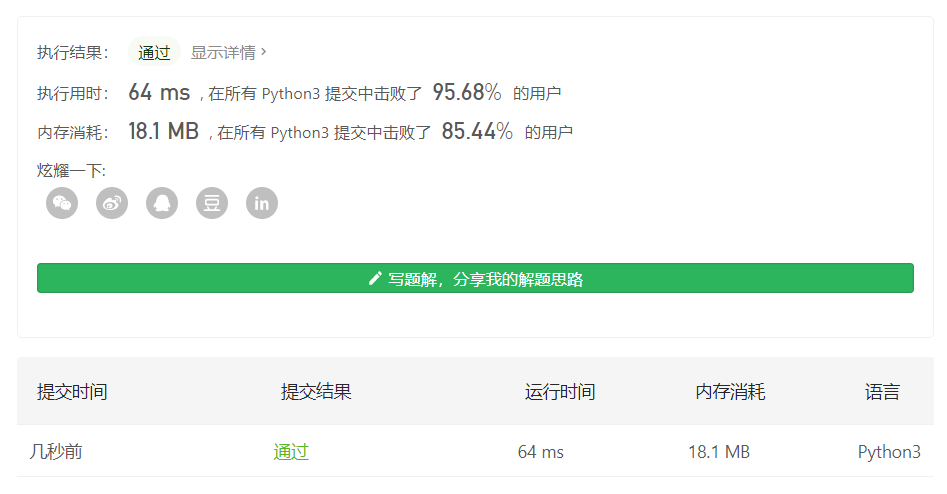

若有收获,就点个赞吧
0 人点赞


