RocketMQ中的负载均衡都在Client端完成,具体来说的话,主要可以分为Producer端发送消息时候的负载均衡和Consumer端订阅消息的负载均衡。
1 Producer的负载均衡
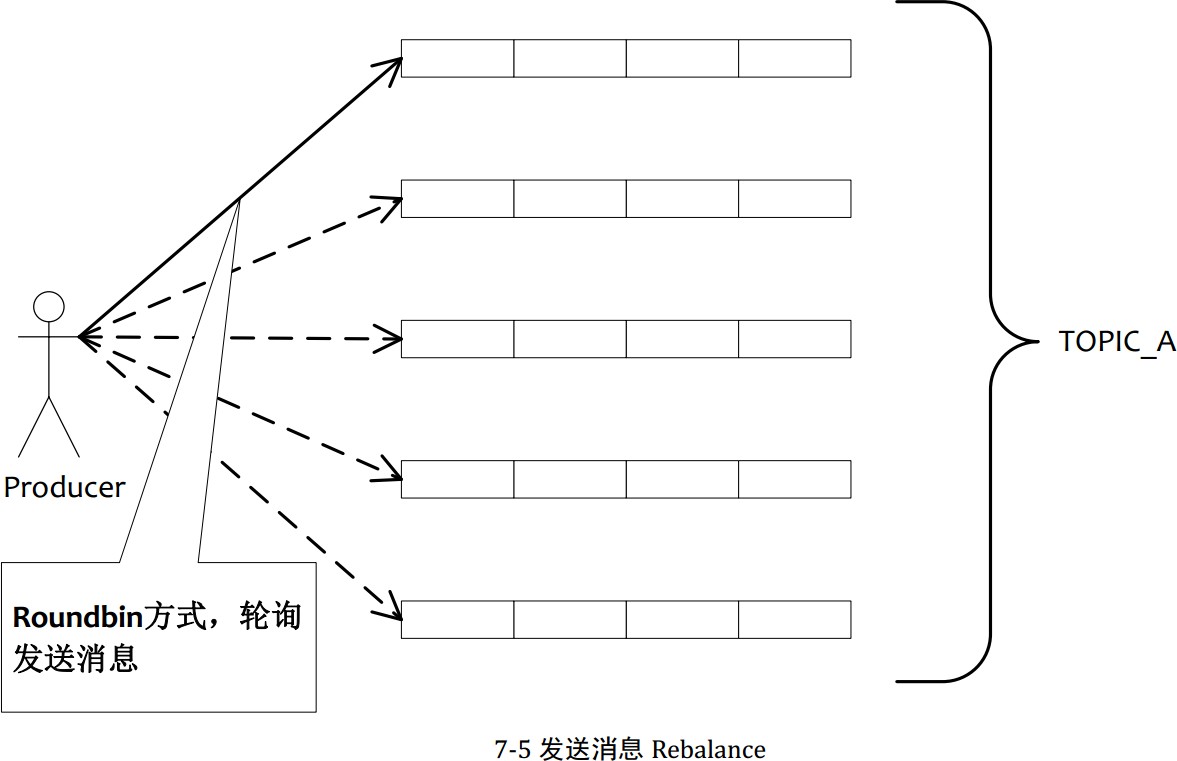
如图所示,5 个队列可以部署在一台机器上,也可以分别部署在 5 台不同的机器上,发送消息通过轮询队列的方式 发送,每个队列接收平均的消息量。通过增加机器,可以水平扩展队列容量。 另外也可以自定义方式选择发往哪个队列。
1.1 实际操作
1.1.1 创建主题
# 创建主题mqadmin updateTopic -n localhost:9876 -t tp_demo_02 -w 6 -b localhost:10911
1.1.2 示例代码
DefaultMQProducer producer = new DefaultMQProducer("producer_grp_02");
producer.setNamesrvAddr("node1:9876");

producer.start();
Message message = new Message();
message.setTopic("tp_demo_02");
message.setBody("hello lagou".getBytes());
// 指定MQ
SendResult result = producer.send(
    message,
    // 主题、broker_01、队列编号
    new MessageQueue("tp_demo_06", "node1", 5),
    1_000
);
System.out.println(result.getSendStatus());
producer.shutdown();
1.2 示例
1.2.1 mqadmin命令
# 显示所有命令
mqadmin
# 显示命令的使用方法
mqadmin help <command>
mqadmin help topicList
# 查看主题列表
mqadmin topicList -n localhost:9876
# 查看主题命令
mqadmin help updatTopic
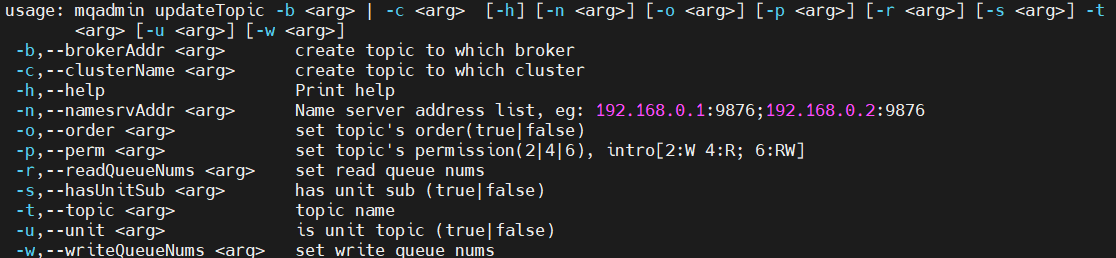
# 创建主题
mqadmin updateTopic -n localhost:9876 -b localhost:10911 -t tp_demo_06 -w 6

#查看brokername名称
mqbroker --help
mqbroker -p
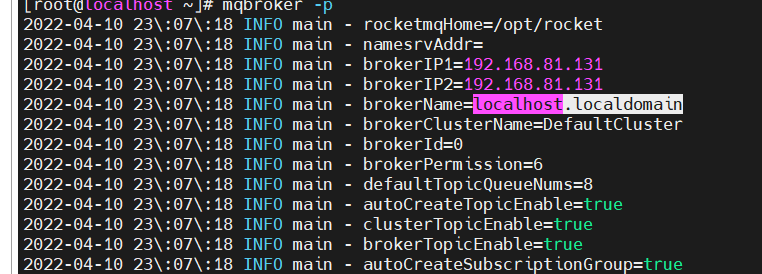
brokerName=localhost.localdomain
1.2.2 原生代码示例
根据上述配置信息,修改示例代码。
MyProducer
package com.hua.balance.producer;

import org.apache.rocketmq.client.exception.MQBrokerException;
import org.apache.rocketmq.client.exception.MQClientException;
import org.apache.rocketmq.client.producer.DefaultMQProducer;
import org.apache.rocketmq.client.producer.SendResult;
import org.apache.rocketmq.common.message.Message;
import org.apache.rocketmq.common.message.MessageQueue;
import org.apache.rocketmq.remoting.exception.RemotingException;

public class MyProducer {
    public static void main(String[] args) throws MQClientException, RemotingException,
            InterruptedException, MQBrokerException {
        DefaultMQProducer producer = new DefaultMQProducer("producer_grp_06_01");
        producer.setNamesrvAddr("192.168.81.131:9876");

        producer.start();

        Message message = new Message("tp_demo_06", "hello lagou".getBytes());

        final SendResult result = producer.send(message,
                new MessageQueue("tp_demo_06", "localhost.localdomain", 5));
        System.out.println(result);

        producer.shutdown();
    }
}

MyConsumer
package com.hua.balance.producer;

import org.apache.rocketmq.client.consumer.DefaultMQPullConsumer;
import org.apache.rocketmq.client.consumer.PullResult;
import org.apache.rocketmq.client.exception.MQBrokerException;
import org.apache.rocketmq.client.exception.MQClientException;
import org.apache.rocketmq.common.message.MessageQueue;
import org.apache.rocketmq.remoting.exception.RemotingException;

public class MyConsumer {
    public static void main(String[] args) throws InterruptedException,
        RemotingException, MQClientException, MQBrokerException {
        DefaultMQPullConsumer consumer =
            new DefaultMQPullConsumer("consumer_grp_06_01");
        consumer.setNamesrvAddr("192.168.81.131:9876");

        consumer.start();

        final PullResult pullResult = consumer.pull(new MessageQueue(
                        "tp_demo_06",
                        "localhost.localdomain",
                        5
                ),
                "*",
                0L,
                10);

        System.out.println(pullResult);

        pullResult.getMsgFoundList().forEach(messageExt -> {
            System.out.println(messageExt);
        });

        consumer.shutdown();

    }
}

将queueId=4,则报
2 Consumer的负载均衡
2.1 基本理念
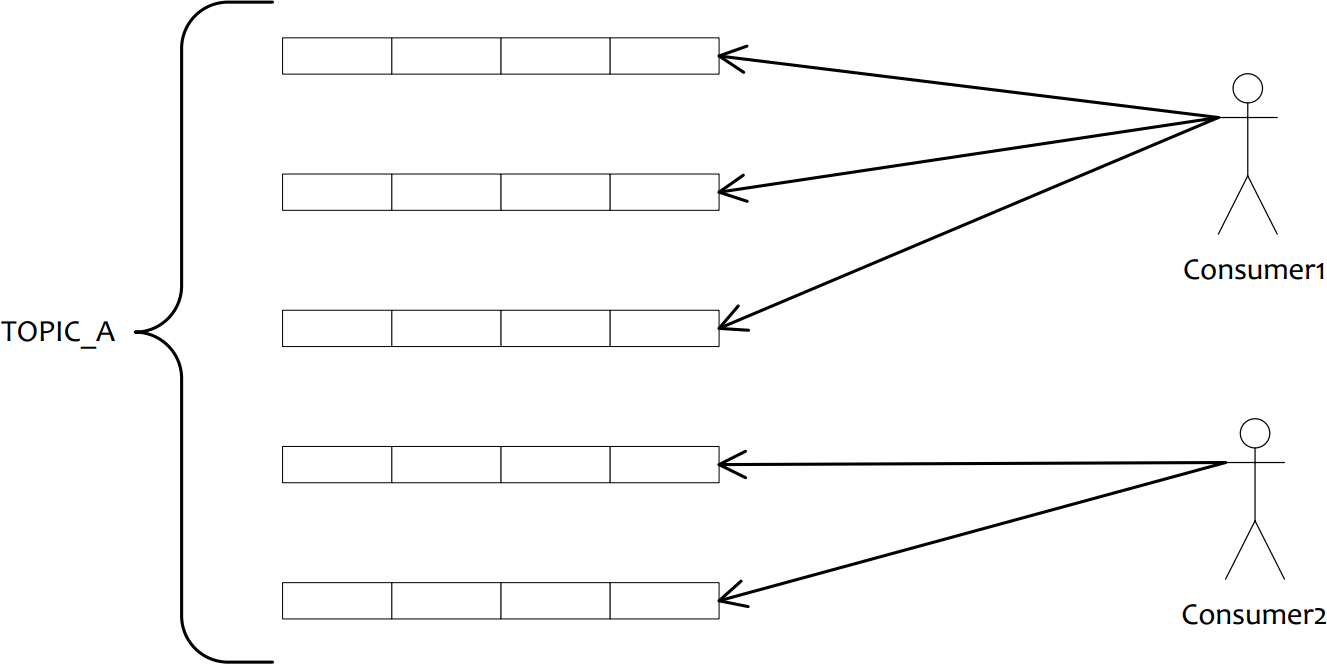
如图所示,如果有 5 个队列,2 个 consumer,那么第一个 Consumer 消费 3 个队列,第二个consumer 消费 2 个队列。 这样即可达到平均消费的目的,可以水平扩展 Consumer 来提高消费能力。但是 Consumer 数量要小于等于队列数量,如果 Consumer 超过队列数量,那么多余的Consumer 将不能消费消息 。
在RocketMQ中,Consumer端的两种消费模式(Push/Pull)底层都是基于拉模式来获取消息的,而在Push模式只是对pull模式的一种封装,其本质实现为消息拉取线程在从服务器拉取到一批消息后, 然后提交到消息消费线程池后,又“马不停蹄”的继续向服务器再次尝试拉取消息。如果未拉取到消息,则延迟一下又继续拉取。
在两种基于拉模式的消费方式(Push/Pull)中,均需要Consumer端在知道从Broker端的哪一个消息队列中去获取消息。
因此,有必要在Consumer端来做负载均衡,即Broker端中多个MessageQueue分配给同一个
ConsumerGroup中的哪些Consumer消费。
要做负载均衡,必须知道一些全局信息,也就是一个ConsumerGroup里到底有多少个Consumer。
知道了全局信息,才可以根据某种算法来分配,比如简单地平均分到各个Consumer。
2.2 DefaultMQPullConsumer
在RocketMQ中,负载均衡或者消息分配是在Consumer端代码中完成的,Consumer从Broker处获得全局信息,然后自己做负载均衡,只处理分给自己的那部分消息。
Pull Consumer可以看到所有的Message Queue,而且从哪个Message Queue读取消息,读消息时的Offset都由使用者控制,使用者可以实现任何特殊方式的负载均衡。
DefaultMQPullConsumer有两个辅助方法可以帮助实现负载均衡,一个是
registerMessageQueueListener函数,一个是MQPullConsumerScheduleService(使用这个Class类似使用DefaultMQPushConsumer,但是它把Pull消息的主动性留给了使用者)
public class MyConsumer {
    public static void main(String[] args) throws MQClientException,
            RemotingException, InterruptedException, MQBrokerException {
        DefaultMQPullConsumer consumer = new
                DefaultMQPullConsumer("consumer_pull_grp_01");
        consumer.setNamesrvAddr("node1:9876");
        consumer.start();
        Set<MessageQueue> messageQueues =
                consumer.fetchSubscribeMessageQueues("tp_demo_01");
        for (MessageQueue messageQueue : messageQueues) {
            // 指定从哪个MQ拉取数据
            PullResult result = consumer.pull(messageQueue, "*", 0L, 10);
            List<MessageExt> msgFoundList = result.getMsgFoundList();
            for (MessageExt messageExt : msgFoundList) {
                System.out.println(messageExt);
            }
        }
        consumer.shutdown();
    }
}
2.3 DefaultMQPushConsumer
DefaultMQPushConsumer的负载均衡过程不需要使用者操心,客户端程序会自动处理,每个DefaultMQPushConsumer启动后,会马上会触发一个doRebalance动作;而且在同一个
ConsumerGroup里加入新的DefaultMQPush-Consumer时,各个Consumer都会被触发doRebalance动作。
负载均衡的分配粒度只到Message Queue,把Topic下的所有Message Queue分配到不同的Consumer中。
如下图所示,具体的负载均衡算法有几种,默认用的是AllocateMessageQueueAveragely。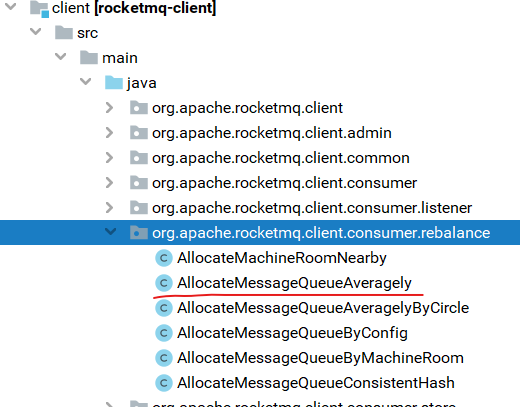
我们可以设置负载均衡的算法:
public static void main(String[] args) {
    DefaultMQPushConsumer consumer = new
            DefaultMQPushConsumer("consumer_push_grp_01");
    consumer.setNamesrvAddr("node1:9876");
    // 设置负载均衡算法
    consumer.setAllocateMessageQueueStrategy(new
            AllocateMessageQueueAveragely());
    consumer.setMessageListener(new MessageListenerConcurrently() {
        @Override
        public ConsumeConcurrentlyStatus consumeMessage(List<MessageExt> msgs,
                                         ConsumeConcurrentlyContext context) {
            // todo 处理接收到的消息
            return null;
        }
    });
    consumer.start();
}
以AllocateMessageQueueAveragely策略为例,如果创建Topic的时候,把Message Queue数设为3,当Consumer数量为2的时候,有一个Consumer需要处理Topic三分之二的消息,另一个处理三分之一的消息;当Consumer数量为4的时候,有一个Consumer无法收到消息,其他3个Consumer各处理Topic三分之一的消息。
可见Message Queue数量设置过小不利于做负载均衡,通常情况下,应把一个Topic的Message Queue数设置为16。
1、Consumer端的心跳包发送
在Consumer启动后,它就会通过定时任务不断地向RocketMQ集群中的所有Broker实例发送心跳包(其中包含了消息消费分组名称、订阅关系集合、消息通信模式和客户端id的值等信息)。Broker端在收到Consumer的心跳消息后,会将它维护在ConsumerManager的本地缓存变量—consumerTable,同时并将封装后的客户端网络通道信息保存在本地缓存变量—channelInfoTable中, 为之后做Consumer端的负载均衡提供可以依据的元数据信息。
2、Consumer端实现负载均衡的核心类—RebalanceImpl
在Consumer实例的启动流程中启动MQClientInstance实例的部分,会完成负载均衡服务线程— RebalanceService的启动(每隔20s执行一次)。
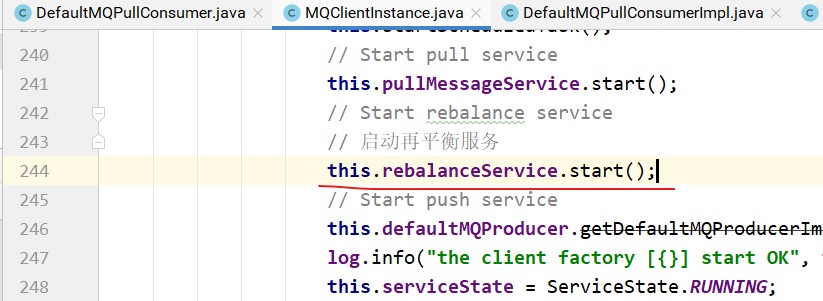
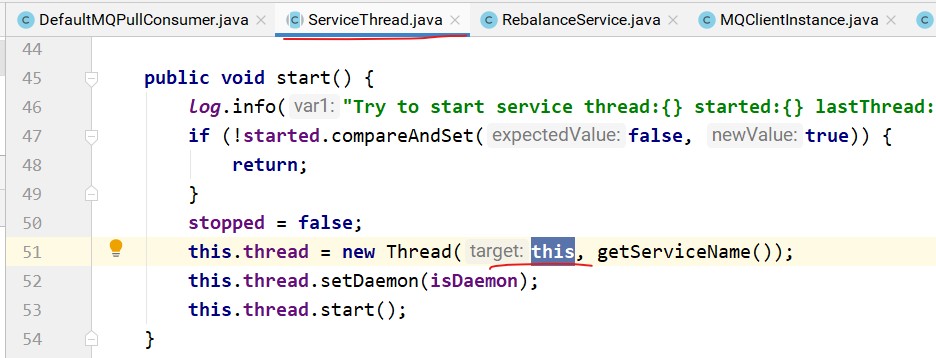
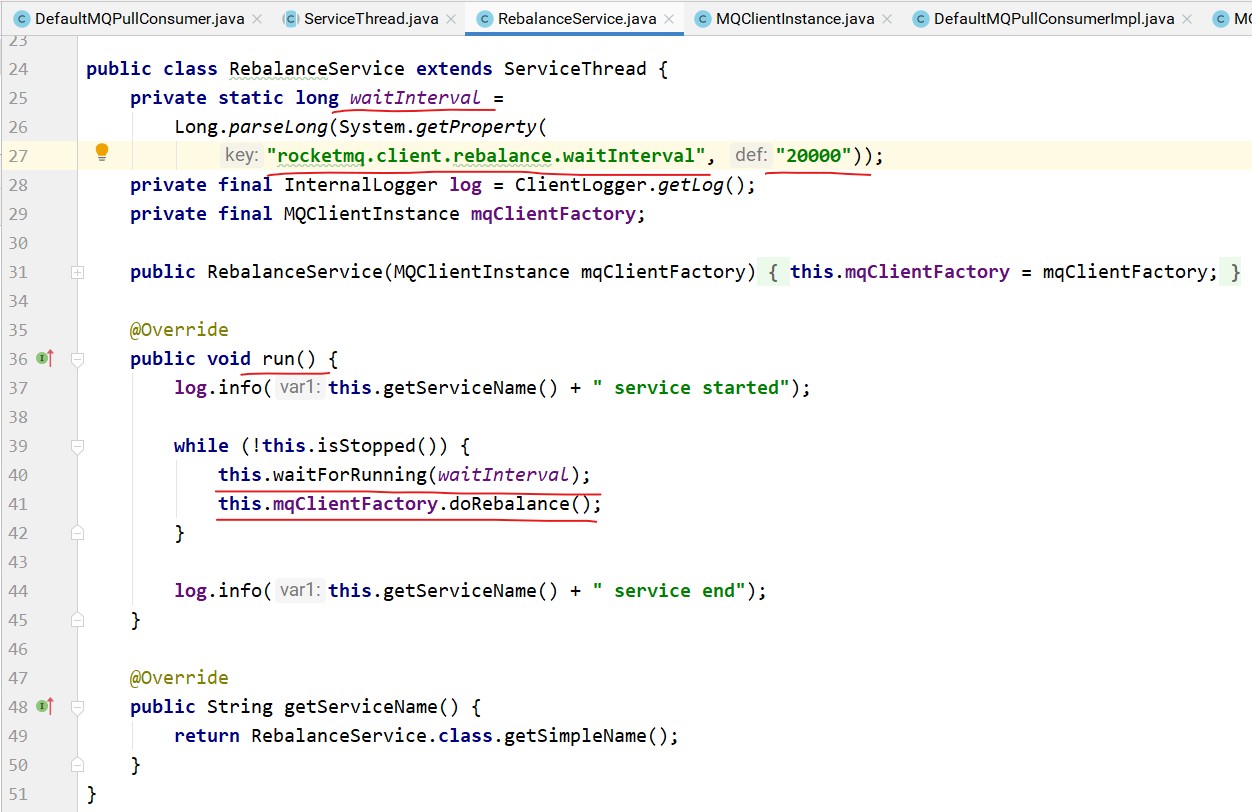
通过查看源码可以发现,RebalanceService线程的run()方法最终调用的是RebalanceImpl类的
rebalanceByTopic()方法,该方法是实现Consumer端负载均衡的核心。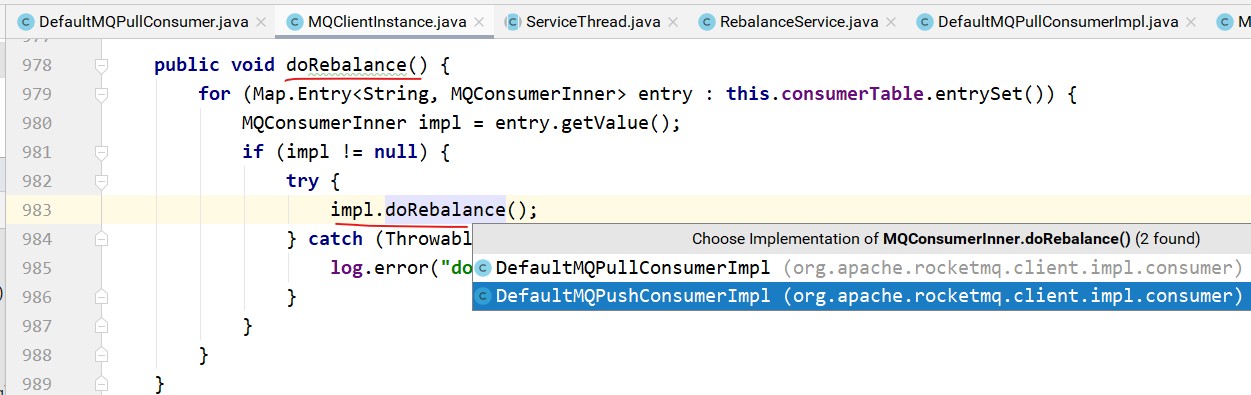
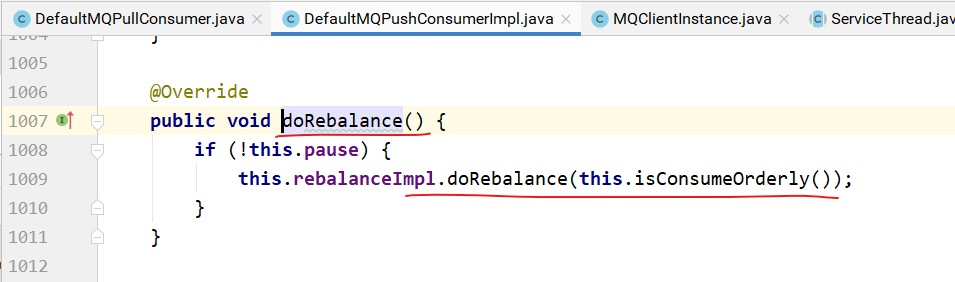
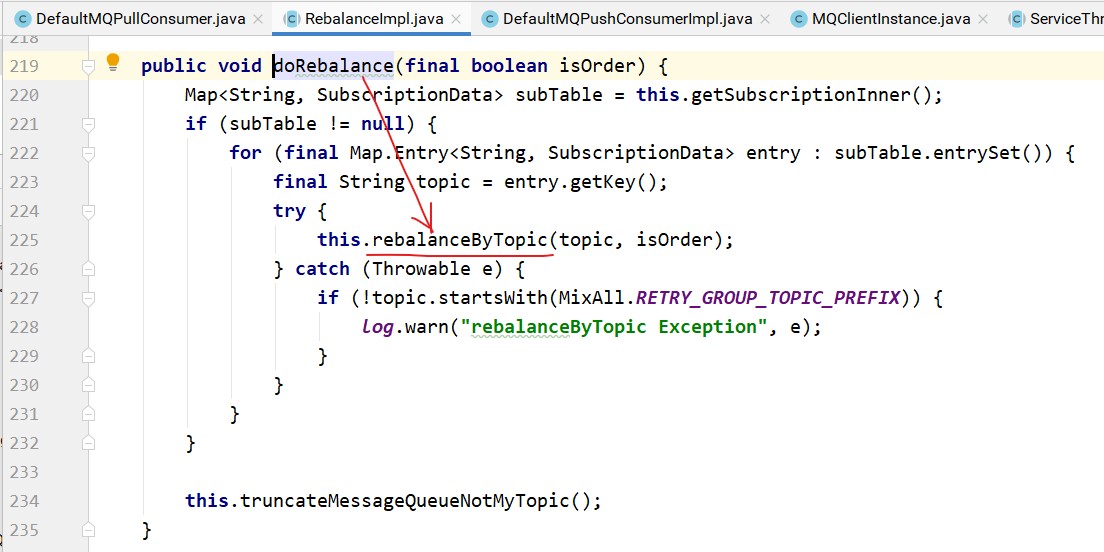
这里,rebalanceByTopic()方法根据消费者通信类型为“广播模式”还是“集群模式”做不同的逻辑处 理。
3、对于集群模式:
case CLUSTERING: {
    Set<MessageQueue> mqSet = this.topicSubscribeInfoTable.get(topic);
    List<String> cidAll = this.mQClientFactory.findConsumerIdList(topic,
            consumerGroup);
    if (null == mqSet) {
        if (!topic.startsWith(MixAll.RETRY_GROUP_TOPIC_PREFIX)) {
            log.warn("doRebalance, {}, but the topic[{}] not exist.",
                    consumerGroup, topic);
        }
    }
    if (null == cidAll) {
        log.warn("doRebalance, {} {}, get consumer id list failed",
                consumerGroup, topic);
    }
    if (mqSet != null && cidAll != null) {
        List<MessageQueue> mqAll = new ArrayList<MessageQueue>();
        mqAll.addAll(mqSet);
        // 对MQ进行排序
        Collections.sort(mqAll);
        // 对消费者ID进行排序
        Collections.sort(cidAll);
        AllocateMessageQueueStrategy strategy =
                this.allocateMessageQueueStrategy;
        List<MessageQueue> allocateResult = null;
        try {
            // 计算当前消费者应该分配的MQ集合
            allocateResult = strategy.allocate(
                    // 当前消费者所属的消费组
                    this.consumerGroup,
                    // 当前消费者ID
                    this.mQClientFactory.getClientId(),
                    // MQ集合
                    mqAll,
                    // 消费组中消费者ID集合
                    cidAll);
        } catch (Throwable e) {
            log.error("AllocateMessageQueueStrategy.allocate Exception.
                    allocateMessageQueueStrategyName = {}", strategy.getName(),
                    e);
            return;
        }
        Set<MessageQueue> allocateResultSet = new HashSet<MessageQueue>();
        if (allocateResult != null) {
            allocateResultSet.addAll(allocateResult);
        }
        boolean changed = this.updateProcessQueueTableInRebalance(topic,
                allocateResultSet, isOrder);
        if (changed) {
            log.info(
                    "rebalanced result changed.
                    allocateMessageQueueStrategyName = {}, group = {}, topic = {},
                    clientId = {}, mqAllSize = {}, cidAllSize = {},
                    rebalanceResultSize = {}, rebalanceResultSet = {}",
                    strategy.getName(), consumerGroup, topic,
                    this.mQClientFactory.getClientId(), mqSet.size(), cidAll.size(),
                    allocateResultSet.size(), allocateResultSet);
            this.messageQueueChanged(topic, mqSet, allocateResultSet);
        }
    }
    break;
}
默认的负载均衡算法: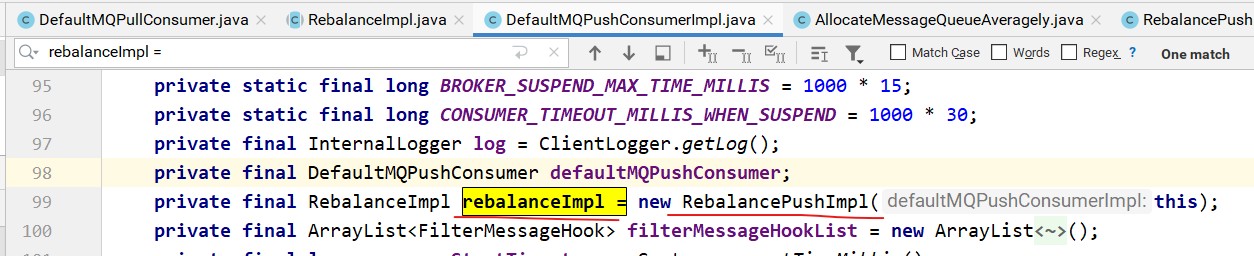
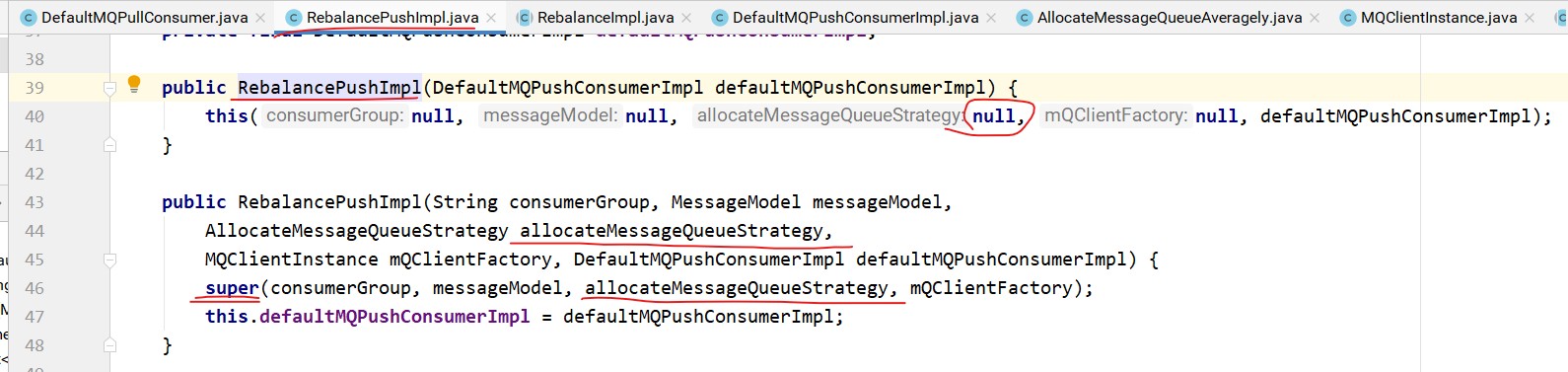
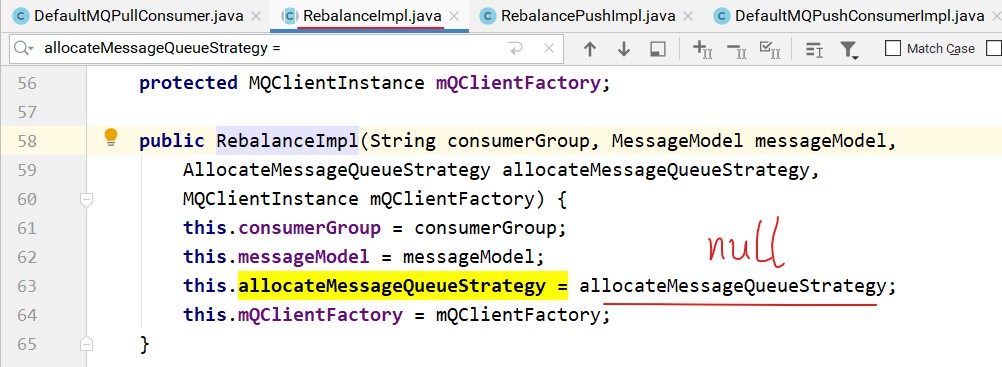
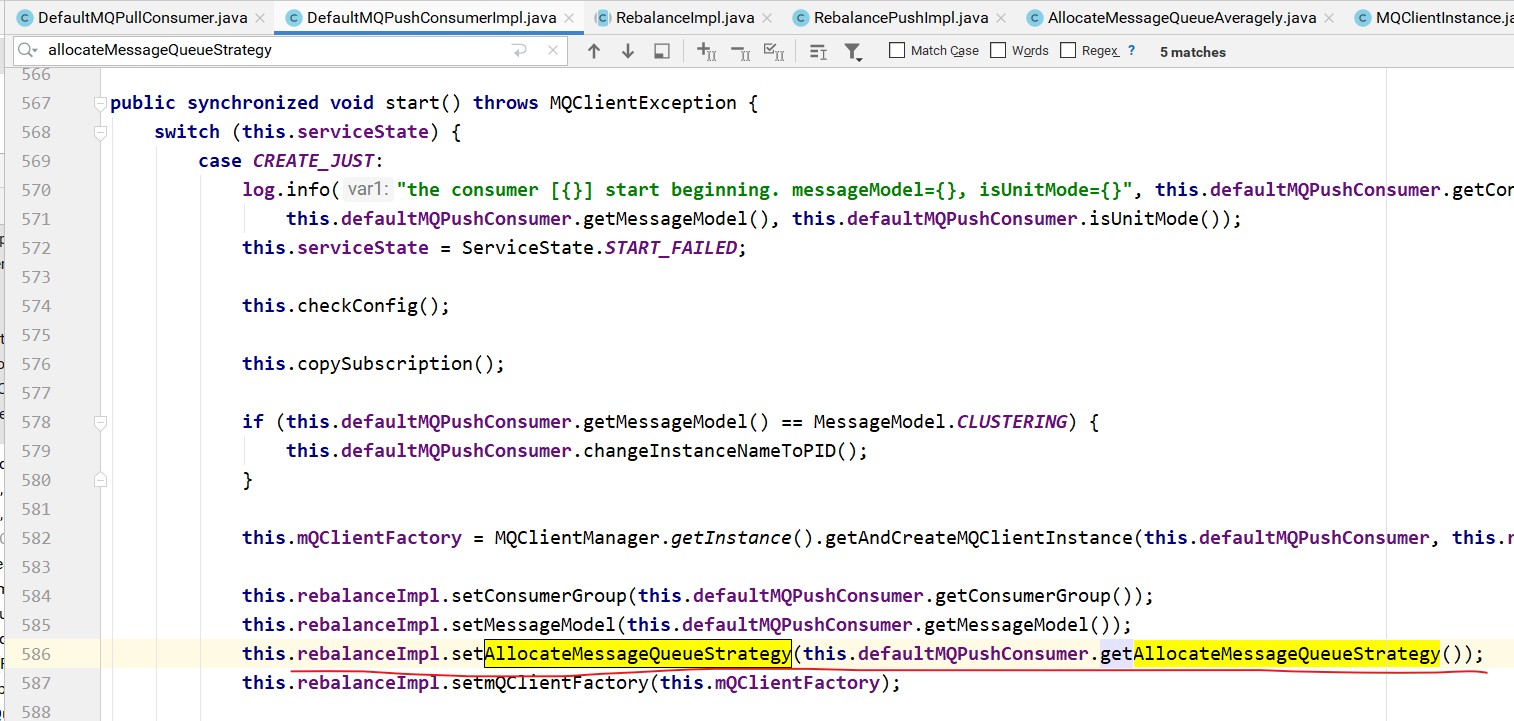
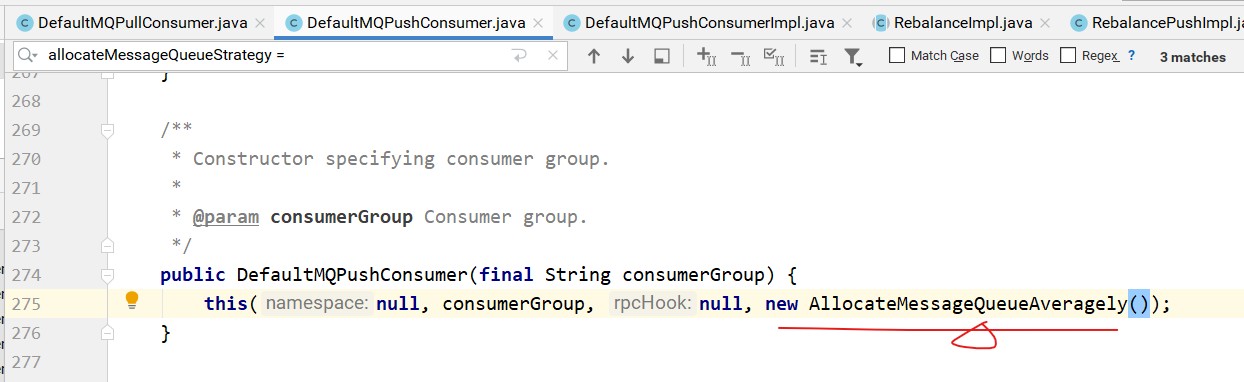
AllocateMessageQueueAveragely是默认的MQ分配对象。算法: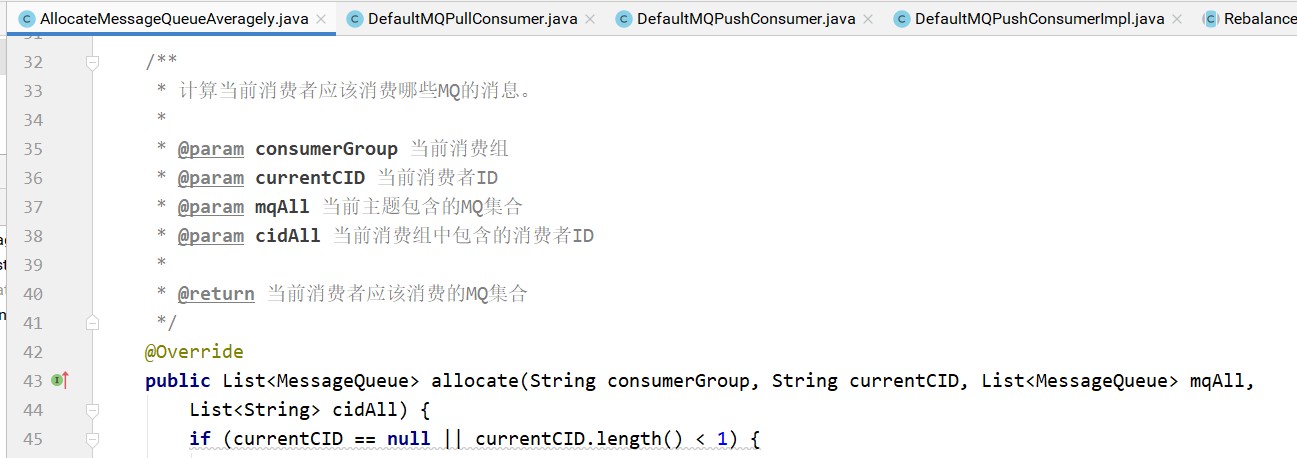
4、AllocateMessageQueueAveragely#allocate方法
// 获取当前消费者在cidAll集合中的下标
int index = cidAll.indexOf(currentCID);
// mqAll对cidAll大小取模
int mod = mqAll.size() % cidAll.size();
// 计算每个消费者应该分配到的mq数量
// 如果mq个数小于等于消费者个数,每个消费者最多分配一个mq
// 如果mq个数大于消费者个数,
int averageSize =
        // 如果mq个数小于等于消费组中消费者个数
        mqAll.size() <= cidAll.size() ?
        // 平均数就是1
                1 :
        // 否则,看mod和index大小
                (mod > 0 && index < mod ?
        // 如果余数大于0并且当前消费者下标小于余数,则当前消费者应该消费平均数个mq + 1
            mqAll.size() / cidAll.size() + 1 :
        // 如果余数大于0并且当前消费者下标大于等于余数,则当前消费者应该消费平均数个mq
            mqAll.size() / cidAll.size());
// 计算当前消费者消费mq的起始位置
int startIndex = (mod > 0 && index < mod)
        ?
        index * averageSize
        :
        index * averageSize + mod;
// 计算当前消费者消费mq的跨度,即当前消费者分几个MQ
int range = Math.min(averageSize, mqAll.size() - startIndex);
// 分配MQ,放到result集合中返回
for (int i = 0; i < range; i++) {
    result.add(mqAll.get((startIndex + i) % mqAll.size()));
}
return result;
消息消费队列在同一消费组不同消费者之间的负载均衡,其核心设计理念是在一个消息消费队列在 同一时间只允许被同一消费组内的一个消费者消费,一个消息消费者能同时消费多个消息队列。

若有收获,就点个赞吧
0 人点赞


