由于我们的数据库在生产环境中要分片部署(MyCat),所以我们不能使用数据库本
身的自增功能来产生主键值,只能由程序来生成唯一的主键值。我们采用的是开源的
twitter( 非官方中文惯称:推特.是国外的一个网站,是一个社交网络及微博客服务) 的
snowflake (雪花)算法。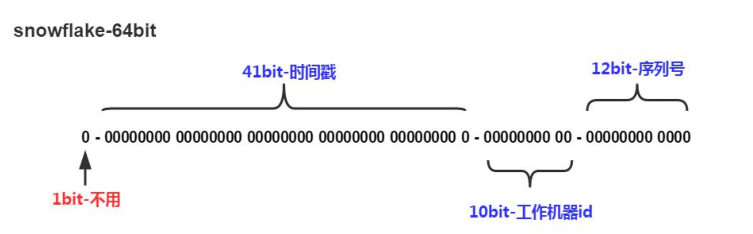
默认情况下41bit的时间戳可以支持该算法使用到2082年,10bit的工作机器id可以
支持1024台机器,序列号支持1毫秒产生4096个自增序列id . SnowFlake的优点是,整
体上按照时间自增排序,并且整个分布式系统内不会产生ID碰撞(由数据中心ID和机器ID
作区分),并且效率较高,经测试,SnowFlake每秒能够产生26万ID左右
package util;import java.lang.management.ManagementFactory;import java.net.InetAddress;import java.net.NetworkInterface;/*** <p>名称:IdWorker.java</p>* <p>描述:分布式自增长ID</p>* <pre>* Twitter的 Snowflake JAVA实现方案* </pre>* 核心代码为其IdWorker这个类实现,其原理结构如下,我分别用一个0表示一位,用—分割开部分的作用:* 1||0---0000000000 0000000000 0000000000 0000000000 0 --- 00000 ---00000 ---000000000000* 在上面的字符串中,第一位为未使用(实际上也可作为long的符号位),接下来的41位为毫秒级时间,* 然后5位datacenter标识位,5位机器ID(并不算标识符,实际是为线程标识),* 然后12位该毫秒内的当前毫秒内的计数,加起来刚好64位,为一个Long型。* 这样的好处是,整体上按照时间自增排序,并且整个分布式系统内不会产生ID碰撞(由datacenter和机器ID作区分),* 并且效率较高,经测试,snowflake每秒能够产生26万ID左右,完全满足需要。* <p>* 64位ID (42(毫秒)+5(机器ID)+5(业务编码)+12(重复累加))** @author Polim*/public class IdWorker {// 时间起始标记点,作为基准,一般取系统的最近时间(一旦确定不能变动)private final static long twepoch = 1288834974657L;// 机器标识位数private final static long workerIdBits = 5L;// 数据中心标识位数private final static long datacenterIdBits = 5L;// 机器ID最大值private final static long maxWorkerId = -1L ^ (-1L << workerIdBits);// 数据中心ID最大值private final static long maxDatacenterId = -1L ^ (-1L << datacenterIdBits);// 毫秒内自增位private final static long sequenceBits = 12L;// 机器ID偏左移12位private final static long workerIdShift = sequenceBits;// 数据中心ID左移17位private final static long datacenterIdShift = sequenceBits + workerIdBits;// 时间毫秒左移22位private final static long timestampLeftShift = sequenceBits + workerIdBits + datacenterIdBits;private final static long sequenceMask = -1L ^ (-1L << sequenceBits);/* 上次生产id时间戳 */private static long lastTimestamp = -1L;// 0,并发控制private long sequence = 0L;private final long workerId;// 数据标识id部分private final long datacenterId;public IdWorker(){this.datacenterId = getDatacenterId(maxDatacenterId);this.workerId = getMaxWorkerId(datacenterId, maxWorkerId);}/*** @param workerId* 工作机器ID* @param datacenterId* 序列号*/public IdWorker(long workerId, long datacenterId) {if (workerId > maxWorkerId || workerId < 0) {throw new IllegalArgumentException(String.format("worker Id can't be greater than %d or less than 0", maxWorkerId));}if (datacenterId > maxDatacenterId || datacenterId < 0) {throw new IllegalArgumentException(String.format("datacenter Id can't be greater than %d or less than 0", maxDatacenterId));}this.workerId = workerId;this.datacenterId = datacenterId;}/*** 获取下一个ID** @return*/public synchronized long nextId() {long timestamp = timeGen();if (timestamp < lastTimestamp) {throw new RuntimeException(String.format("Clock moved backwards. Refusing to generate id for %d milliseconds", lastTimestamp - timestamp));}if (lastTimestamp == timestamp) {// 当前毫秒内,则+1sequence = (sequence + 1) & sequenceMask;if (sequence == 0) {// 当前毫秒内计数满了,则等待下一秒timestamp = tilNextMillis(lastTimestamp);}} else {sequence = 0L;}lastTimestamp = timestamp;// ID偏移组合生成最终的ID,并返回IDlong nextId = ((timestamp - twepoch) << timestampLeftShift)| (datacenterId << datacenterIdShift)| (workerId << workerIdShift) | sequence;return nextId;}private long tilNextMillis(final long lastTimestamp) {long timestamp = this.timeGen();while (timestamp <= lastTimestamp) {timestamp = this.timeGen();}return timestamp;}private long timeGen() {return System.currentTimeMillis();}/*** <p>* 获取 maxWorkerId* </p>*/protected static long getMaxWorkerId(long datacenterId, long maxWorkerId) {StringBuffer mpid = new StringBuffer();mpid.append(datacenterId);String name = ManagementFactory.getRuntimeMXBean().getName();if (!name.isEmpty()) {/** GET jvmPid*/mpid.append(name.split("@")[0]);}/** MAC + PID 的 hashcode 获取16个低位*/return (mpid.toString().hashCode() & 0xffff) % (maxWorkerId + 1);}/*** <p>* 数据标识id部分* </p>*/protected static long getDatacenterId(long maxDatacenterId) {long id = 0L;try {InetAddress ip = InetAddress.getLocalHost();NetworkInterface network = NetworkInterface.getByInetAddress(ip);if (network == null) {id = 1L;} else {byte[] mac = network.getHardwareAddress();id = ((0x000000FF & (long) mac[mac.length - 1])| (0x0000FF00 & (((long) mac[mac.length - 2]) << 8))) >> 6;id = id % (maxDatacenterId + 1);}} catch (Exception e) {System.out.println(" getDatacenterId: " + e.getMessage());}return id;}}

若有收获,就点个赞吧
0 人点赞


