法一:一维dp
- 子串必须连续
- 这种涉及子串的,立马要想到
以 i 结尾

- 以 i 结尾,往左推最多推多长有效?
- i 位置是 (
- i 位置是 )
- 看i - 1 位置的答案, 比如是4, 那么我就看i - 5的字符
- 如果i - 5位置是 ( , 那么 i 位置的答案至少是6, 然后再看 i - 6结尾的答案能不能跟你续上
- 看i - 1 位置的答案, 比如是4, 那么我就看i - 5的字符
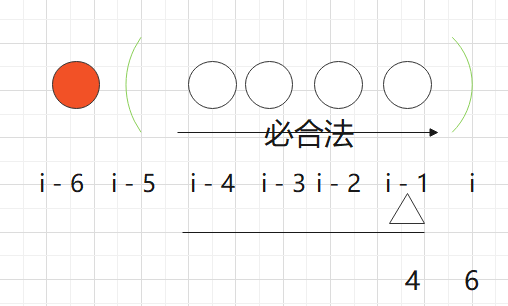

- 往前跳着看一遍 (看5位置)就够了,下面说明为什么
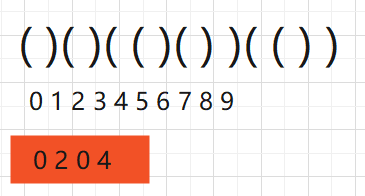
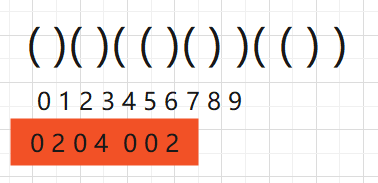
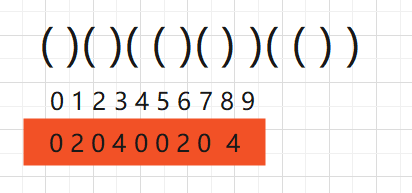
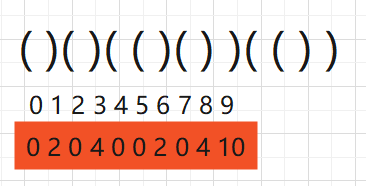
- 现在知道为什么 到 i 位置的时候, 只需要往左边看一遍就行了吧, 因为都是累加过来的
public int longestValidParentheses(String s) {int[] dp = new int[s.length()];int pre = 0;int res = 0;for (int i = 1; i < s.length(); i++) {if (s.charAt(i) == ')') {// pre是当前位置的), 应该找哪个位置的左括号pre = i - dp[i - 1] - 1;if (pre >= 0 && s.charAt(pre) == '(') {dp[i] = dp[i - 1] + 2 + (pre > 0 ? dp[pre - 1] : 0);}}res = Math.max(res, dp[i]);}return res;}
法二:栈
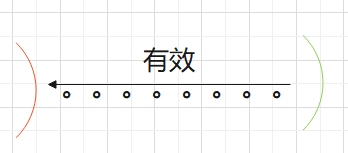 、
、public int longestValidParentheses2(String s) {int max = 0;//栈里存的是下标Stack<Integer> stack = new Stack<>();// 栈底始终要维持一个含义:「最后一个没有被匹配的右括号的下标」stack.push(-1);for (int i = 0; i < s.length(); i++) {if (s.charAt(i) == '(') {stack.push(i);} else { // ')'stack.pop();if (stack.isEmpty()) {stack.push(i);} else {max = Math.max(max, i - stack.peek());}}}return max;}

若有收获,就点个赞吧
0 人点赞


