2.1 多线程的状态及其切换流程分析
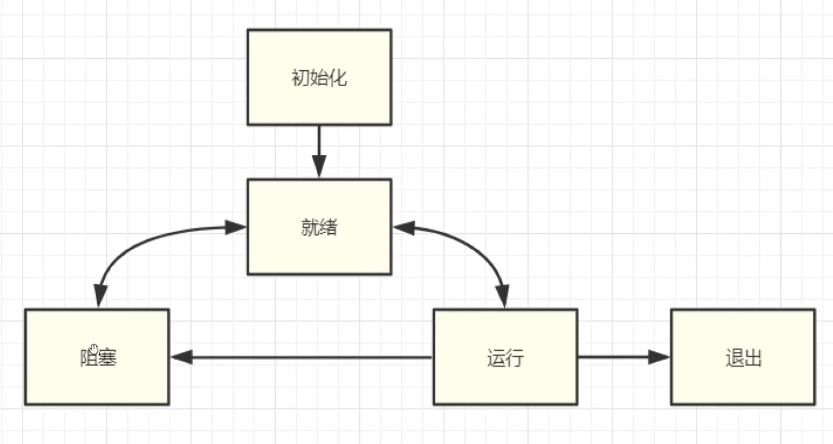
2.1.1 线程状态说明
- 初始化 init:该线程正在被创建
- 就绪 ready:该线程在就绪列表中,等待CPU调度
- 运行 running:该线程正在运行
- 阻塞 blocked:该线程被阻塞挂起。blocked状态包括:pend(锁、事件、信号量等阻塞)、suspend(主动pend)、delay(延迟阻塞)、pendtime(因为锁、事件、信号量时间等超时等待)。
- 退出 exit:该线程运行结束,等待父线 程回收其控制块资源
2.2 竞争状态和临界区介绍_互斥锁mutex代码
- 竞争状态 race condition
多线程同时读写共享数据 - 临界区 critical section
读写共享数据的代码片段
避免竞争状态策略,对临界区进行保护,同时只能有一个线程进入临界区
2.2.1 互斥锁 mutex
using namespace std;
void TestThread() { cout << “==============================” << endl; cout << “test 001” << endl; cout << “test 002” << endl; cout << “test 003” << endl; cout << “==============================” << endl; }
int main(int argc, char* argv[]) { for (int i = 0; i < 3; i++) { thread th(TestThread); th.detach(); }
this_thread::sleep_for(2000ms);return 0;
}
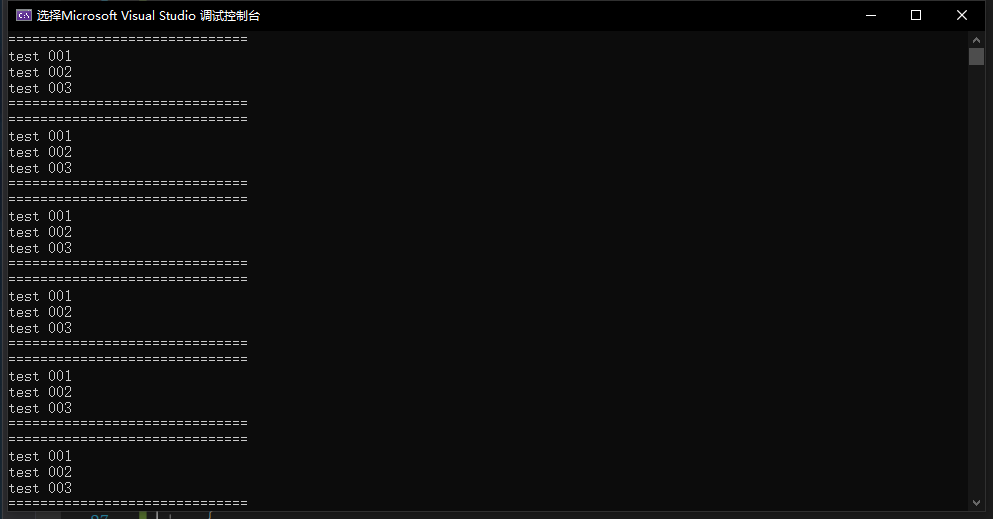
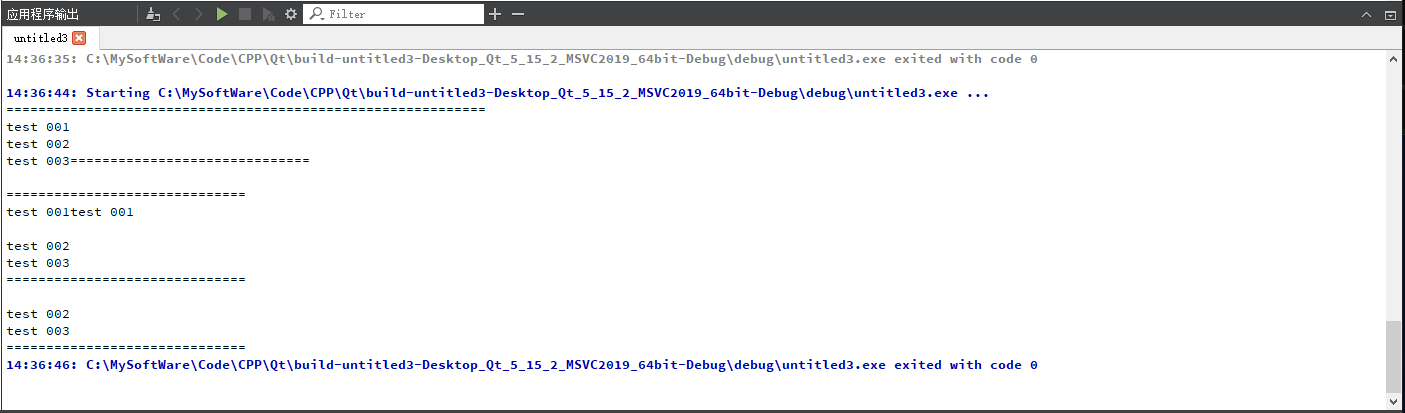- 期望输出一整段内容- lock() 和 unlock()```cpp#include <thread>#include <iostream>#include <string>#include <mutex>using namespace std;static mutex mux;void TestThread(){for (;;) {// 获取锁资源,如果没有则阻塞等待 完整输出mux.lock();cout << "==============================" << endl;cout << "test 001" << endl;cout << "test 002" << endl;cout << "test 003" << endl;cout << "==============================" << endl;mux.unlock();}}int main(int argc, char* argv[]){for (int i = 0; i < 10; i++){thread th(TestThread);th.detach();}this_thread::sleep_for(1000ms);return 0;}
- try_lock() 和 unlock()
#include <iostream>
#include <mutex>
#include <string>
#include <thread>
//Linux -lpthread
using namespace std;
static mutex mux;
void TestThread()
{
for (;;) {
   //获取锁资源,如果没有则阻塞等待
   //mux.lock(); //
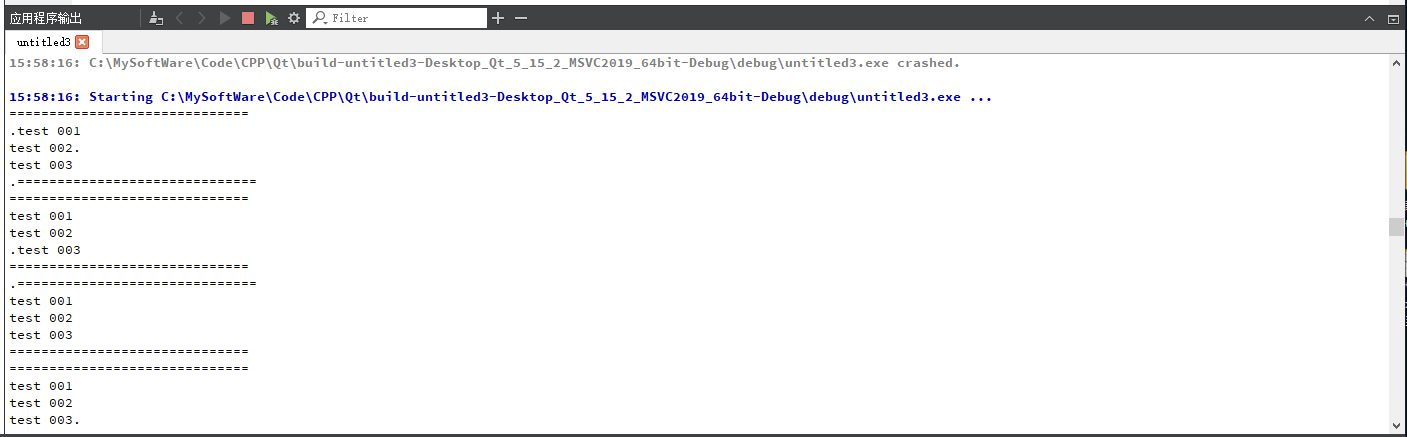
   if (!mux.try_lock()) {
       cout << "." << flush;
       this_thread::sleep_for(100ms);
       continue;
   }
   cout << "==============================" << endl;
   cout << "test 001" << endl;
   cout << "test 002" << endl;
   cout << "test 003" << endl;
   cout << "==============================" << endl;
   mux.unlock();
   this_thread::sleep_for(1000ms);
}
}
int main(int argc, char* argv[])
{
for (int i = 0; i < 10; i++) {
   thread th(TestThread);
   th.detach();
}
getchar();
return 0;
}
2.2.2 互斥锁的坑:线程抢占不到资源
```cppinclude
include
include
using namespace std;
static mutex mux;
void ThreadMainMux(int i) { for (;;) { mux.lock(); cout << i << “ [in]” << endl; this_thread::sleep_for(1000ms); mux.unlock(); } }
int main(int argc, char* argv[]) { for (int i = 0; i < 3; i++) { thread th(ThreadMainMux, i + 1); th.detach(); } getchar(); return 0; }
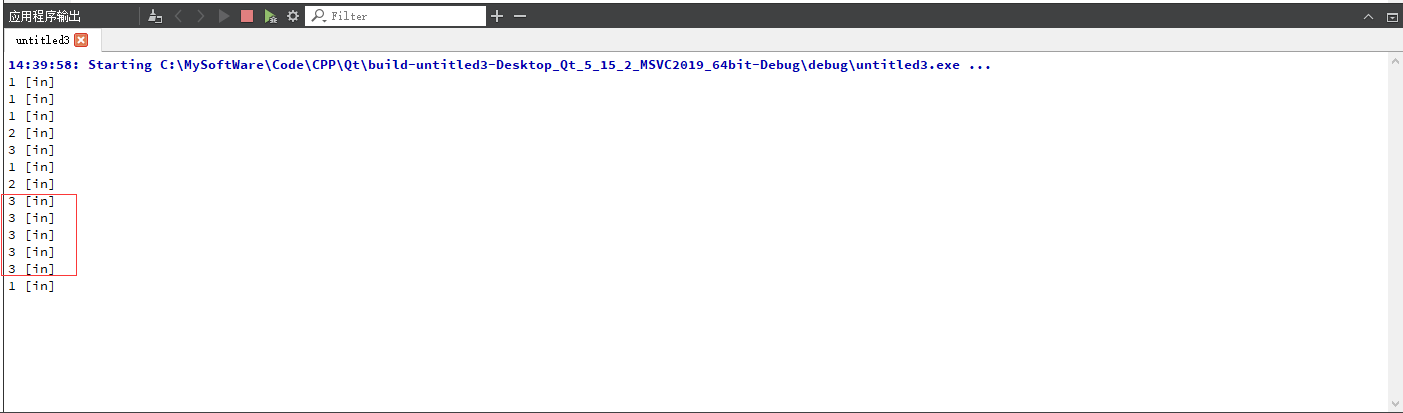<br />这样能看到某个进程占用太长时间,所以是有问题的。故需要在释放锁后等待一会,即:
```cpp
#include <iostream>
#include <mutex>
#include <thread>
using namespace std;
static mutex mux;
void ThreadMainMux(int i) {
for (;;) {
mux.lock();
cout << i << " [in]" << endl;
this_thread::sleep_for(1000ms);
mux.unlock();
}
this_thread::sleep_for(1ms);
}
int main(int argc, char* argv[]) {
for (int i = 0; i < 3; i++) {
thread th(ThreadMainMux, i+1);
th.detach();
}
getchar();
return 0;
}
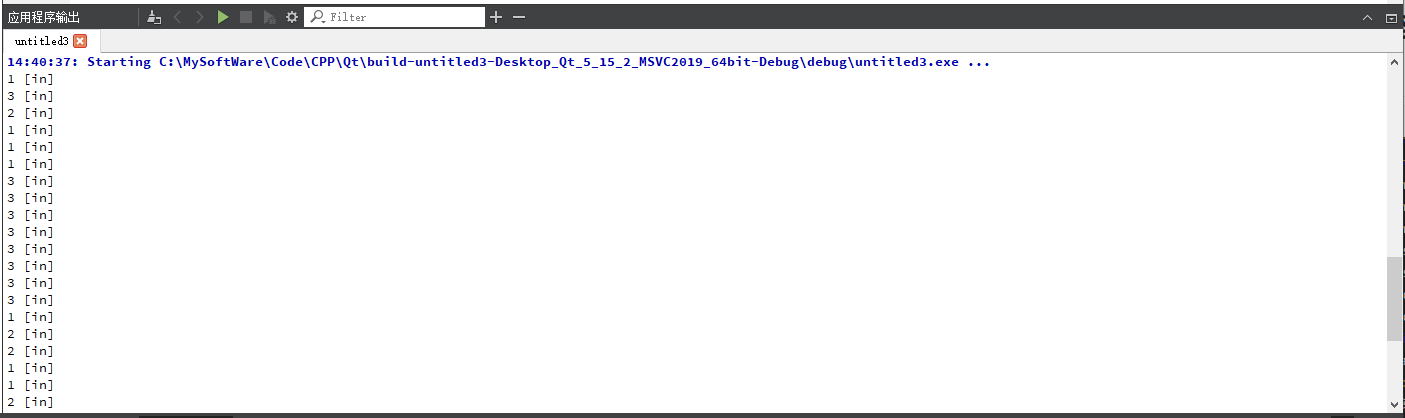
2.3 互斥锁的坑_线程抢占不到资源原因
2.3.1 超时锁应用 timed_mutex 避免长时间死锁
#include <iostream>
#include <mutex>
#include <thread>

using namespace std;

timed_mutex tmux;

void ThreadMainTime(int i)
{
    for (;;) {
        if (!tmux.try_lock_for(chrono::milliseconds(500))) {
            cout << i << "[try_lock_for timeout]" << endl;
            continue;
        }
        cout << i << "[in]" << endl;
        this_thread::sleep_for(2000ms);
        tmux.unlock();
        this_thread::sleep_for(1ms);
    }
}

int main()
{
    for (int i = 0; i < 3; i++) {
        thread th(ThreadMainTime, i + 1);
        th.detach();
    }
    getchar();
    return 0;
}
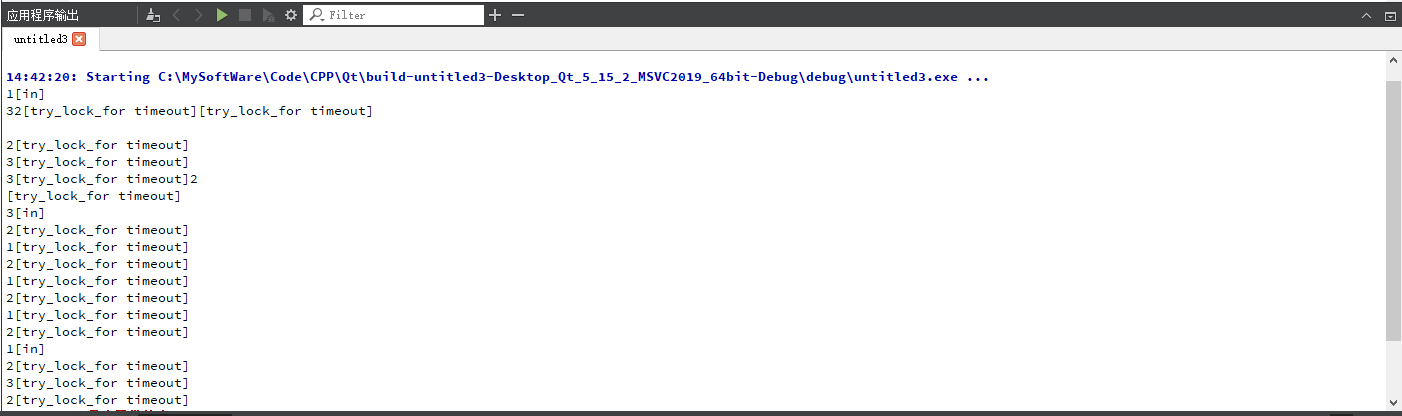
2.4 递归锁(可重入)recursive_mutex和 recursive_timed_mutex用于业务组合
using namespace std;
recursive_mutex rmux;
void Task1() { rmux.lock();
cout << "task1 [in]" << endl;
rmux.unlock();
} void Task2() { rmux.lock();
cout << "task2 [in]" << endl;
rmux.unlock();
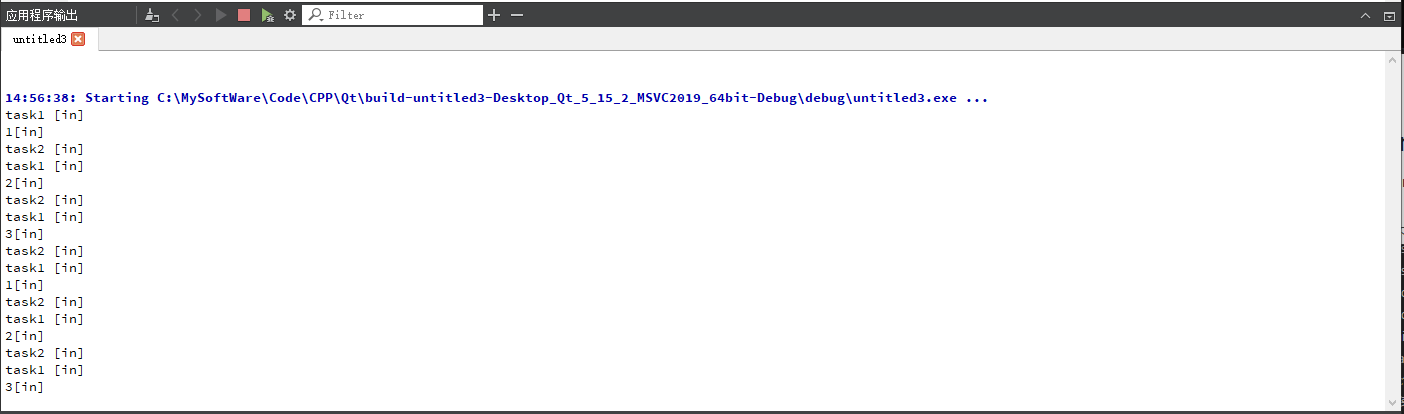
} void TreadMainSec(int i) { for (;;) { rmux.lock(); Task1(); cout << i << “[in]” << endl; this_thread::sleep_for(2000ms); Task2(); rmux.unlock(); this_thread::sleep_for(1ms); } }
int main() { for (int i = 0; i < 3; i++) { thread th(TreadMainSec, i + 1); th.detach(); } getchar(); return 0; }
<a name="1gBms"></a>
# 2.5 共享锁 shared_mutex
- C++14 共享超时互斥锁 shared_timed_mutex
- C++17 共享互斥 shared_mutex
- 如果只有写时需要互斥,读取时不需要,用普通的锁的话如何做
- 按照如下代码,读取时只能有一个线程进入,在很多业务场景中,没有充分利用CPU资源
```cpp
// 读取 同时只能有一个线程读取
mux.lock();
cout << share << endl;
mux.unlock();
// 写入
mux.lock();
shared++;
mux.unlock();
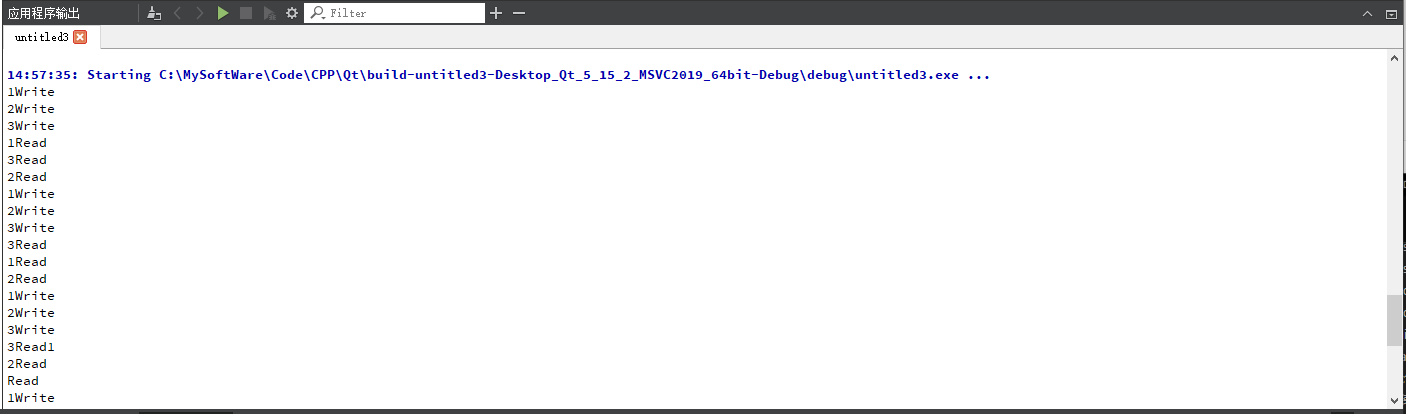
#include <iostream>
#include <mutex>
#include <shared_mutex>
// C++14
// #include <shared_timed_mutex>

using namespace std;

shared_mutex smux;

void ThreadRead(int i)
{
    for (;;) {
        smux.lock_shared();
        cout << i << "Read" << endl;
        this_thread::sleep_for(500ms);
        smux.unlock_shared();
        this_thread::sleep_for(1ms);
    }
}

void ThreadWrite(int i)
{
    for (;;) {
        // smux.lock_shared();
        // 读取数据
        // smux.unlock_shared();
        smux.lock(); // 互斥锁 写入
        cout << i << "Write" << endl;
        this_thread::sleep_for(300ms);
        smux.unlock(); // 互斥锁 写入
        this_thread::sleep_for(1ms); // 防止资源无限被占用
    }
}

int main()
{
    for (int i = 0; i < 3; i++) {
        thread th(ThreadWrite, i + 1);
        th.detach();
    }
    for (int i = 0; i < 3; i++) {
        thread th(ThreadRead, i + 1);
        th.detach();
    }
    getchar();
    return 0;
}

若有收获,就点个赞吧
0 人点赞


