ElasticSearch 中的酒店数据来自于 MySQL 数据库,因此 MySQL 数据发生改变时,ElasticSearch 也必须跟着改变,这个就是 ElasticSearch 与 MySQL 之间的数据同步。
思路分析
常见的数据同步方案有三种:
- 同步调用
- 异步通知
- 监听 binlog
同步调用
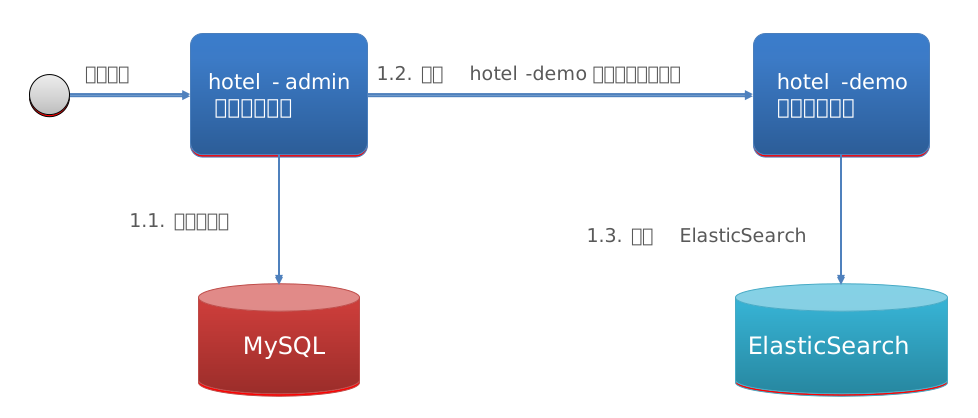
基本步骤如下:
- hotel-demo 对外提供接口,用来修改 ElasticSearch 中的数据
- 酒店管理服务在完成数据库操作后,直接调用 hotel-demo 提供的接口
异步通知
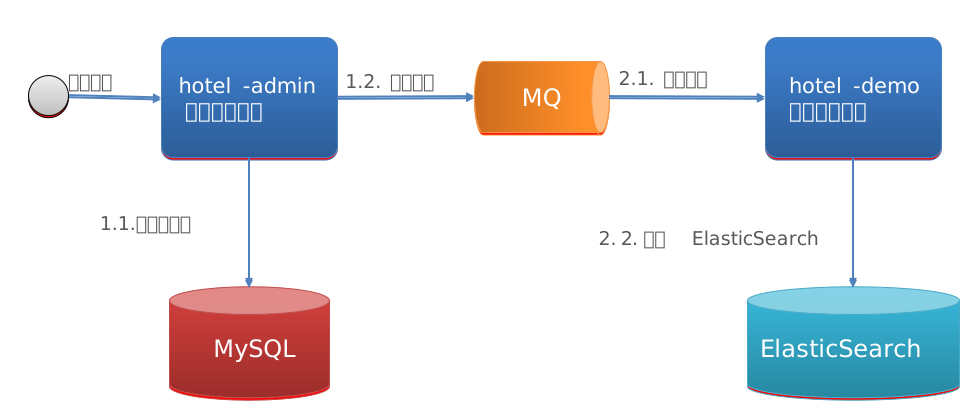
流程如下:
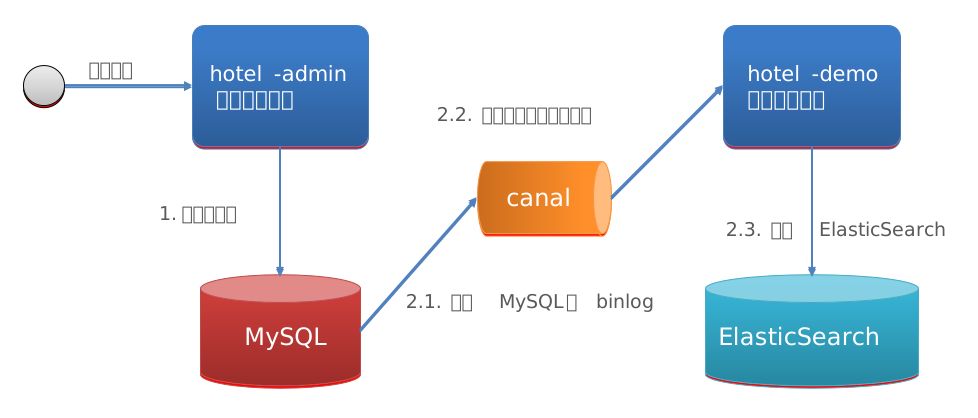
流程如下:
- 给 MySQL 开启 binlog 功能
- MySQL 完成增、删、改操作都会记录在 binlog 中
- hotel-demo 基于 canal 监听 binlog 变化,实时更新 ElasticSearch 中的内容
不同数据同步方案优缺点
方式一:同步调用
- 优点:实现简单,粗暴
- 缺点:业务耦合度高
方式二:异步通知
- 优点:低耦合,实现难度一般
- 缺点:依赖 MQ 的可靠性
方式三:监听 binlog
- 优点:完全解除服务间耦合
- 缺点:开启 binlog 增加数据库负担、实现复杂度高
实现数据同步,基于 MQ 的实现思路
利用提供的 hotel-admin 项目作为酒店管理的微服务。当酒店数据发生增、删、改时,要求对 ElasticSearch 中数据也要完成相同操作。
步骤:
- 导入 hotel-admin 项目,启动并测试酒店数据的 CRUD
- 声明 exchange、queue、RoutingKey
- 在 hotel-admin 中的增、删、改业务中完成消息发送
- 在 hotel-demo 中完成消息监听,并更新 ElasticSearch 中数据
- 启动并测试数据同步功能
导入 demo
代码链接:GitHub
运行后,访问 http://localhost:8099
声明交换机、队列
MQ 结构如图:
引入依赖并修改配置文件
在 hotel-admin、hotel-demo 中引入 rabbitmq 的依赖:
<!--amqp--><dependency><groupId>org.springframework.boot</groupId><artifactId>spring-boot-starter-amqp</artifactId></dependency>
spring:rabbitmq:host: rabbitmqport: 5672username: halopassword: halovirtual-host: /
声明交换机、队列
在 hotel-admin 和 hotel-demo 中的 cn.itcast.hotel.constatnts 包下新建一个类 MqConstants:
public class MqConstants {
    /**
     * 交换机
     */
    public final static String HOTEL_EXCHANGE = "hotel.topic";
    /**
     * 监听新增和修改的队列
     */
    public final static String HOTEL_INSERT_QUEUE = "hotel.insert.queue";
    /**
     * 监听删除的队列
     */
    public final static String HOTEL_DELETE_QUEUE = "hotel.delete.queue";
    /**
     * 新增或修改的RoutingKey
     */
    public final static String HOTEL_INSERT_KEY = "hotel.insert";
    /**
     * 删除的RoutingKey
     */
    public final static String HOTEL_DELETE_KEY = "hotel.delete";
}
在 hotel-demo 中,定义配置类,声明队列、交换机:
@Configuration
public class MqConfig {
    @Bean
    public TopicExchange topicExchange(){
        return new TopicExchange(MqConstants.HOTEL_EXCHANGE, true, false);
    }

    @Bean
    public Queue insertQueue(){
        return new Queue(MqConstants.HOTEL_INSERT_QUEUE, true);
    }

    @Bean
    public Queue deleteQueue(){
        return new Queue(MqConstants.HOTEL_DELETE_QUEUE, true);
    }

    @Bean
    public Binding insertQueueBinding(){
        return BindingBuilder.bind(insertQueue()).to(topicExchange()).with(MqConstants.HOTEL_INSERT_KEY);
    }

    @Bean
    public Binding deleteQueueBinding(){
        return BindingBuilder.bind(deleteQueue()).to(topicExchange()).with(MqConstants.HOTEL_DELETE_KEY);
    }
}
发送 MQ 消息
在 hotel-admin 中的增、删、改业务中分别发送 MQ 消息:
@Autowired
private RabbitTemplate rabbitTemplate;

@PostMapping
public void saveHotel(@RequestBody Hotel hotel){
    hotelService.save(hotel);
    rabbitTemplate.convertAndSend(MqConstants.HOTEL_EXCHANGE,MqConstants.HOTEL_INSERT_KEY,hotel.getId());
}

@PutMapping()
public void updateById(@RequestBody Hotel hotel){
    if (hotel.getId() == null) {
        throw new InvalidParameterException("id不能为空");
    }
    hotelService.updateById(hotel);
    rabbitTemplate.convertAndSend(MqConstants.HOTEL_EXCHANGE,MqConstants.HOTEL_INSERT_KEY,hotel.getId());
}

@DeleteMapping("/{id}")
public void deleteById(@PathVariable("id") Long id) {
    hotelService.removeById(id);
    rabbitTemplate.convertAndSend(MqConstants.HOTEL_EXCHANGE,MqConstants.HOTEL_DELETE_KEY,id);
}
接收 MQ 消息
hotel-demo 接收到 MQ 消息要做的事情包括:
- 新增消息:根据传递的 hotel 的 id 查询 hotel 信息,然后新增一条数据到索引库
- 删除消息:根据传递的 hotel 的 id 删除索引库中的一条数据
首先在 hotel-demo 的 cn.itcast.hotel.service 包下的 IHotelService 中新增新增、删除业务
void deleteById(Long id);

void insertById(Long id);
给 hotel-demo 中的 cn.itcast.hotel.service.impl 包下的 HotelService 中实现业务:
@Override
public void deleteById(Long id) {
    try {
        // 1.准备Request
        DeleteRequest request = new DeleteRequest("hotel", id.toString());
        // 2.发送请求
        client.delete(request, RequestOptions.DEFAULT);
    } catch (IOException e) {
        throw new RuntimeException(e);
    }
}

@Override
public void insertById(Long id) {
    try {
        // 0.根据id查询酒店数据
        Hotel hotel = getById(id);
        // 转换为文档类型
        HotelDoc hotelDoc = new HotelDoc(hotel);

        // 1.准备Request对象
        IndexRequest request = new IndexRequest("hotel").id(hotel.getId().toString());
        // 2.准备Json文档
        request.source(JSON.toJSONString(hotelDoc), XContentType.JSON);
        // 3.发送请求
        client.index(request, RequestOptions.DEFAULT);
    } catch (IOException e) {
        throw new RuntimeException(e);
    }
}
编写监听器,在 hotel-demo 中的 cn.itcast.hotel.mq 包新增一个类:
@Component
public class HotelListener {

    @Autowired
    private IHotelService hotelService;

    /**
     * 监听酒店新增或修改的业务
     * @param id 酒店id
     */
    @RabbitListener(queues = MqConstants.HOTEL_INSERT_QUEUE)
    public void listenHotelInsertOrUpdate(Long id){
        hotelService.insertById(id);
    }

    /**
     * 监听酒店删除的业务
     * @param id 酒店id
     */
    @RabbitListener(queues = MqConstants.HOTEL_DELETE_QUEUE)
    public void listenHotelDelete(Long id){
        hotelService.deleteById(id);
    }
}

若有收获,就点个赞吧
0 人点赞


