概述
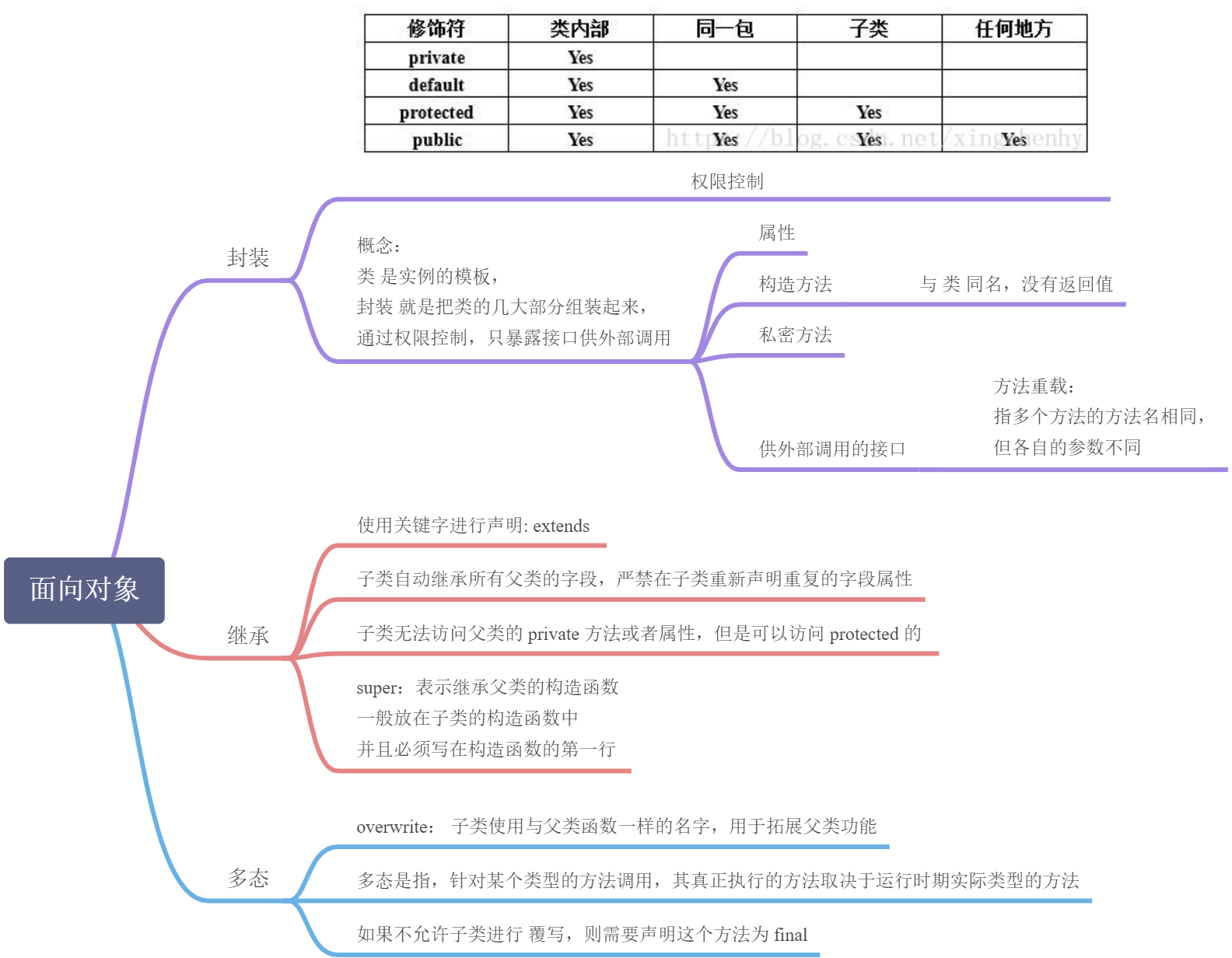
java 是一门面向对象的语言,面向对象编程,实际上就是把现实世界映射到计算机模型的一直编程方法
一个个人认为比较形象的比喻就是 例如古代的印刷技术, 把一个个字先刻成模板,这个模板在Java 中称之为 类
而印刷出来的一个个字, 则称之为 实例
下面创建一个 Person 类
package com.ehi.basic;/** Person class** @author xxx on 2020/6/4 08:28*/public class Person {// 定义一个类的属性private String name;private int age;// 类的构造函数,定义这个类要如何构造出实例// 每个类都有构造函数,如果没有明确写出来,则系统默认一个空的构造函数public Person(String name, int age){this.name = name;this.age = age;}public void eat(){System.out.println("人会吃饭");}public static void main(String[] args){Person p = new Person("john",18);p.eat();}}
面向对象编程主要有三大特性:
- 封装
- 继承
- 多态
封装
概念:
类 是实例的模板, 封装 就是把类的几大部分组装起来, 通过权限控制,只暴露接口供外部调用
属性
首先看类的属性,属性在类中一般会被定义为私密,通过下面的关键字,可以制定不同的权限控制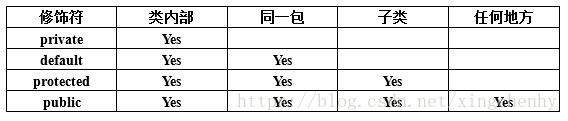
构造方法
接下来是 构造方法,一个类的构造方法可以不写,也可以写一个或者多个
public class ObjectTest {public static void main(String[] args) {People p = new People("xiaoming");People p2 = new People(10);People p3 = new People();}}class People{String name;int age;public People(String name){this.name=name;System.out.println("这是一个有名字的人 "+ this.name);}public People(){System.out.println("这是一个没有名字没有年纪的人");}public People(int age){this.age=age;System.out.println("这是一个有年纪的人"+this.age);}}
上面的写法表示方法重载,也就是说,名字相同,参数的不同,就称之为方法的重载,方法的重载不仅可以用在构造函数,还可以用在普通函数,一样的用法。
继承
继承一般使用 extends 来表示继承
/*
 * @Description: This is the sample for object
 * @author: johnw;
 * @Created: 4:49 PM;
 */

public class ObjectTest {
    public static void main(String[] args) {

        Student s = new Student();
    }
}

class People{
    String name;
    int age;
    public People(String name){
        this.name=name;
        System.out.println("这是一个有名字的人 "+ this.name);
    }
    public People(){
        System.out.println("这是一个没有名字没有年纪的人");
    }
    public People(int age){
        this.age=age;
        System.out.println("这是一个有年纪的人"+this.age);
    }
}

class Student extends People {}
如果你没有重写构造函数,那么默认会使用父类的构造函数
但是如果你有使用父类的构造函数,但是又想在这个基础上添加一些自己的东西,那么就可以用到 super
class Student extends People {
    public Student (){
        super();
        System.out.println("新建一个学生");
    }
}

public class ObjectTest {

    public static void main(String[] args) {
        Student s = new Student();
        /* output
        这是一个没有名字没有年纪的人
        新建一个学生
        */

    }
}
多态
多态是指,针对某个类型的方法调用,其真正执行的方法取决于运行时期实际类型的方法
这句话可以理解为,声明变量的时候,可以声明父类类型,但是实际运行的时候使用子类构造实例。
假设这么一个例子,你要你创建的实例说出自己的名字,一个是学生,一个是老师
如果要实现这样的功能,那么就需要两个函数
public static void sayName(Student s){
    s.getName();
}
还有一个给老师的
public static void sayName(Teacher t){
    t.getName();
}
但是这么写略显复杂,有了多态,我们就不需要这么复杂的写代码
见下面代码
class People{
    private String name;
    private int age;

    public People(){
        System.out.println("这是一个没有名字没有年纪的人");
    }

    public void getName(){
        System.out.println("我是人,但是可能不是学生,是老师");
    }
}

class Student extends People {
    public void getName(){
        System.out.println("我是学生");
    }
}

public class ObjectTest {
    public static void sayName(People p){
        p.getName();
    }
    public static void main(String[] args) {
        Student s = new Student();
        sayName(s); // 我是学生
        Teacher t = new Teacher();
        sayName(t);
    }
}

若有收获,就点个赞吧
0 人点赞


