Most people accept that we teach children how to read and write, and that mathematics is at the core of the curriculum. But do you have such a clear understanding of why we teach computing, what should be taught, and where it sits in the curriculum?
绝大部分人认为教孩子读写能力是有必要的,数学更是课程的核心。但是为什么我们要教计算课程?计算课程应该教什么?在儿童的课程中又出于何种地位?
It is useful to step briefly outside of the world of education to provide some context. A term that is widely used now is ‘digital citizen’. The term relates to the ability of an individual to use information technology effectively for a variety of purposes. This could include connecting with society, shopping, managing finances, and interacting with government. These are skills that many of us now take for granted, but they all have to be learnt. Being a functional digital citizen means understanding the implications of content, contact, and conduct. From a child’s perspective, this is what that could look like:
Common Sense Media defines digital citizenship as “ thinking critically, behaving safely, and participating responsibly in the digital world” . 常识媒体将数字公民定义为” 批判性思维、安全性行为和负责任地融入数字世界。”
暂时从教育领域跳出来提供一些背景信息有助于我们的讨论。“数字公民”这个术语已经广泛使用。这个术语指的是个体出于不同的目的有效的使用信息技术的能力。这包括社交、购物、管理财务以及与政府打交道。这些技能中我们认为是理所当然需要的,但是这些技能都是经过学习后才掌握的。成为一名有用的数字公民需要理解content, contact, and conduct的含义。从孩子的视角看上去是这样的:
- Content: understanding what you can and cannot share; what are the positive benefits of sharing content with other people?
- Contact: knowing who you interact with; do you know who you are in contact with, and can you adapt your behaviour accordingly?
- Conduct: being aware of how you interact with other people, including the language you use; how can you be a positive digital role model?
- 内容:理解什么可以分享和什么不能分享;与其他人分享内容的好处是什么?
- 沟通:知道自己跟谁沟通;你知道你正在跟谁沟通么,你可以根据沟通对象不同调整自己的行为么?(倾城美女实为抠脚大汉;也许对面跟你聊天的是一条狗也说不定)
- 行为:意识到你跟其他人沟通的方式,包含沟通所用的语言;如何成为一个正面积极的数字角色模型?(正能量)
所有人都有成为数字公民的权利 Digital citizenship for all
Access to technology, whether it is in the home or at school, is required for children to learn how to become functioning digital citizens. The Covid-19 crisis has highlighted a very real digital divide. A recent report by the Sutton Trust explained some of the issues many children face accessing information technology in the UK. They found that there is a link between deprivation and access to devices:
只有成为合格的数字公民,孩子们才能在家里或者学校使用技术。新冠病毒向我们展示了一个显著的数字鸿沟。Sutton Trust 最近的报告显示,英国的许多孩子使用信息技术时存在许多问题,研究人员发现禁止使用设备和使用设备之间存在一定的关联。“In the most deprived schools, 15% of teachers report that more than a third of their students would not have adequate access to an electronic device for learning from home, compared to only 2% in the most affluent state schools.” “在禁止电子设备最严格的学习,15% 的教师表示大约有三分之一的学生不能有效的利用电子设备在家学习,而在允许使用电子设备的学校,这一比例仅为 2%”
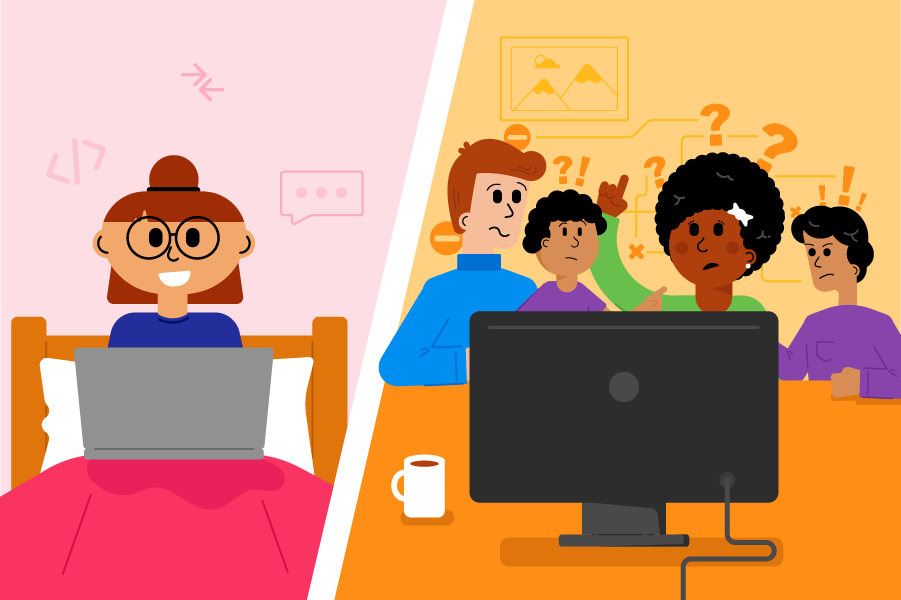
Those who do have access to technology will have more experience of digital devices and communicating on them, but they will not necessarily be using them responsibly. They may be able to access and share content, but is it age-appropriate? Do they know what they should and should not share with their friends? Do they always know who they are in contact with? Do they know where to go if they need help? Are they able to go beyond consuming content to something more creative?
哪些能够接触技术的孩子有更多使用电子设备的经验和用电子设备交流的经验,但这并不意味着这些孩子能够负责的使用技术。也许他们能够访问并分享内容,但是是否适合他们的年龄?他们知道哪些东西应该、哪些不应该和自己的朋友分享么?他们真的知道自己在跟谁联系么?在必要的时候,他们知道跟谁求助么?他们能否不简单的消遣而做一些有有创意的事情么?
Furthermore, being able to access content on a tablet or smartphone does not mean children will be able to adapt to the technology they are likely to encounter in schools. I recently gave children in an early years setting (age 4 to 5) an opportunity to use an iPad. Without any instruction or guidance, the vast majority were able to unlock the device and create a drawing by launching a painting app. Yet the same group were hesitant when it came to using a desktop computer; many had not seen or used a mouse or keyboard before, and assumed that the screen would respond to touch. Even the most basic skills need teaching if the technology is new and unfamiliar.
进一步说,能够利用平板和智能手机访问内容并不意味着孩子能使用学校里遇到的技术(吃鸡的孩子不会打字)。我最近给低龄(4 到 5 岁)孩子使用 iPad 的机会。尽管没有任何指导和说明,大部分都能解锁设备并打开绘图应用画图。但是同样孩子用电脑的时候就抓瞎了,很多孩子甚至从没见过鼠标或者键盘,并且会以为台式机的屏幕可以触摸。即便是最基本的技能,也需要教,如果涉及到了新的或者不熟悉的技术(小学生的打字简直惨不忍睹,没有金山打字通的话可能更惨吧,好在现在的高中生好多了,但是你流畅的用手机打字不意味着你个流畅用键盘打字)。
教数字公民身份Teaching digital citizenship
To become digital citizens, children need to have the opportunity to access a range of technology and move beyond consumption alone. Schools have a responsibility to create digital citizens by offering children opportunities to be creative, whether that involves building on their prior experiences or giving them access to technology for the first time. Teachers should avoid assuming that because many children have access to devices outside of school they will be using them to their full potential.
为了成为数字公民,孩子们需要有机会广泛的接触各种技术,并且不仅仅用技术娱乐、消遣、打发时间。学校有责任提供展现创造性的机会,无论是利用孩子们已有经验还是接触新技术。
课程中的数字公民 Digital citizenship in the curriculum
反思本节课读到的内容,用下面的问题提问:
Reflect on what you have read in this stage, using the questions below as prompts:
- Where do you think computing fits within the curriculum? What are the wider implications beyond computing?
- What technology do you have available in schools that you have knowledge of?
- What opportunities do learners need to become creators?
- How could you adapt activities to promote digital citizenship?
Discuss your answers to these questions to the comments section below.
- 你认为从哪个角度看,计算适合课程?计算背后的含义是什么?
- 学校里可用的技术中,哪些你已经具备必要知识的?
- 学习者想要成为创造者需要哪些机会?
- 如何调整教学活动来培养数字公民?如何让自己成为合格的数字公民?
- 不能够自如的利用搜索引擎检索信息或者基本问题答案的人是合格的数字公民么?

若有收获,就点个赞吧
0 人点赞


