private继承
1、子类对象无法转换为父类对象
2、意味着“根据某物实现出”,Base成分在Derived对象里都是private访问属性,因为Derived对象为了采用Base已经具备的特性,Base成分是Derived对象实现的细枝末节,Derived对象根据Base对象实现出来。
3、继承自父类的每一样东西到了子类都是private成分,Base成分都是实现细节而已,所以private继承意味着只有实现被继承,而不是接口被继承
4、
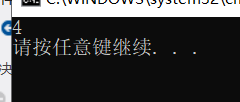
#include<iostream>class Base {public:Base(int x) : x(x) {}protected:int x;};class Derived : private Base {public:Derived(int x) : Base(x) {}void func1() {std::cout << x << std::endl;}};int main() {Derived d(4);d.func1();return 0;}
private继承的Derived类可以访问Base类的protected成员
5、private继承也可以重新定义virtual函数
版本一 private继承
class Timer {public://每调用Widget的成员函数,就调用一次onTick,记录调用成员函数的次数virtual void onTick() const { …… }};class Widget : private Timer { …… };
为什么不是public继承?因为Widget并不是Timer,容易造成接口被误用
版本二 复合
class Timer {public:virtual void onTick() const { …… }};class Widget {private:Timer* wt;};
版本二优点
1、降低编译依存性:版本一Widget被编译时,必须能看见Timer的定义,即#include “Timer.h”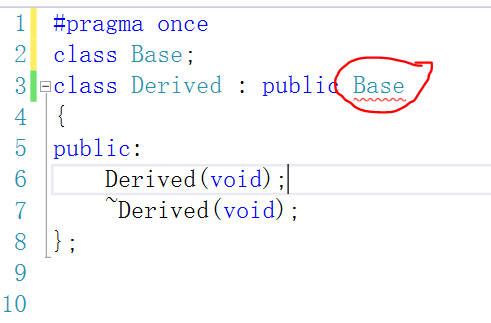
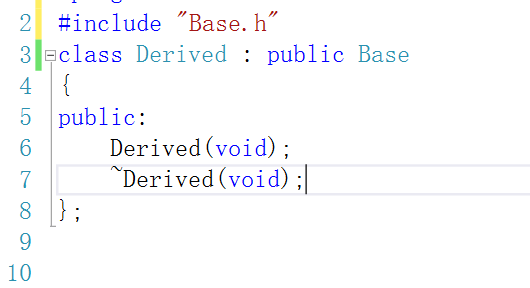
必须看见Base的定义
相反版本二Widget需要WidgetTimer对象时,如果是指针的话,只需要class WidgetTimer声明即可
2、可以阻止Widget派生类重新定义virtual函数
如果想阻止Widget的派生类不重新定义virtual void onTick()函数,版本一不可以,哪怕是private继承,哪怕不调用这个函数
版本二可以做到,因为派生类无法取到Timer对象
版本一优点 - EBO
class Empty {};class Derived : private Empty {public:int x;};
sizeof(Derived) = 4;
class Empty {}; //sizeof(Empty) = 1class Derived {public:Empty e;int x;};
sizeof(Derived) > 4
1、EBO只在单一继承里存在,多重继承不行
2、Empty Class并不是单纯的Empty,含有typedef enum static non-virtual

若有收获,就点个赞吧
0 人点赞


