理论基础
代码实践
代码下载
git clone https://github.com/qqwweee/keras-yolo3.git
权重下载
wget https://pjreddie.com/media/files/yolov3.weights
环境搭建
创建虚拟环境
conda create -n keras_yolo python=3.5.2
依赖库安装
conda install tensorflow-gpu==1.10conda install keras==2.1.5conda install pillow==4.2.1conda install matplotlib==2.0.2
权重格式转换
python convert.py yolov3.cfg yolov3.weights model_data/yolo.h5
==================================================================================================Total params: 62,001,757Trainable params: 61,949,149Non-trainable params: 52,608__________________________________________________________________________________________________NoneSaved Keras model to model_data/yolo.h5Read 62001757 of 62001757.0 from Darknet weights.
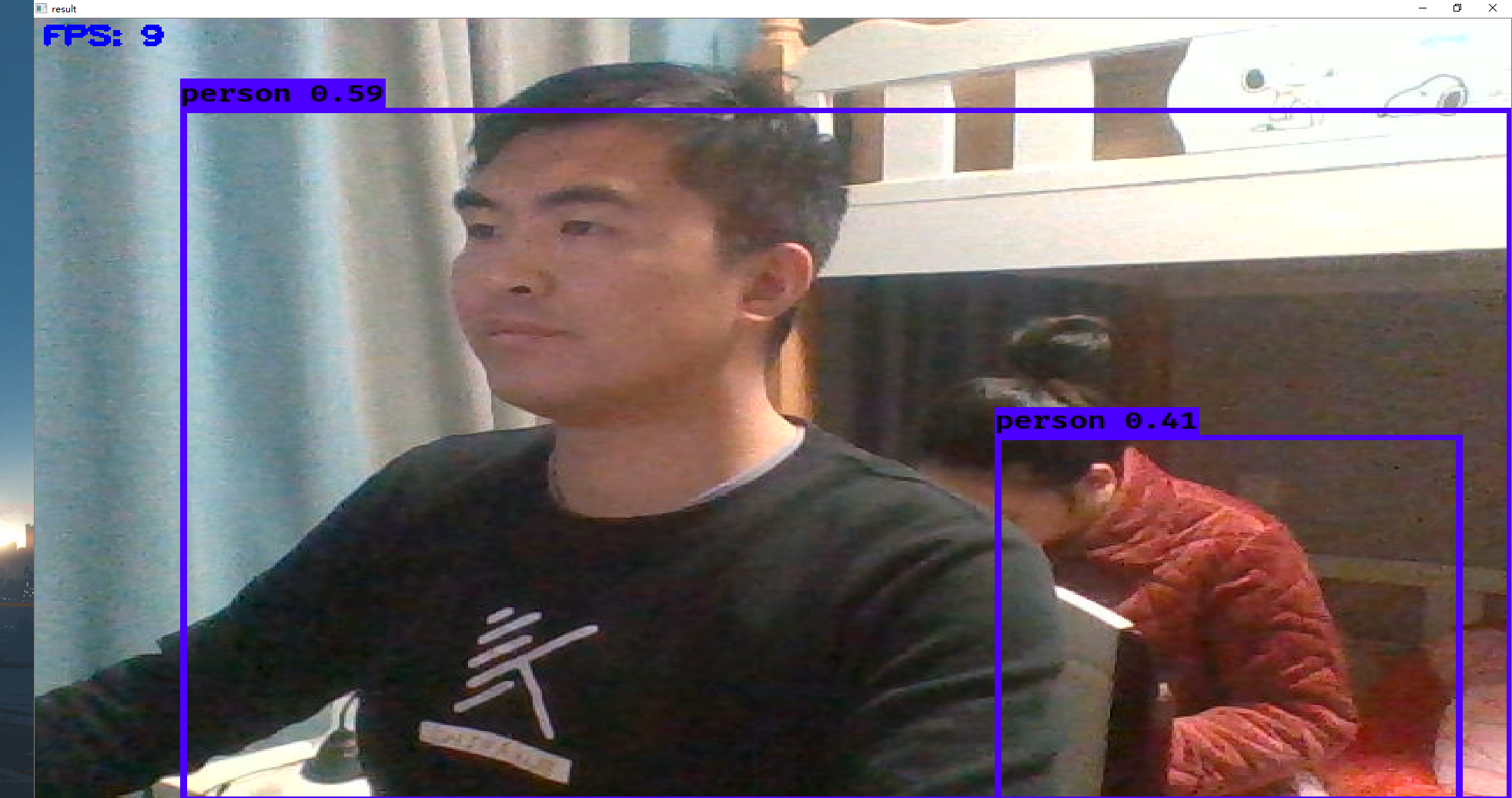
测试

源码解读
convert.py
import argparseimport configparserimport ioimport osfrom collections import defaultdictimport numpy as npfrom keras import backend as Kfrom keras.layers import (Conv2D, Input, ZeroPadding2D, Add,UpSampling2D, MaxPooling2D, Concatenate)from keras.layers.advanced_activations import LeakyReLUfrom keras.layers.normalization import BatchNormalizationfrom keras.models import Modelfrom keras.regularizers import l2from keras.utils.vis_utils import plot_model as plot# python convert.py yolov3.cfg yolov3.weights model_data/yolo.h5parser = argparse.ArgumentParser(description='Darknet To Keras Converter.')parser.add_argument('config_path', help='Path to Darknet cfg file.')parser.add_argument('weights_path', help='Path to Darknet weights file.')parser.add_argument('output_path', help='Path to output Keras model file.')parser.add_argument('-p','--plot_model',help='Plot generated Keras model and save as image.',action='store_true')parser.add_argument('-w','--weights_only',help='Save as Keras weights file instead of model file.',action='store_true')def unique_config_sections(config_file):"""Convert all config sections to have unique names.Adds unique suffixes to config sections for compability with configparser."""# key不存在默认返回0section_counters = defaultdict(int)output_stream = io.StringIO()with open(config_file) as fin:for line in fin:if line.startswith('['):# 获取section的名字section = line.strip().strip('[]')# 添加section到字典生成独一无二的节点名_section = section + '_' + str(section_counters[section])# 字典值+1section_counters[section] += 1# 替换section名字line = line.replace(section, _section)# 将所有的内容读入到文件流中output_stream.write(line)output_stream.seek(0)return output_stream# %%def _main(args):# 展开路径缩写,用在Linux上config_path = os.path.expanduser(args.config_path)weights_path = os.path.expanduser(args.weights_path)# 判断cfg文件后缀知否合法assert config_path.endswith('.cfg'), '{} is not a .cfg file'.format(config_path)# 判断weights文件后缀是否合法assert weights_path.endswith('.weights'), '{} is not a .weights file'.format(weights_path)# 获得输出路径output_path = os.path.expanduser(args.output_path)# 判断输出文件的格式是否合法assert output_path.endswith('.h5'), 'output path {} is not a .h5 file'.format(output_path)output_root = os.path.splitext(output_path)[0]# Load weights and config.print('Loading weights.')# 输出文件的文件句柄weights_file = open(weights_path, 'rb')# yolo权重文件的版本号major, minor, revision = np.ndarray(shape=(3,), dtype='int32', buffer=weights_file.read(12))if (major * 10 + minor) >= 2 and major < 1000 and minor < 1000:seen = np.ndarray(shape=(1,), dtype='int64', buffer=weights_file.read(8))else:seen = np.ndarray(shape=(1,), dtype='int32', buffer=weights_file.read(4))print('Weights Header: ', major, minor, revision, seen)print('Parsing Darknet config.')unique_config_file = unique_config_sections(config_path)cfg_parser = configparser.ConfigParser()cfg_parser.read_file(unique_config_file)# 定义输入层 3通道print('Creating Keras model.')input_layer = Input(shape=(None, None, 3))prev_layer = input_layerall_layers = []# 读取decay# 权重衰减正则项,防止过拟合.每一次学习的过程中,将学习后的参数按照固定比例进行降低,为了防止过拟合,decay参数越大对过拟合的抑制能力越强。weight_decay = float(cfg_parser['net_0']['decay']) if 'net_0' in cfg_parser.sections() else 5e-4count = 0out_index = []for section in cfg_parser.sections():print('Parsing section {}'.format(section))# 处理卷积层if section.startswith('convolutional'):# 输出特征图的个数filters = int(cfg_parser[section]['filters'])# 卷积核尺寸size = int(cfg_parser[section]['size'])# 做卷积运算的步长stride = int(cfg_parser[section]['stride'])# 如果pad为0,padding由 padding参数指定;如果pad为1,padding大小为size/2,padding应该是对输入图像左边缘拓展的像素数量pad = int(cfg_parser[section]['pad'])# 激活函数的类型activation = cfg_parser[section]['activation']# 是否做BNbatch_normalize = 'batch_normalize' in cfg_parser[section]padding = 'same' if pad == 1 and stride == 1 else 'valid'# Setting weights.# Darknet serializes convolutional weights as:# [bias/beta, [gamma, mean, variance], conv_weights]# 获取上一层的shapeprev_layer_shape = K.int_shape(prev_layer)# 获取权重尺寸weights_shape = (size, size, prev_layer_shape[-1], filters)# darknet_w_shape的尺寸darknet_w_shape = (filters, weights_shape[2], size, size)# 权重的参数个数weights_size = np.product(weights_shape)print('conv2d', 'bn' if batch_normalize else ' ', activation, weights_shape)# 定义偏置参数conv_bias = np.ndarray(shape=(filters,),dtype='float32',buffer=weights_file.read(filters * 4))count += filtersif batch_normalize:bn_weights = np.ndarray(shape=(3, filters),dtype='float32',buffer=weights_file.read(filters * 12))count += 3 * filtersbn_weight_list = [bn_weights[0], # scale gammaconv_bias, # shift betabn_weights[1], # running meanbn_weights[2] # running var]# 卷积权重conv_weights = np.ndarray(shape=darknet_w_shape,dtype='float32',buffer=weights_file.read(weights_size * 4))count += weights_size# DarkNet conv_weights are serialized Caffe-style:# (out_dim, in_dim, height, width)# We would like to set these to Tensorflow order:# (height, width, in_dim, out_dim)# 将 Caffe-style 转为 Tensorflow orderconv_weights = np.transpose(conv_weights, [2, 3, 1, 0])conv_weights = [conv_weights] if batch_normalize else [conv_weights, conv_bias]# Handle activation.act_fn = Noneif activation == 'leaky':pass # Add advanced activation later.elif activation != 'linear':raise ValueError('Unknown activation function `{}` in section {}'.format(activation, section))# Create Conv2D layerif stride > 1:# Darknet uses left and top padding instead of 'same' modeprev_layer = ZeroPadding2D(((1, 0), (1, 0)))(prev_layer)conv_layer = (Conv2D(filters, (size, size),strides=(stride, stride),kernel_regularizer=l2(weight_decay),use_bias=not batch_normalize,weights=conv_weights,activation=act_fn,padding=padding))(prev_layer)if batch_normalize:conv_layer = (BatchNormalization(weights=bn_weight_list))(conv_layer)prev_layer = conv_layerif activation == 'linear':all_layers.append(prev_layer)elif activation == 'leaky':act_layer = LeakyReLU(alpha=0.1)(prev_layer)prev_layer = act_layerall_layers.append(act_layer)elif section.startswith('route'):ids = [int(i) for i in cfg_parser[section]['layers'].split(',')]layers = [all_layers[i] for i in ids]if len(layers) > 1:print('Concatenating route layers:', layers)concatenate_layer = Concatenate()(layers)all_layers.append(concatenate_layer)prev_layer = concatenate_layerelse:skip_layer = layers[0] # only one layer to routeall_layers.append(skip_layer)prev_layer = skip_layerelif section.startswith('maxpool'):size = int(cfg_parser[section]['size'])stride = int(cfg_parser[section]['stride'])all_layers.append(MaxPooling2D(pool_size=(size, size),strides=(stride, stride),padding='same')(prev_layer))prev_layer = all_layers[-1]elif section.startswith('shortcut'):index = int(cfg_parser[section]['from'])activation = cfg_parser[section]['activation']assert activation == 'linear', 'Only linear activation supported.'all_layers.append(Add()([all_layers[index], prev_layer]))prev_layer = all_layers[-1]elif section.startswith('upsample'):# 上采样stride = int(cfg_parser[section]['stride'])assert stride == 2, 'Only stride=2 supported.'all_layers.append(UpSampling2D(stride)(prev_layer))prev_layer = all_layers[-1]elif section.startswith('yolo'):out_index.append(len(all_layers) - 1)all_layers.append(None)prev_layer = all_layers[-1]elif section.startswith('net'):# 忽略netpasselse:# 未知section抛出异常raise ValueError('Unsupported section header type: {}'.format(section))# Create and save model.if len(out_index) == 0:out_index.append(len(all_layers) - 1)# 新建Model模型model = Model(inputs=input_layer, outputs=[all_layers[i] for i in out_index])# 输出网络结构与超参数print(model.summary())# 保存参数if args.weights_only:model.save_weights('{}'.format(output_path))print('Saved Keras weights to {}'.format(output_path))else:model.save('{}'.format(output_path))print('Saved Keras model to {}'.format(output_path))# Check to see if all weights have been read.remaining_weights = len(weights_file.read()) / 4weights_file.close()print('Read {} of {} from Darknet weights.'.format(count, count + remaining_weights))if remaining_weights > 0:print('Warning: {} unused weights'.format(remaining_weights))# 网络模型输出图片if args.plot_model:plot(model, to_file='{}.png'.format(output_root), show_shapes=True)print('Saved model plot to {}.png'.format(output_root))if __name__ == '__main__':_main(parser.parse_args())
训练自己的数据集

若有收获,就点个赞吧
0 人点赞


