1.概述
Kafka是最初由Linkedin公司开发,是一个分布式、分区的、多副本的、多订阅者,基于zookeeper协调的分布式日志系统(也可以当做MQ系统),
常见可以用于web/nginx日志、访问日志,消息服务
2.消息系统介绍
一个消息系统负责将数据从一个应用传递到另外一个应用,应用只需关注于数据,无需关注数据在两个或多个应用间是如何传递的。分布式消息传
递基于可靠的消息队列,在客户端应用和消息系统之间异步传递消息。有两种主要的消息传递模式:点对点传递模式、发布-订阅模式。大部分的消
息系统选用发布-订阅模式。Kafka就是一种发布-订阅模式。
Kafka主要设计目标如下:
- 以时间复杂度为O(1)的方式提供消息持久化能力,即使对TB级以上数据也能保证常数时间的访问性能。
- 高吞吐率。即使在非常廉价的商用机器上也能做到单机支持每秒100K条消息的传输。
- 支持Kafka Server间的消息分区,及分布式消费,同时保证每个partition内的消息顺序传输。
- 同时支持离线数据处理和实时数据处理。
- Scale out:支持在线水平扩展

3.名词解释
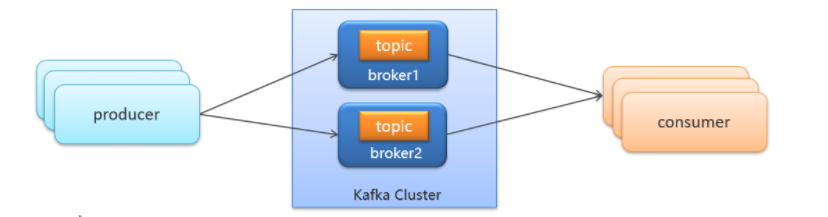
- producer:发布消息的对象称之为主题生产者(Kafka topic producer)
- topic:Kafka将消息分门别类,每一类的消息称之为一个主题(Topic)
- consumer:订阅消息并处理发布的消息的对象称之为主题消费者(consumers)
- broker:已发布的消息保存在一组服务器中,称之为Kafka集群。集群中的每一个服务器都是一个代理(Broker)。 消费者可以订阅一个或多个主题(topic),并从Broker拉数据,从而消费这些已发布的消息。
4.kafka入门
(1)创建kafka-demo项目,导入依赖
<dependency><groupId>org.apache.kafka</groupId><artifactId>kafka-clients</artifactId></dependency>
(2)生产者发送消息
package com.heima.kafka.sample;import org.apache.kafka.clients.producer.KafkaProducer;import org.apache.kafka.clients.producer.ProducerConfig;import org.apache.kafka.clients.producer.ProducerRecord;import java.util.Properties;/*** 生产者*/public class ProducerQuickStart {public static void main(String[] args) {//1.kafka的配置信息Properties properties = new Properties();//kafka的连接地址properties.put(ProducerConfig.BOOTSTRAP_SERVERS_CONFIG,"192.168.200.130:9092");//发送失败,失败的重试次数properties.put(ProducerConfig.RETRIES_CONFIG,5);//消息key的序列化器properties.put(ProducerConfig.KEY_SERIALIZER_CLASS_CONFIG,"org.apache.kafka.common.serialization.StringSerializer");//消息value的序列化器properties.put(ProducerConfig.VALUE_SERIALIZER_CLASS_CONFIG,"org.apache.kafka.common.serialization.StringSerializer");//2.生产者对象KafkaProducer<String,String> producer = new KafkaProducer<String, String>(properties);//封装发送的消息ProducerRecord<String,String> record = new ProducerRecord<String, String>("itheima-topic","100001","hello kafka");//3.发送消息producer.send(record);//4.关闭消息通道,必须关闭,否则消息发送不成功producer.close();}}
(3)消费者接收消息
package com.heima.kafka.sample;import org.apache.kafka.clients.consumer.ConsumerConfig;import org.apache.kafka.clients.consumer.ConsumerRecord;import org.apache.kafka.clients.consumer.ConsumerRecords;import org.apache.kafka.clients.consumer.KafkaConsumer;import java.time.Duration;import java.util.Collections;import java.util.Properties;/*** 消费者*/public class ConsumerQuickStart {public static void main(String[] args) {//1.添加kafka的配置信息Properties properties = new Properties();//kafka的连接地址properties.put(ConsumerConfig.BOOTSTRAP_SERVERS_CONFIG, "192.168.200.130:9092");//消费者组properties.put(ConsumerConfig.GROUP_ID_CONFIG, "group2");//消息的反序列化器properties.put(ConsumerConfig.KEY_DESERIALIZER_CLASS_CONFIG, "org.apache.kafka.common.serialization.StringDeserializer");properties.put(ConsumerConfig.VALUE_DESERIALIZER_CLASS_CONFIG, "org.apache.kafka.common.serialization.StringDeserializer");//2.消费者对象KafkaConsumer<String, String> consumer = new KafkaConsumer<String, String>(properties);//3.订阅主题consumer.subscribe(Collections.singletonList("itheima-topic"));//当前线程一直处于监听状态while (true) {//4.获取消息ConsumerRecords<String, String> consumerRecords = consumer.poll(Duration.ofMillis(1000));for (ConsumerRecord<String, String> consumerRecord : consumerRecords) {System.out.println(consumerRecord.key());System.out.println(consumerRecord.value());}}}}
总结
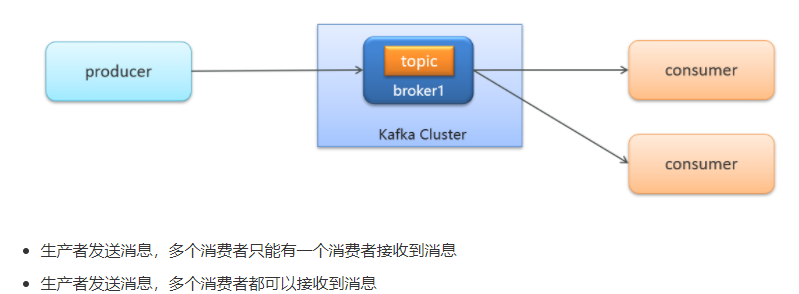
- 生产者发送消息,多个消费者订阅同一个主题,只能有一个消费者收到消息(一对一)
- 生产者发送消息,多个消费者订阅同一个主题,所有消费者都能收到消息(一对多)
5.SpringBoot集成kafka
1.导入spring-kafka依赖信息
<dependencies><dependency><groupId>org.springframework.boot</groupId><artifactId>spring-boot-starter-web</artifactId></dependency><!-- kafkfa --><dependency><groupId>org.springframework.kafka</groupId><artifactId>spring-kafka</artifactId><exclusions><exclusion><groupId>org.apache.kafka</groupId><artifactId>kafka-clients</artifactId></exclusion></exclusions></dependency><dependency><groupId>org.apache.kafka</groupId><artifactId>kafka-clients</artifactId></dependency><dependency><groupId>com.alibaba</groupId><artifactId>fastjson</artifactId></dependency></dependencies>
2.在resources下创建文件application.yml
server:port: 9991spring:application:name: kafka-demokafka:bootstrap-servers: 192.168.200.130:9092producer:retries: 10key-serializer: org.apache.kafka.common.serialization.StringSerializervalue-serializer: org.apache.kafka.common.serialization.StringSerializerconsumer:group-id: ${spring.application.name}-testkey-deserializer: org.apache.kafka.common.serialization.StringDeserializervalue-deserializer: org.apache.kafka.common.serialization.StringDeserializer
3.消息生产者
package com.heima.kafka.controller;import org.springframework.beans.factory.annotation.Autowired;import org.springframework.kafka.core.KafkaTemplate;import org.springframework.web.bind.annotation.GetMapping;import org.springframework.web.bind.annotation.RestController;@RestControllerpublic class HelloController {@Autowiredprivate KafkaTemplate<String,String> kafkaTemplate;@GetMapping("/hello")public String hello(){kafkaTemplate.send("itcast-topic","黑马程序员");return "ok";}}
4.消息消费者
package com.heima.kafka.listener;import org.springframework.kafka.annotation.KafkaListener;import org.springframework.stereotype.Component;import org.springframework.util.StringUtils;@Componentpublic class HelloListener {@KafkaListener(topics = "itcast-topic")public void onMessage(String message){if(!StringUtils.isEmpty(message)){System.out.println(message);}}}
传递消息为对象
目前springboot整合后的kafka,因为序列化器是StringSerializer,这个时候如果需要传递对象可以有两种方式
方式一:可以自定义序列化器,对象类型众多,这种方式通用性不强,本章节不介绍
方式二:可以把要传递的对象进行转json字符串,接收消息后再转为对象即可,本项目采用这种方式
发送消息
@GetMapping("/hello")public String hello(){User user = new User();user.setUsername("xiaowang");user.setAge(18);kafkaTemplate.send("user-topic", JSON.toJSONString(user));return "ok";}
接收消息
package com.heima.kafka.listener;import com.alibaba.fastjson.JSON;import com.heima.kafka.pojo.User;import org.springframework.kafka.annotation.KafkaListener;import org.springframework.stereotype.Component;import org.springframework.util.StringUtils;@Componentpublic class HelloListener {@KafkaListener(topics = "user-topic")public void onMessage(String message){if(!StringUtils.isEmpty(message)){User user = JSON.parseObject(message, User.class);System.out.println(user);}}}

若有收获,就点个赞吧
0 人点赞


