前言
上一节我们讨论了单向链表,这一节我们将对于双向链表做出讨论
单向链表
- 只能从头遍历到尾或者从尾遍历到头(一般从头到尾)。
- 链表相连的过程是单向的,实现原理是上一个节点中有指向下一个节点的引用。
- 单向链表有一个比较明显的缺点:可以轻松到达下一个节点,但回到前一个节点很难,在实际开发中, 经常会遇到需要回到上一个节点的情况。
双向链表
- 既可以从头遍历到尾,也可以从尾遍历到头。
- 链表相连的过程是双向的。实现原理是一个节点既有向前连接的引用,也有一个向后连接的引用。
- 双向链表可以有效的解决单向链表存在的问题。
- 双向链表缺点:
- 每次在插入或删除某个节点时,都需要处理四个引用,而不是两个,实现起来会困难些。
- 相对于单向链表,所占内存空间更大一些。
- 但是,相对于双向链表的便利性而言,这些缺点微不足道。
双向链表图解: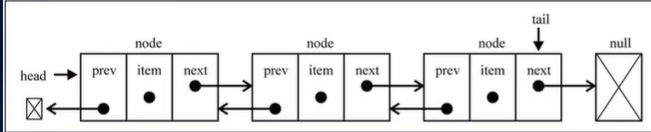
**
- 双向链表不仅有 head 指针指向第一个节点,而且有 tail 指针指向最后一个节点。
- 每一个节点由三部分组成:item 储存数据、prev 指向前一个节点、next 指向后一个节点。
- 双向链表的第一个节点的 prev 指向 null。
- 双向链表的最后一个节点的 next 指向 null。
双向链表常见操作
append(element)向链表尾部追加一个新元素。insert(position, element)向链表的指定位置插入一个新元素。getElement(position)获取指定位置的元素。indexOf(element)返回元素在链表中的索引。如果链表中没有该元素就返回 -1。update(position, element)修改指定位置上的元素。removeAt(position)从链表中的删除指定位置的元素。remove(element)从链表删除指定的元素。isEmpty()如果链表中不包含任何元素,返回 trun,如果链表长度大于 0 则返回 false。size()返回链表包含的元素个数,与数组的 length 属性类似。toString()由于链表项使用了 Node 类,就需要重写继承自 JavaScript 对象默认的 toString 方法,让其只输出元素的值。forwardString()返回正向遍历节点字符串形式。backwordString()返回反向遍历的节点的字符串形式。
这里我们形式以继承单向链表为主
创建双向链表类 DoublyLinkedList
DoublyNode 类继承单向链表的 Node 类,新添加 this.prev 属性,该属性用于指向上一个节点。
DoublyLinkedList 类继承 LinkedList 类,新添加 this.tail 属性,该属性指向末尾的节点。
双向链表的节点类(继承单向链表的节点类)
class DoublyLinkedList extends LinkedList{constructor(){super()this.tail=null;}DoublyNode=class extends this.Node{constructor(element){super(element)this.prev=null}}}
append(element)
// append(element) 往双向链表尾部追加一个新的元素// 重写 append()append(element) {// 1、创建双向链表节点const newNode = new DoublyNode(element);// 2、追加元素if (this.head === null) {this.head = newNode;this.tail = newNode;} else {// !!跟单向链表不同,不用通过循环找到最后一个节点// 巧妙之处this.tail.next = newNode;newNode.prev = this.tail;this.tail = newNode;}this.length++;}
insert(position, element)
// insert(position, data) 插入元素
// 重写 insert()
insert(position, element) {
    // 1、position 越界判断
    if (position < 0 || position > this.length) return false;

    // 2、创建新的双向链表节点
    const newNode = new DoublyNode(element);

    // 3、判断多种插入情况
    if (position === 0) { // 在第 0 个位置插入

      if (this.head === null) {
        this.head = newNode;
        this.tail = newNode;
      } else {
        //== 巧妙之处:相处腾出 this.head 空间,留个 newNode 来赋值 ==//
        newNode.next = this.head;
        this.head.perv = newNode;
        this.head = newNode;
      }

    } else if (position === this.length) { // 在最后一个位置插入

      this.tail.next = newNode;
      newNode.prev = this.tail;
      this.tail = newNode;
    } else { // 在 0 ~ this.length 位置中间插入

      let targetIndex = 0;
      let currentNode = this.head;
      let previousNode = null;

      // 找到要插入位置的节点
      while (targetIndex++ < position) {
        previousNode = currentNode;
        currentNode = currentNode.next;
      }

      // 交换节点信息
      previousNode.next = newNode;
      newNode.prev = previousNode;

      newNode.next = currentNode;
      currentNode.prev = newNode;
    }

    this.length++;

    return true;
  }
toString(),backwordString(),forwardString()方法
  backwordToString(){
    let currentNode=this.head;
    let resultString='';
    while(currentNode){
      resultString+=currentNode.data+'';
      currentNode=currentNode.next
    }
    return resultString
  }

  forwordToString(){
    let currentNode=this.tail;
    let resultString='';
    while(currentNode){
      resultString+=currentNode.data+"";
      currentNode=currentNode.prev
    }
    return resultString
  }
  toString(){
    return this.backwordToString()
  }
removeAt(position)方法
 // removeAt() 删除指定位置的节点
  // 重写 removeAt()
  removeAt(position) {
    // 1、position 越界判断
    if (position < 0 || position > this.length - 1) return null;

    // 2、根据不同情况删除元素
    let currentNode = this.head;
    if (position === 0) { // 删除第一个节点的情况

      if (this.length === 1) { // 链表内只有一个节点的情况
        this.head = null;
        this.tail = null;
      } else { // 链表内有多个节点的情况
        this.head = this.head.next;
        this.head.prev = null;
      }

    } else if (position === this.length - 1) { // 删除最后一个节点的情况

      currentNode = this.tail;
      this.tail.prev.next = null;
      this.tail = this.tail.prev;

    } else { // 删除 0 ~ this.length - 1 里面节点的情况

      let targetIndex = 0;
      let previousNode = null;
      while (targetIndex++ < position) {
        previousNode = currentNode;
        currentNode = currentNode.next;
      }

      previousNode.next = currentNode.next;
      currentNode.next.perv = previousNode;

    }

    this.length--;
    return currentNode.data;
  }
完整实现
class DoublyLinkedList extends LinkedList {

  constructor() {
    super();
    this.tail = null;
  }

  // ------------ 链表的常见操作 ------------ //
  // append(element) 往双向链表尾部追加一个新的元素
  // 重写 append()
  append(element) {

    // 1、创建双向链表节点
    const newNode = new DoublyNode(element);

    // 2、追加元素
    if (this.head === null) {
      this.head = newNode;
      this.tail = newNode;
    } else {
      // !!跟单向链表不同,不用通过循环找到最后一个节点
      // 巧妙之处
      this.tail.next = newNode;
      newNode.prev = this.tail;
      this.tail = newNode;
    }

    this.length++;
  }

  // insert(position, data) 插入元素
  // 重写 insert()
  insert(position, element) {
    // 1、position 越界判断
    if (position < 0 || position > this.length) return false;

    // 2、创建新的双向链表节点
    const newNode = new DoublyNode(element);

    // 3、判断多种插入情况
    if (position === 0) { // 在第 0 个位置插入

      if (this.head === null) {
        this.head = newNode;
        this.tail = newNode;
      } else {
        //== 巧妙之处:相处腾出 this.head 空间,留个 newNode 来赋值 ==//
        newNode.next = this.head;
        this.head.perv = newNode;
        this.head = newNode;
      }

    } else if (position === this.length) { // 在最后一个位置插入

      this.tail.next = newNode;
      newNode.prev = this.tail;
      this.tail = newNode;
    } else { // 在 0 ~ this.length 位置中间插入

      let targetIndex = 0;
      let currentNode = this.head;
      let previousNode = null;

      // 找到要插入位置的节点
      while (targetIndex++ < position) {
        previousNode = currentNode;
        currentNode = currentNode.next;
      }

      // 交换节点信息
      previousNode.next = newNode;
      newNode.prev = previousNode;

      newNode.next = currentNode;
      currentNode.prev = newNode;
    }

    this.length++;

    return true;
  }

  // getData() 继承单向链表
  getData(position) {
    return super.getData(position);
  }

  // indexOf() 继承单向链表
  indexOf(data) {
    return super.indexOf(data);
  }

  // removeAt() 删除指定位置的节点
  // 重写 removeAt()
  removeAt(position) {
    // 1、position 越界判断
    if (position < 0 || position > this.length - 1) return null;

    // 2、根据不同情况删除元素
    let currentNode = this.head;
    if (position === 0) { // 删除第一个节点的情况

      if (this.length === 1) { // 链表内只有一个节点的情况
        this.head = null;
        this.tail = null;
      } else { // 链表内有多个节点的情况
        this.head = this.head.next;
        this.head.prev = null;
      }

    } else if (position === this.length - 1) { // 删除最后一个节点的情况

      currentNode = this.tail;
      this.tail.prev.next = null;
      this.tail = this.tail.prev;

    } else { // 删除 0 ~ this.length - 1 里面节点的情况

      let targetIndex = 0;
      let previousNode = null;
      while (targetIndex++ < position) {
        previousNode = currentNode;
        currentNode = currentNode.next;
      }

      previousNode.next = currentNode.next;
      currentNode.next.perv = previousNode;

    }

    this.length--;
    return currentNode.data;
  }

  // update(position, data) 修改指定位置的节点
  // 重写 update()
  update(position, data) {
    // 1、删除 position 位置的节点
    const result = this.removeAt(position);

    // 2、在 position 位置插入元素
    this.insert(position, data);
    return result;
  }

  // remove(data) 删除指定 data 所在的节点(继承单向链表)
  remove(data) {
    return super.remove(data);
  }

  // isEmpty() 判断链表是否为空
  isEmpty() {
    return super.isEmpty();
  }

  // size() 获取链表的长度
  size() {
    return super.size();
  }


  // forwardToString() 链表数据从前往后以字符串形式返回
  forwardToString() {
    let currentNode = this.head;
    let result = '';

    // 遍历所有的节点,拼接为字符串,直到节点为 null
    while (currentNode) {
      result += currentNode.data + '--';
      currentNode = currentNode.next;
    }

    return result;
  }

  // backwardString() 链表数据从后往前以字符串形式返回
  backwardString() {
    let currentNode = this.tail;
    let result = '';

    // 遍历所有的节点,拼接为字符串,直到节点为 null
    while (currentNode) {
      result += currentNode.data + '--';
      currentNode = currentNode.prev;
    }

    return result;
  }
}
测试用例
const doublyLinkedList = new DoublyLinkedList();

// append() 测试
doublyLinkedList.append('ZZ');
doublyLinkedList.append('XX');
doublyLinkedList.append('CC');
console.log(doublyLinkedList);

// insert() 测试
doublyLinkedList.insert(0, '00');
doublyLinkedList.insert(2, '22');
console.log(doublyLinkedList);

// getData() 测试
console.log(doublyLinkedList.getData(1)); //--> ZZ

// indexOf() 测试
console.log(doublyLinkedList.indexOf('XX')); //--> 3
console.log(doublyLinkedList);

// removeAt() 测试
doublyLinkedList.removeAt(0);
doublyLinkedList.removeAt(1);
console.log(doublyLinkedList);

// update() 测试
doublyLinkedList.update(0, '111111');
console.log(doublyLinkedList);

// remove() 测试
console.log(doublyLinkedList.remove('111111'));
console.log(doublyLinkedList.remove('22222'));
console.log(doublyLinkedList);

// forwardToString() 测试
console.log(doublyLinkedList.forwardToString());

// backwardString() 测试
console.log(doublyLinkedList.backwardString());

若有收获,就点个赞吧
0 人点赞


