Spring BeanFactoryPostProcessor
- Author: HuiFer
- 源码阅读仓库: SourceHot-Spring
- 作用: 定制或修改
BeanDefinition的属性
Demo
public class ChangeAttrBeanPostProcessor implements BeanFactoryPostProcessor {private Set<String> attr;public ChangeAttrBeanPostProcessor() {attr = new HashSet<>();}public Set<String> getAttr() {return attr;}public void setAttr(Set<String> attr) {this.attr = attr;}@Overridepublic void postProcessBeanFactory(ConfigurableListableBeanFactory beanFactory) throws BeansException {String[] beanDefinitionNames = beanFactory.getBeanDefinitionNames();for (String beanName : beanDefinitionNames) {BeanDefinition beanDefinition = beanFactory.getBeanDefinition(beanName);StringValueResolver stringValueResolver = new StringValueResolver() {@Overridepublic String resolveStringValue(String strVal) {if (attr.contains(strVal)) {return "隐藏属性";}else {return strVal;}}};BeanDefinitionVisitor visitor = new BeanDefinitionVisitor(stringValueResolver);visitor.visitBeanDefinition(beanDefinition);}}}
public class BeanFactoryPostProcessorSourceCode {public static void main(String[] args) {ApplicationContext context = new ClassPathXmlApplicationContext("BeanFactoryPostProcessor-demo.xml");Apple apple = context.getBean("apple", Apple.class);System.out.println(apple);}}
<?xml version="1.0" encoding="UTF-8"?><beans xmlns:xsi="http://www.w3.org/2001/XMLSchema-instance"xmlns="http://www.springframework.org/schema/beans"xsi:schemaLocation="http://www.springframework.org/schema/beans http://www.springframework.org/schema/beans/spring-beans.xsd"><bean id="removeAttrBeanPostProcessor"class="com.huifer.source.spring.beanPostProcessor.ChangeAttrBeanPostProcessor"><property name="attr"><set><value>hc</value></set></property></bean><bean id="apple" class="com.huifer.source.spring.bean.Apple"><property name="name" value="hc"/></bean></beans>
初始化
org.springframework.context.support.AbstractApplicationContext#refreshinvokeBeanFactoryPostProcessors(beanFactory);
protected void invokeBeanFactoryPostProcessors(ConfigurableListableBeanFactory beanFactory) {PostProcessorRegistrationDelegate.invokeBeanFactoryPostProcessors(beanFactory, getBeanFactoryPostProcessors());// Detect a LoadTimeWeaver and prepare for weaving, if found in the meantime// (e.g. through an @Bean method registered by ConfigurationClassPostProcessor)if (beanFactory.getTempClassLoader() == null && beanFactory.containsBean(LOAD_TIME_WEAVER_BEAN_NAME)) {beanFactory.addBeanPostProcessor(new LoadTimeWeaverAwareProcessor(beanFactory));beanFactory.setTempClassLoader(new ContextTypeMatchClassLoader(beanFactory.getBeanClassLoader()));}}
org.springframework.context.support.PostProcessorRegistrationDelegate#invokeBeanFactoryPostProcessors(org.springframework.beans.factory.config.ConfigurableListableBeanFactory, java.util.List<org.springframework.beans.factory.config.BeanFactoryPostProcessor>)public static void invokeBeanFactoryPostProcessors(ConfigurableListableBeanFactory beanFactory, List<BeanFactoryPostProcessor> beanFactoryPostProcessors) {// Invoke BeanDefinitionRegistryPostProcessors first, if any.Set<String> processedBeans = new HashSet<>();// 判断是否为BeanDefinitionRegistry类if (beanFactory instanceof BeanDefinitionRegistry) {BeanDefinitionRegistry registry = (BeanDefinitionRegistry) beanFactory;// 存放 BeanFactoryPostProcessorList<BeanFactoryPostProcessor> regularPostProcessors = new ArrayList<>();// 存放 BeanDefinitionRegistryPostProcessorList<BeanDefinitionRegistryPostProcessor> registryProcessors = new ArrayList<>();// 2.首先处理入参中的beanFactoryPostProcessorsfor (BeanFactoryPostProcessor postProcessor : beanFactoryPostProcessors) {// 判断是否是BeanDefinitionRegistryPostProcessorif (postProcessor instanceof BeanDefinitionRegistryPostProcessor) {BeanDefinitionRegistryPostProcessor registryProcessor =(BeanDefinitionRegistryPostProcessor) postProcessor;//registryProcessor.postProcessBeanDefinitionRegistry(registry);// BeanDefinitionRegistryPostProcessor 添加// 执行 postProcessBeanFactoryregistryProcessors.add(registryProcessor);}// 这部分else 内容就是 BeanFactoryPostProcessorelse {// BeanFactoryPostProcessor 添加regularPostProcessors.add(postProcessor);}}// Do not initialize FactoryBeans here: We need to leave all regular beans// uninitialized to let the bean factory post-processors apply to them!// Separate between BeanDefinitionRegistryPostProcessors that implement// PriorityOrdered, Ordered, and the rest.List<BeanDefinitionRegistryPostProcessor> currentRegistryProcessors = new ArrayList<>();// First, invoke the BeanDefinitionRegistryPostProcessors that implement PriorityOrdered./*** 调用实现{@link PriorityOrdered}\{@link BeanDefinitionRegistryPostProcessor}* todo: 2020年1月16日 解析方法* {@link DefaultListableBeanFactory#getBeanNamesForType(java.lang.Class, boolean, boolean)}*/String[] postProcessorNames =beanFactory.getBeanNamesForType(BeanDefinitionRegistryPostProcessor.class, true, false);for (String ppName : postProcessorNames) {if (beanFactory.isTypeMatch(ppName, PriorityOrdered.class)) {currentRegistryProcessors.add(beanFactory.getBean(ppName, BeanDefinitionRegistryPostProcessor.class));processedBeans.add(ppName);}}// 排序OrdersortPostProcessors(currentRegistryProcessors, beanFactory);registryProcessors.addAll(currentRegistryProcessors);invokeBeanDefinitionRegistryPostProcessors(currentRegistryProcessors, registry);currentRegistryProcessors.clear();// Next, invoke the BeanDefinitionRegistryPostProcessors that implement Ordered.postProcessorNames = beanFactory.getBeanNamesForType(BeanDefinitionRegistryPostProcessor.class, true, false);for (String ppName : postProcessorNames) {if (!processedBeans.contains(ppName) && beanFactory.isTypeMatch(ppName, Ordered.class)) {currentRegistryProcessors.add(beanFactory.getBean(ppName, BeanDefinitionRegistryPostProcessor.class));processedBeans.add(ppName);}}sortPostProcessors(currentRegistryProcessors, beanFactory);registryProcessors.addAll(currentRegistryProcessors);invokeBeanDefinitionRegistryPostProcessors(currentRegistryProcessors, registry);currentRegistryProcessors.clear();// Finally, invoke all other BeanDefinitionRegistryPostProcessors until no further ones appear.boolean reiterate = true;while (reiterate) {reiterate = false;postProcessorNames = beanFactory.getBeanNamesForType(BeanDefinitionRegistryPostProcessor.class, true, false);for (String ppName : postProcessorNames) {if (!processedBeans.contains(ppName)) {currentRegistryProcessors.add(beanFactory.getBean(ppName, BeanDefinitionRegistryPostProcessor.class));processedBeans.add(ppName);reiterate = true;}}sortPostProcessors(currentRegistryProcessors, beanFactory);registryProcessors.addAll(currentRegistryProcessors);invokeBeanDefinitionRegistryPostProcessors(currentRegistryProcessors, registry);currentRegistryProcessors.clear();}// Now, invoke the postProcessBeanFactory callback of all processors handled so far.invokeBeanFactoryPostProcessors(registryProcessors, beanFactory);invokeBeanFactoryPostProcessors(regularPostProcessors, beanFactory);} else {// Invoke factory processors registered with the context instance.invokeBeanFactoryPostProcessors(beanFactoryPostProcessors, beanFactory);}// Do not initialize FactoryBeans here: We need to leave all regular beans// uninitialized to let the bean factory post-processors apply to them!// 配置文件中的 BeanFactoryPostProcessor 处理String[] postProcessorNames =beanFactory.getBeanNamesForType(BeanFactoryPostProcessor.class, true, false);// Separate between BeanFactoryPostProcessors that implement PriorityOrdered,// Ordered, and the rest.List<BeanFactoryPostProcessor> priorityOrderedPostProcessors = new ArrayList<>();List<String> orderedPostProcessorNames = new ArrayList<>();List<String> nonOrderedPostProcessorNames = new ArrayList<>();for (String ppName : postProcessorNames) {if (processedBeans.contains(ppName)) {// skip - already processed in first phase above// 处理过的跳过} else if (beanFactory.isTypeMatch(ppName, PriorityOrdered.class)) {priorityOrderedPostProcessors.add(beanFactory.getBean(ppName, BeanFactoryPostProcessor.class));} else if (beanFactory.isTypeMatch(ppName, Ordered.class)) {orderedPostProcessorNames.add(ppName);} else {nonOrderedPostProcessorNames.add(ppName);}}// First, invoke the BeanFactoryPostProcessors that implement PriorityOrdered.sortPostProcessors(priorityOrderedPostProcessors, beanFactory);invokeBeanFactoryPostProcessors(priorityOrderedPostProcessors, beanFactory);// Next, invoke the BeanFactoryPostProcessors that implement Ordered.List<BeanFactoryPostProcessor> orderedPostProcessors = new ArrayList<>();for (String postProcessorName : orderedPostProcessorNames) {orderedPostProcessors.add(beanFactory.getBean(postProcessorName, BeanFactoryPostProcessor.class));}sortPostProcessors(orderedPostProcessors, beanFactory);invokeBeanFactoryPostProcessors(orderedPostProcessors, beanFactory);// Finally, invoke all other BeanFactoryPostProcessors.// 配置文件中自定义的 BeanFactoryPostProcessor 注册List<BeanFactoryPostProcessor> nonOrderedPostProcessors = new ArrayList<>();for (String postProcessorName : nonOrderedPostProcessorNames) {nonOrderedPostProcessors.add(beanFactory.getBean(postProcessorName, BeanFactoryPostProcessor.class));}invokeBeanFactoryPostProcessors(nonOrderedPostProcessors, beanFactory);// Clear cached merged bean definitions since the post-processors might have// modified the original metadata, e.g. replacing placeholders in values...beanFactory.clearMetadataCache();}
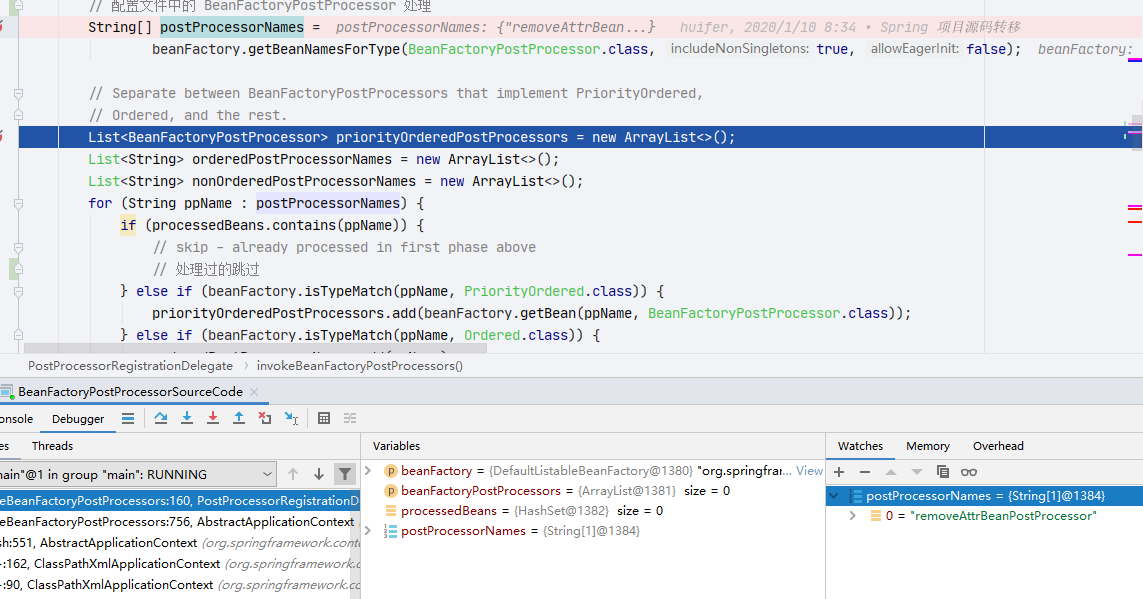
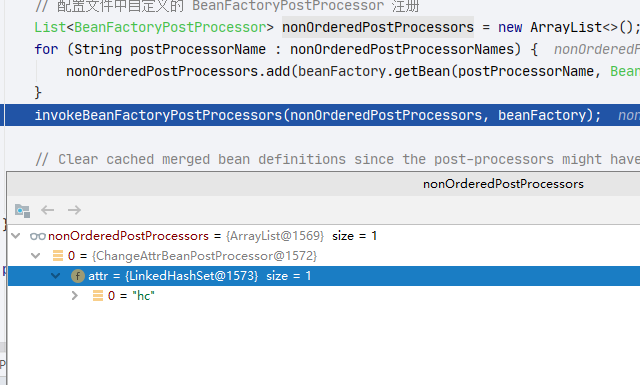
InstantiationAwareBeanPostProcessor
protected void registerBeanPostProcessors(ConfigurableListableBeanFactory beanFactory) {PostProcessorRegistrationDelegate.registerBeanPostProcessors(beanFactory, this);}
public static void registerBeanPostProcessors(ConfigurableListableBeanFactory beanFactory, AbstractApplicationContext applicationContext) {// 获取 BeanPostProcessorString[] postProcessorNames = beanFactory.getBeanNamesForType(BeanPostProcessor.class, true, false);// Register BeanPostProcessorChecker that logs an info message when// a bean is created during BeanPostProcessor instantiation, i.e. when// a bean is not eligible for getting processed by all BeanPostProcessors.// 获取数量int beanProcessorTargetCount = beanFactory.getBeanPostProcessorCount() + 1 + postProcessorNames.length;beanFactory.addBeanPostProcessor(new BeanPostProcessorChecker(beanFactory, beanProcessorTargetCount));// Separate between BeanPostProcessors that implement PriorityOrdered,// Ordered, and the rest.// BeanPostProcessor 通过PriorityOrdered保证顺序List<BeanPostProcessor> priorityOrderedPostProcessors = new ArrayList<>();// MergedBeanDefinitionPostProcessorList<BeanPostProcessor> internalPostProcessors = new ArrayList<>();// 有序的 BeanPostProcessorList<String> orderedPostProcessorNames = new ArrayList<>();// 无序的 BeanPostProcessorList<String> nonOrderedPostProcessorNames = new ArrayList<>();for (String ppName : postProcessorNames) {if (beanFactory.isTypeMatch(ppName, PriorityOrdered.class)) {BeanPostProcessor pp = beanFactory.getBean(ppName, BeanPostProcessor.class);priorityOrderedPostProcessors.add(pp);// 类型判断放入相应的listif (pp instanceof MergedBeanDefinitionPostProcessor) {internalPostProcessors.add(pp);}}else if (beanFactory.isTypeMatch(ppName, Ordered.class)) {orderedPostProcessorNames.add(ppName);}else {nonOrderedPostProcessorNames.add(ppName);}}// First, register the BeanPostProcessors that implement PriorityOrdered./*** 有{@link org.springframework.core.annotation.Order} 相关操作*/sortPostProcessors(priorityOrderedPostProcessors, beanFactory);// 注册 BeanPostProcessor 和 PriorityOrdered 实现registerBeanPostProcessors(beanFactory, priorityOrderedPostProcessors);// Next, register the BeanPostProcessors that implement Ordered.List<BeanPostProcessor> orderedPostProcessors = new ArrayList<>();for (String ppName : orderedPostProcessorNames) {BeanPostProcessor pp = beanFactory.getBean(ppName, BeanPostProcessor.class);orderedPostProcessors.add(pp);if (pp instanceof MergedBeanDefinitionPostProcessor) {internalPostProcessors.add(pp);}}sortPostProcessors(orderedPostProcessors, beanFactory);// 注册 实现Order 和 BeanPostProcessorregisterBeanPostProcessors(beanFactory, orderedPostProcessors);// Now, register all regular BeanPostProcessors.List<BeanPostProcessor> nonOrderedPostProcessors = new ArrayList<>();for (String ppName : nonOrderedPostProcessorNames) {BeanPostProcessor pp = beanFactory.getBean(ppName, BeanPostProcessor.class);nonOrderedPostProcessors.add(pp);if (pp instanceof MergedBeanDefinitionPostProcessor) {internalPostProcessors.add(pp);}}// 注册无序的 BeanPostProcessorregisterBeanPostProcessors(beanFactory, nonOrderedPostProcessors);// Finally, re-register all internal BeanPostProcessors.sortPostProcessors(internalPostProcessors, beanFactory);// 注册 MergedBeanDefinitionPostProcessorregisterBeanPostProcessors(beanFactory, internalPostProcessors);// Re-register post-processor for detecting inner beans as ApplicationListeners,// moving it to the end of the processor chain (for picking up proxies etc).// 添加 ApplicationListenerDetectorbeanFactory.addBeanPostProcessor(new ApplicationListenerDetector(applicationContext));}
- 测试用 Bean
public class DemoInstantiationAwareBeanPostProcessor implements InstantiationAwareBeanPostProcessor {@Overridepublic Object postProcessBeforeInstantiation(Class<?> beanClass, String beanName) throws BeansException {System.out.println("init bean beanClass = " + beanClass.getSimpleName() + " beanName = " + beanName);return null;}}
- 按照笔者的注释,可以知道
DemoInstantiationAwareBeanPostProcessor这个类是一个无序 Bean

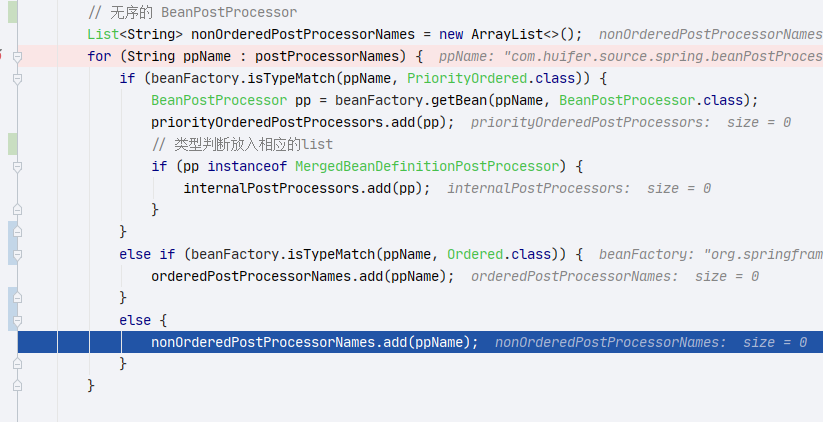
- 注册方法信息截图
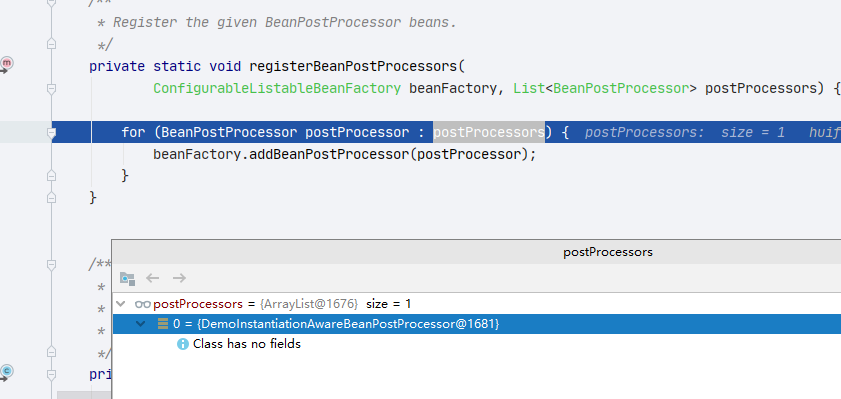
使用阶段(调用阶段)
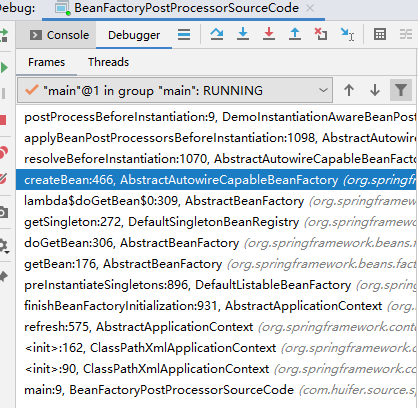
在org.springframework.beans.factory.support.AbstractAutowireCapableBeanFactory#createBean(java.lang.String, org.springframework.beans.factory.support.RootBeanDefinition, java.lang.Object[])中有如下代码
Object bean = resolveBeforeInstantiation(beanName, mbdToUse);
org.springframework.beans.factory.support.AbstractAutowireCapableBeanFactory#resolveBeforeInstantiation
@Nullableprotected Object resolveBeforeInstantiation(String beanName, RootBeanDefinition mbd) {Object bean = null;if (!Boolean.FALSE.equals(mbd.beforeInstantiationResolved)) {// Make sure bean class is actually resolved at this point.if (!mbd.isSynthetic() && hasInstantiationAwareBeanPostProcessors()) {Class<?> targetType = determineTargetType(beanName, mbd);if (targetType != null) {/*** 主要实现{@link org.springframework.beans.factory.config.InstantiationAwareBeanPostProcessor#postProcessBeforeInstantiation(java.lang.Class, java.lang.String)}*/bean = applyBeanPostProcessorsBeforeInstantiation(targetType, beanName);if (bean != null) {bean = applyBeanPostProcessorsAfterInitialization(bean, beanName);}}}mbd.beforeInstantiationResolved = (bean != null);}return bean;}
org.springframework.beans.factory.support.AbstractAutowireCapableBeanFactory#applyBeanPostProcessorsBeforeInstantiation
@Nullableprotected Object applyBeanPostProcessorsBeforeInstantiation(Class<?> beanClass, String beanName) {for (BeanPostProcessor bp : getBeanPostProcessors()) {if (bp instanceof InstantiationAwareBeanPostProcessor) {InstantiationAwareBeanPostProcessor ibp = (InstantiationAwareBeanPostProcessor) bp;// 调用自定义实现Object result = ibp.postProcessBeforeInstantiation(beanClass, beanName);if (result != null) {return result;}}}return null;}
这个地方已经可以看到InstantiationAwareBeanPostProcessor出现了,并且调用了方法postProcessBeforeInstantiation,此处就可以调用我们的自定义方法了

若有收获,就点个赞吧
0 人点赞


