链表
链表中的数据是以结点来表示的,每个结点的构成:元素(数据元素的映象) + 指针(指示后继元素存储位置),元素就是存储数据的存储单元,指针就是连接每个结点的地址数据
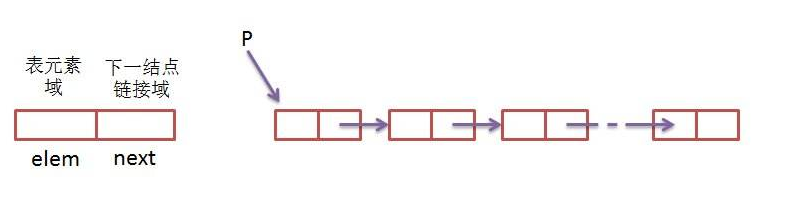
package mainimport ("errors""fmt")type Node struct {Value intNext *Node}//头节点type List struct{Head *Node}//是否为空func (this *List) IsEmpty() bool {if this.Head == nil{return true}return false}//是否最后一个节点func (this *List) IsLast() bool {if this.Head.Next == nil{return true}return false}// 长度func (this *List) Len() int{if this.IsEmpty(){return 0}length := 1current := this.Headfor current.Next != nil {length ++current = current.Next}return length}//首部插入func (this *List) Add(v int) {Head := &Node{Value:v}Head.Next = this.Head //将新创建的Head的next指向当前Headthis.Head = Head // 将当前Head更新为新创建的Head}//尾部插入func (this *List) Append(v int) {Head := &Node{Value:v}if this.IsEmpty(){// 如果当前链表为空,直接插入首部this.Add(v)}else {last := this.Head// 遍历到最后一个节点for last.Next != nil{last = last.Next}last.Next = Head}}// 插入func (this *List) Insert(index,v int) {if index<=0{this.Add(v)}else if index >= this.Len(){this.Append(v)}else {previous := this.Headfor i:=0;i<index-1;i++{previous = previous.Next}current := previous.Next //index节处现有的Head点Head := &Node{Value:v}Head.Next = current //插入的节点的next指向index处现有的Head节点previous.Next = Head // index处现有Head节点的上一个Head的next指向插入的Head}}// 删除func (this *List) DelByIndex(index int) error{current := this.Headif index <= 0 { //判断删除的是否是首节点this.Head = current.Next}else if index>= this.Len(){return errors.New("index out of range")}else {for i:=0;i<index-1;i++{current = current.Next}//将需要被删除的节点的上一个节点的next指向->被删除节点的next指向的Headcurrent.Next = current.Next.Next}return nil}// 删除func (this *List) DelByValue(value int){current := this.Headif value == current.Value{ //判断删除的是否是首节点this.Head = current.Next}else {for current.Next != nil {if current.Next.Value == value{current.Next = current.Next.Next}else {current = current.Next}}}}// 查找func (this *List) Find(index int) (int,error){current := this.Headif index <= 0 {return current.Value,nil}else if index >= this.Len(){return 0,errors.New("index out of range")}for i:=0;i<index;i++{current = current.Next}return current.Value,nil}// 遍历func (this *List) ForEach(){current := this.Headfor {fmt.Println(current.Value)if current.Next == nil{break}current = current.Next}}func main() {list := & List{}list.Append(1)list.Append(2)list.Append(3)list.ForEach()list.Add(0)list.ForEach()list.DelByIndex(3)list.ForEach()list.DelByValue(2)list.ForEach()v,_ := list.Find(1)fmt.Println("index=0;value=",v)}
链表反转
这里引发一个关于指针的问题
两个指针类型互指,结果会如何?
func main() {
    var a *int              // a为nil
    var b = new (int)       // b为0xc00000a110
    var c = new (int)       // c为0xc00000a118
    a = b                     // 此时a为0xc00000a110
    *b = 2                  // 将地址0xc00000a110 指向值为2的一块内存
    b = c                   // 此时b为0xc00000a118,注意这里不会改变a
    *b = 1                  // 将地址0xc00000a118 指向值为1的一块内存
    fmt.Println(*a,*b,*c)   // 2 1 1
}
链表反转的思想:
| 位置调换次数 | pre | temp | whole |
|---|---|---|---|
| 0 | nil | 1->2->3->4->5 | 1->2->3->4->5 |
| 1 | 1->nil | 2->-3>->4->5 | 2->3->4->5->1->nil |
| 2 | 2->1->nil | 3->4->5 | 3->4->5->2->1->nil |
| 3 | 3->2->1->nil | 4->5 | 4->5->3->2->1->nil |
| 4 | 4->3->2->1->nil | 5 | 5->4->3->2->1->nil |
可以看出来
- pre是cur的最前面那位(pre = cur)
- cur就是当前位的后面链表元素(cur = cur.Next)
- cur.Next肯定是接pre(cur.Next = pre)
// 单链反转
func (this *List) Reversr(){
  Head := this.node  // 头节点
  var pre *Node // 定一个空node
  var temp *Node //临时node
  for current != nil{
      temp = current.Next  //让临时node保存头得下一个节点
      current.Next = pre   //将头节点指向前一个节点
      pre = current        //更新前一个节点
      current = temp       //更新头节点
  }
  this.Head = pre
}
判断链表有无环
对于这个问题我们可以采用“快慢指针”的方法。就是有两个指针fast和slow,开始的时候两个指针都指向链表头head,然后在每一步
操作中slow向前走一步即:slow = slow->next,而fast每一步向前两步即:fast = fast->next->next。
由于fast要比slow移动的快,如果有环,fast一定会先进入环,而slow后进入环。当两个指针都进入环之后,经过一定步的操作之后
二者一定能够在环上相遇,并且此时slow还没有绕环一圈,也就是说一定是在slow走完第一圈之前相遇。证明可以看下图:
func (this *List) HasLoop() bool {
    var (
        res        bool
        slow, fast = this.Head, this.Head
    )

    for slow != nil && fast.Next != nil {
        slow = slow.Next
        fast = fast.Next
        if slow == fast {
            res = true
            break
        }
    }

    return res
}
删除倒数第n个节点
快慢指针解法
func removeNthFromEnd(head *ListNode, n int) *ListNode {
    dummy := &ListNode{Next: head} // 辅助头节点,它的好处是处理边界问题
    slow, fast := dummy, dummy

    // fast先走n步
    for n > 0 && fast != nil {
        fast = fast.Next
        n--
    }

    // 当fast走到最后一个有效节点,那么slow就走到了待删除节点的上一个节点
    for fast.Next != nil {
        fast = fast.Next
        slow = slow.Next
    }

    slow.Next = slow.Next.Next

    return dummy.Next
}
结构优化
做任何事情至少都会有两个步骤,实现与优化
type Node struct {
    Value int
    Next *Node
}

type List struct{
    // 1.很显然这种结构体在并发中是不安全的,可以加读写锁
    // mutex *sync.RWMutex
    // 2.如果经常有判断长度的操作,可以加个size字段,将时间复杂度从O(n)变为O(1)
    // size uint
    Head *Node
}

若有收获,就点个赞吧
0 人点赞


