PPT: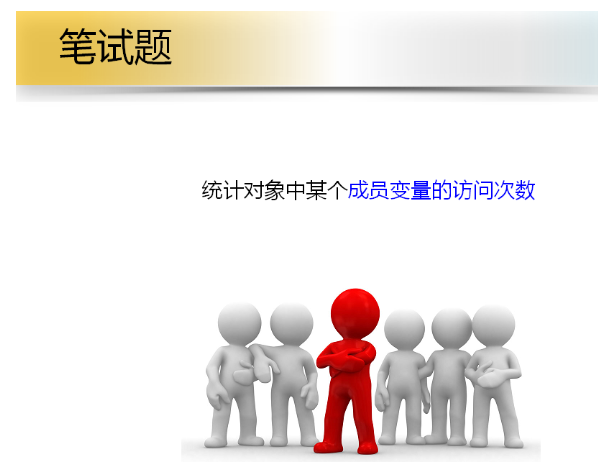
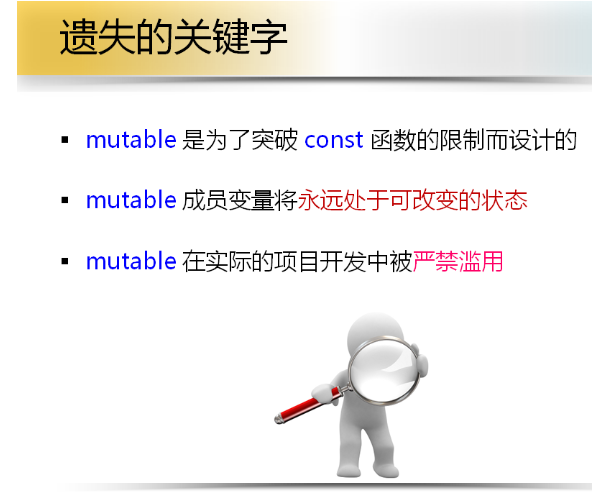
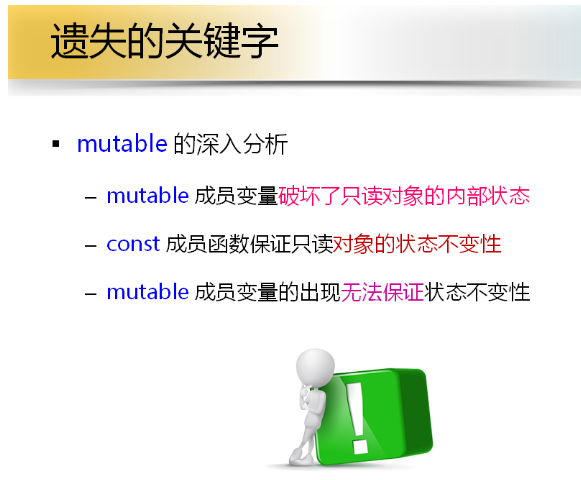


CODE1:
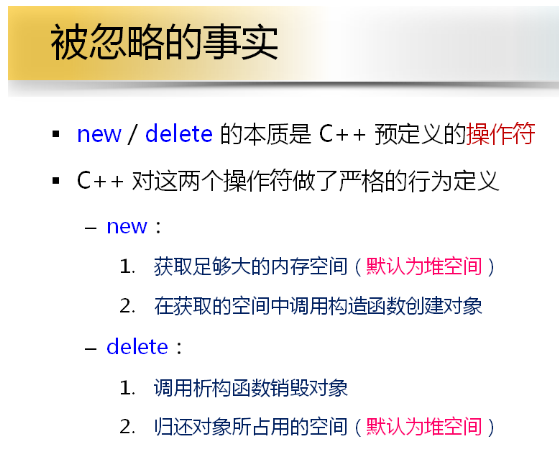
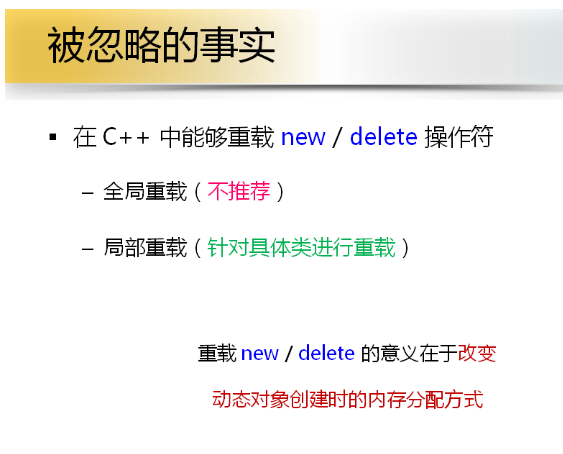
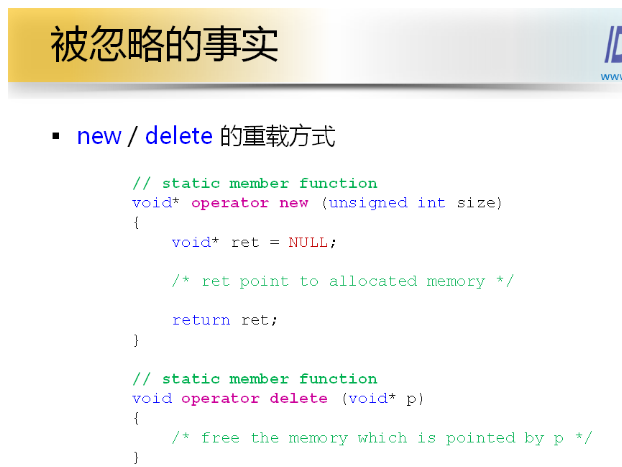
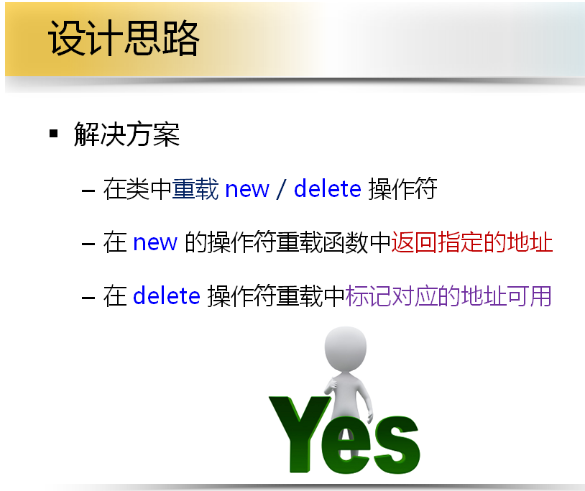
#include <iostream>#include <string>using namespace std;class Test{static const unsigned int COUNT = 4;static char c_buffer[];static char c_map[];int m_value;public:void* operator new(unsigned int size){void* ret = NULL;for(int i = 0; i < COUNT; i++){if( !c_map[i] ){c_map[i] = 1;ret = c_buffer + i * sizeof(Test);cout << "succeed to allocate memory: " << ret << endl;break;}}return ret;}void operator delete(void* p){if( p != NULL ){char* mem = reinterpret_cast<char*>(p);int index = (mem - c_buffer) / sizeof(Test);int flag = (mem - c_buffer) % sizeof(Test);if( (flag == 0) && ( 0 <= index) && (index < COUNT)){c_map[index] = 0;cout << "succeed to free memory: " << p << endl;}}}};char Test:: c_buffer[sizeof(Test) * Test::COUNT] = {0};char Test:: c_map[Test::COUNT] ={0};int main(){Test* pt = new Test;delete pt;Test* pa[5] = {0};for( int i = 0; i < 5; i++){pa[i] = new Test;cout << " pa[" << i << "] =" << pa[i] << endl;}for( int i = 0; i < 5; i++){cout << " pa[" << i << "] =" << pa[i] << endl;delete pa[i];}return 0;}
CODE2:
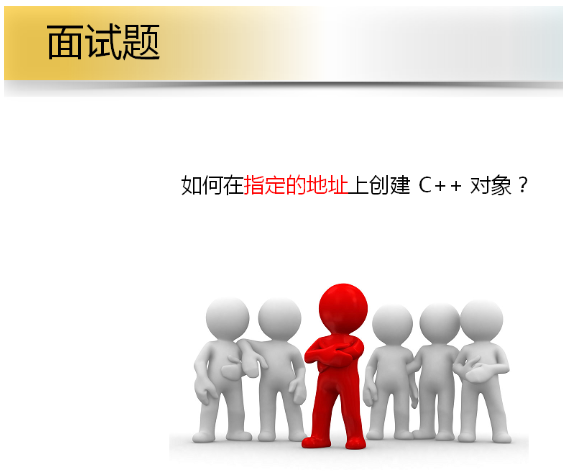
#include <iostream>#include <string>#include <cstdlib>using namespace std;class Test{static unsigned int c_count;static char* c_buffer;static char* c_map;int m_value;public:static bool SetMemorySource(char* memory, unsigned int size){bool ret = false;c_count = size / sizeof(Test);ret = (c_count && (c_map = reinterpret_cast<char*>(calloc(c_count,sizeof(char)))));if(ret){c_buffer = memory;}else{free(c_map);c_map = NULL;c_buffer = NULL;c_count = 0;}return ret;}void* operator new(unsigned int size){void* ret = NULL;if(c_count > 0){for(int i = 0; i < c_count; i++){if( !c_map[i] ){c_map[i] = 1;ret = c_buffer + i * sizeof(Test);cout << "succeed to allocate memory: " << ret << endl;break;}}}else{ret = malloc(size);}return ret;}void operator delete(void* p){if( p != NULL ){if(c_count > 0){char* mem = reinterpret_cast<char*>(p);int index = (mem - c_buffer) / sizeof(Test);int flag = (mem - c_buffer) % sizeof(Test);if( (flag == 0) && ( 0 <= index) && (index < c_count)){c_map[index] = 0;cout << "succeed to free memory: " << p << endl;}}else{free(p);}}}};unsigned int Test:: c_count = 0;char* Test:: c_buffer = NULL;char* Test:: c_map = NULL;int main(){char buffer[12] = {0};//只能申请3个Test:: SetMemorySource(buffer,sizeof(buffer));Test* pt = new Test;delete pt;Test* pa[5] = {0};for( int i = 0; i < 5; i++){pa[i] = new Test;cout << " pa[" << i << "] =" << pa[i] << endl;}for( int i = 0; i < 5; i++){cout << " pa[" << i << "] =" << pa[i] << endl;delete pa[i];}return 0;}
CODE3:
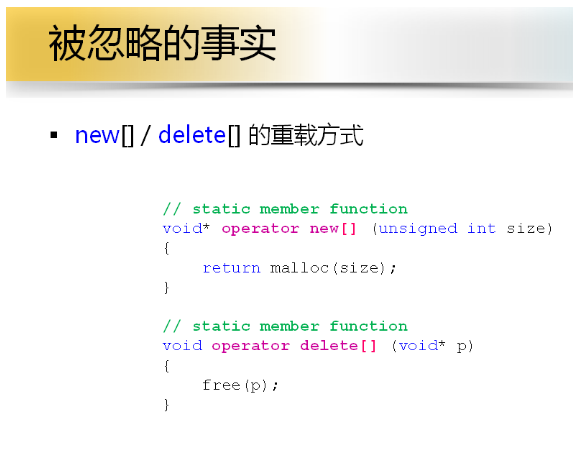
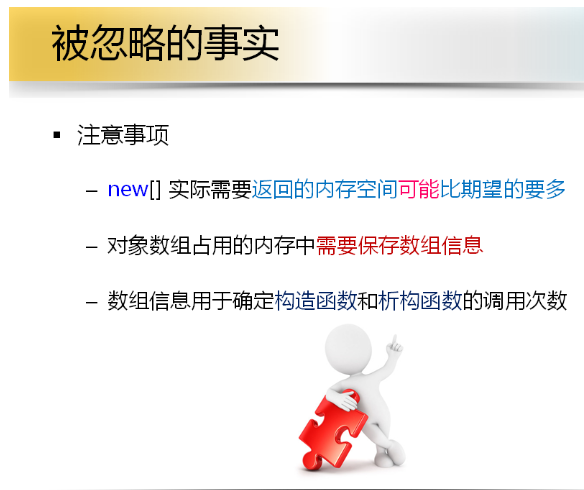
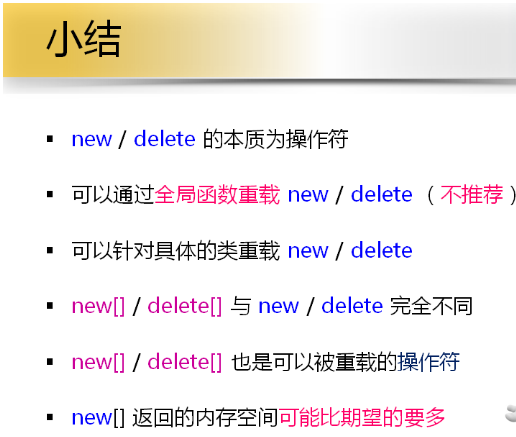
#include <iostream>#include <string>#include <cstdlib>using namespace std;class Test{int m_value;public:Test(){m_value = 0;}~Test(){}void* operator new (unsigned int size){cout << "operator new: " << size << endl;return malloc(size);}void operator delete (void* p){cout << "operator delete: " << p << endl;free(p);}void* operator new[] (unsigned int size){cout << "operator new[]: " << size << endl;return malloc(size);}void operator delete[] (void* p){cout << "operator delete[]: " << p << endl;free(p);}};int main(int argc, char *argv[]){Test* pt = NULL;pt = new Test;delete pt;pt = new Test[5];delete[] pt;return 0;}

若有收获,就点个赞吧
0 人点赞


