有人把观察者(Observer)模式等同于发布(Publish)/订阅(Subscribe)模式,也有人认为这两种模式还是存在差异,而我认为确实是存在差异的,本质上的区别是调度的地方不同。
观察者模式
比较概念的解释是,目标和观察者是基类,目标提供维护观察者的一系列方法,观察者提供更新接口。具体观察者和具体目标继承各自的基类,然后具体观察者把自己注册到具体目标里,在具体目标发生变化时候,调度观察者的更新方法。
比如有个“天气中心”的具体目标A,专门监听天气变化,而有个显示天气的界面的观察者B,B就把自己注册到A里,当A触发天气变化,就调度B的更新方法,并带上自己的上下文。
发布/订阅模式
比较概念的解释是,订阅者把自己想订阅的事件注册到调度中心,当该事件触发时候,发布者发布该事件到调度中心(顺带上下文),由调度中心统一调度订阅者注册到调度中心的处理代码。
比如有个界面是实时显示天气,它就订阅天气事件(注册到调度中心,包括处理程序),当天气变化时(定时获取数据),就作为发布者发布天气信息到调度中心,调度中心就调度订阅者的天气处理程序。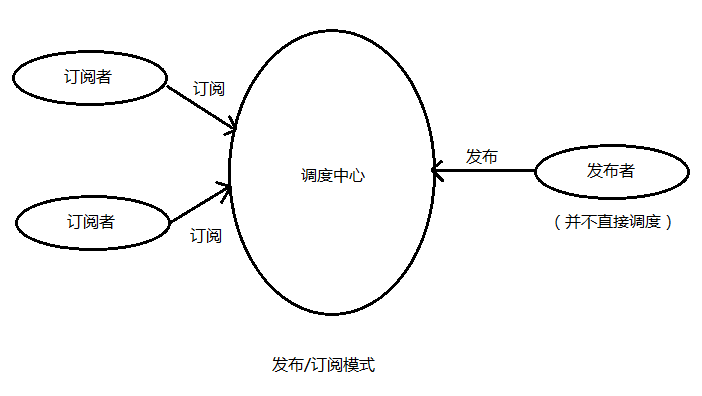
总结
1. 从两张图片可以看到,最大的区别是调度的地方。
虽然两种模式都存在订阅者和发布者(具体观察者可认为是订阅者、具体目标可认为是发布者),但是观察者模式是由具体目标调度的,而发布/订阅模式是统一由调度中心调的,所以观察者模式的订阅者与发布者之间是存在依赖的,而发布/订阅模式则不会。
2. 两种模式都可以用于松散耦合,改进代码管理和潜在的复用。
附录
观察者模式实现代码(JavaScript版):
//观察者列表function ObserverList(){this.observerList = [];}ObserverList.prototype.add = function( obj ){return this.observerList.push( obj );};ObserverList.prototype.count = function(){return this.observerList.length;};ObserverList.prototype.get = function( index ){if( index > -1 && index < this.observerList.length ){return this.observerList[ index ];}};ObserverList.prototype.indexOf = function( obj, startIndex ){var i = startIndex;while( i < this.observerList.length ){if( this.observerList[i] === obj ){return i;}i++;}return -1;};ObserverList.prototype.removeAt = function( index ){this.observerList.splice( index, 1 );};//目标function Subject(){this.observers = new ObserverList();}Subject.prototype.addObserver = function( observer ){this.observers.add( observer );};Subject.prototype.removeObserver = function( observer ){this.observers.removeAt( this.observers.indexOf( observer, 0 ) );};Subject.prototype.notify = function( context ){var observerCount = this.observers.count();for(var i=0; i < observerCount; i++){this.observers.get(i).update( context );}};//观察者function Observer(){this.update = function(){// ...};}
发布/订阅模式实现代码(JavaScript经典版):
var pubsub = {};(function(myObject) {// Storage for topics that can be broadcast// or listened tovar topics = {};// An topic identifiervar subUid = -1;// Publish or broadcast events of interest// with a specific topic name and arguments// such as the data to pass alongmyObject.publish = function( topic, args ) {if ( !topics[topic] ) {return false;}var subscribers = topics[topic],len = subscribers ? subscribers.length : 0;while (len--) {subscribers[len].func( topic, args );}return this;};// Subscribe to events of interest// with a specific topic name and a// callback function, to be executed// when the topic/event is observedmyObject.subscribe = function( topic, func ) {if (!topics[topic]) {topics[topic] = [];}var token = ( ++subUid ).toString();topics[topic].push({token: token,func: func});return token;};// Unsubscribe from a specific// topic, based on a tokenized reference// to the subscriptionmyObject.unsubscribe = function( token ) {for ( var m in topics ) {if ( topics[m] ) {for ( var i = 0, j = topics[m].length; i < j; i++ ) {if ( topics[m][i].token === token ) {topics[m].splice( i, 1 );return token;}}}}return this;};}( pubsub ));

若有收获,就点个赞吧
0 人点赞


