
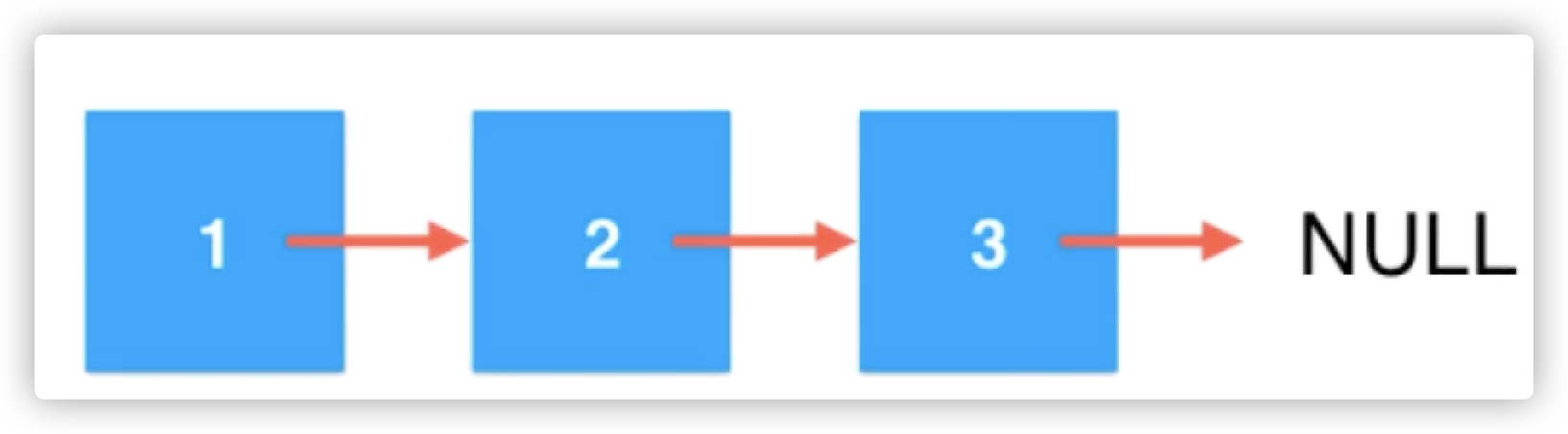
链表有两个结点是比较特殊的,它们分别是第一个结点和最后一个结点。我们习惯性地把第一个结点叫作头结点,把最后一个结点叫作尾结点。其中,头结点用来记录链表的基地址。有了它,我们就可以遍历得到整条链表。而尾结点特殊的地方是:指针不是指向下一个结点,而是指向一个空地址 NULL,表示这是链表上最后一个结点。
链表:真正的动态数据结构
- 数据存储在“节点”(Node) 中
- 优点: 真正的动态,不需要处理固定容量的问题
- 缺点: 丧失了随机访问的能力
class Node {E е;Node next;}
数组和链表的对比
数组


添加操作
addLast(e) O(n)
addFirst(e) O(1)
add(index, e) O(n/2) = O(n)
删除操作
removeLast(e) O(n)
removeFirst(e) O(1)
remove(index, e) O(n/2)= O(n)
修改操作
set(index,e) O(n)
查找操作
get(index) O(n)
contains(e) O(n)
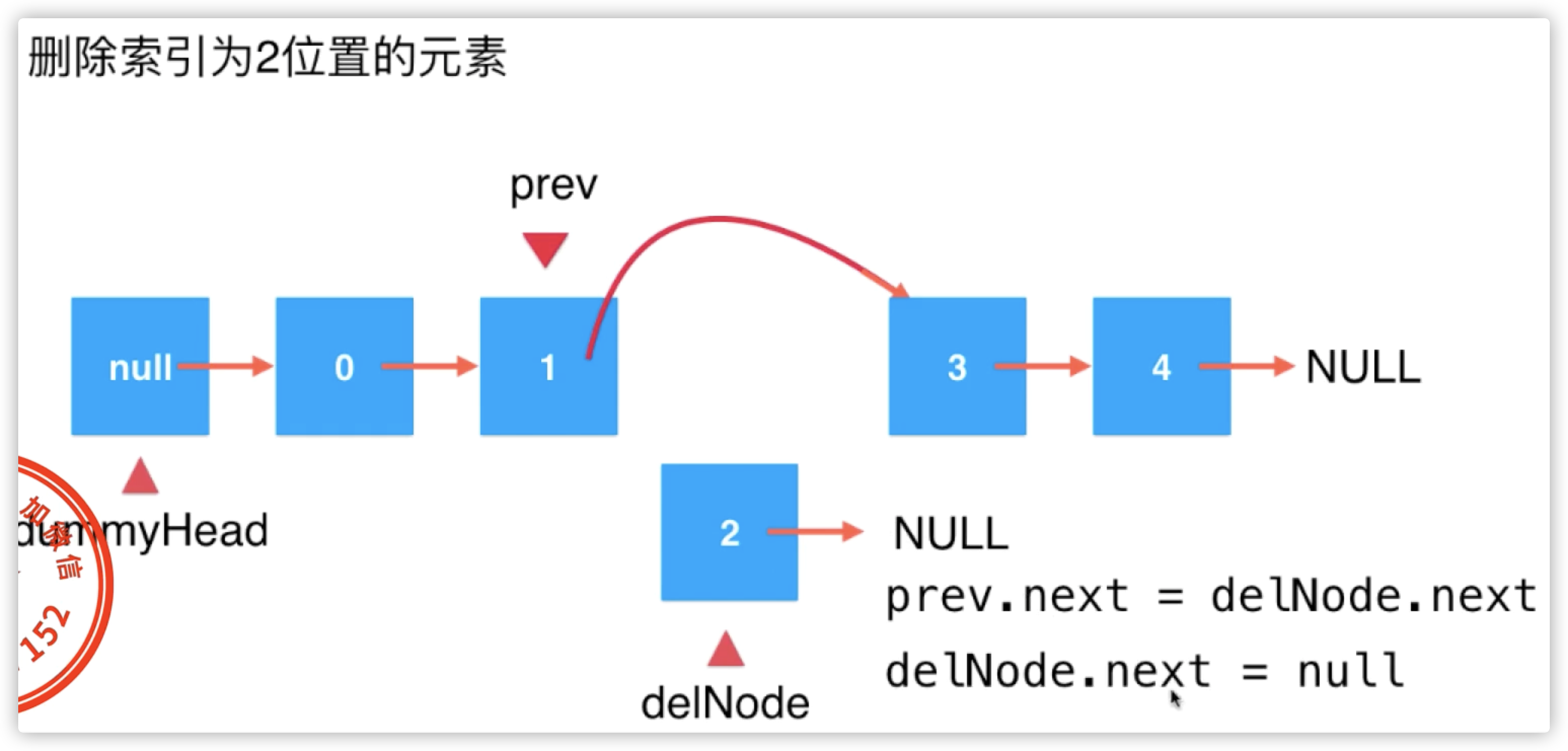
package com.hoho.datastruture.LinkedList;import com.sun.xml.internal.bind.marshaller.NoEscapeHandler;import sun.tools.tree.ForStatement;import sun.tools.tree.NewArrayExpression;import javax.xml.soap.Node;/*** 链表** @author tlc*/public class LinkedList<E> {private class Node {public E e;public Node next;public Node(E e, Node next) {this.e = e;this.next = next;}public Node(E e) {this(e, null);}public Node() {this(null, null);}@Overridepublic String toString() {return e.toString();}}//虚拟头结点private Node dummyHead;private int size;public LinkedList() {dummyHead = new Node(null, null);size = 0;}public int getSize() {return size;}public boolean isEmpty() {return size == 0;}//在链表头添加public void addFirst(E e) {add(0, e);}//在链表中间 添加public void add(int index, E e) {if (index < 0 || index > size) {throw new IllegalArgumentException("Add Failed. Require index > 0 & index <= size");}//先要找到待插入节点的前一个节点Node prev = dummyHead;for (int i = 0; i < index; i++) {prev = prev.next;}//插入新的节点prev.next = new Node(e, prev.next);size++;}public void addLast(E e) {add(size, e);}public E get(int index) {if (index < 0 || index > size) {throw new IllegalArgumentException("get Failed. Require index > 0 & index <= size");}//链表的实际第一个节点Node current = dummyHead.next;for (int i = 0; i < index; i++) {current = current.next;}return current.e;}public E getFirst() {return get(0);}public E getLast() {return get(size - 1);}public void setDummyHead(int index, E e) {if (index < 0 || index > size) {throw new IllegalArgumentException("Set Failed. Require index > 0 & index <= size");}Node current = dummyHead.next;for (int i = 0; i < index; i++) {current = current.next;}current.e = e;}public boolean contains(E e) {Node current = dummyHead.next;while (current != null) {if (current.e.equals(e)) {return true;}current = current.next;}return false;}public E remove(int index) {if (index < 0 || index > size) {throw new IllegalArgumentException("Set Failed. Require index > 0 & index <= size");}Node prev = dummyHead;for (int i = 0; i < index; i++) {prev = prev.next;}Node retNode = prev.next;prev.next = retNode.next;retNode.next = null;size--;return retNode.e;}public E removeFirst(){return remove(0);}public E removeLast(){return remove(size-1);}@Overridepublic String toString() {StringBuilder res = new StringBuilder();Node current = dummyHead.next;while (current != null) {res.append(current + " -> ");current = current.next;}res.append("NULL");return res.toString();}}

若有收获,就点个赞吧
0 人点赞


