1.前提条件和准备工作
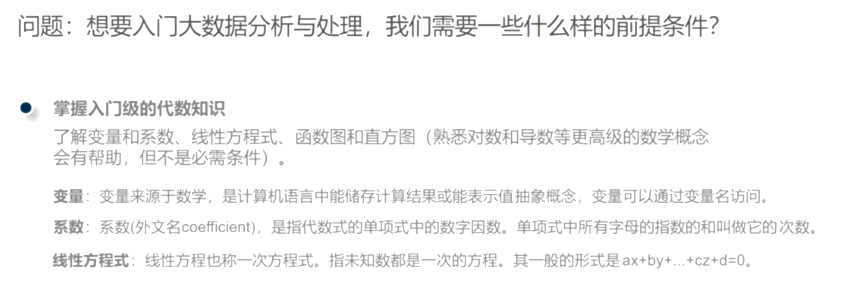


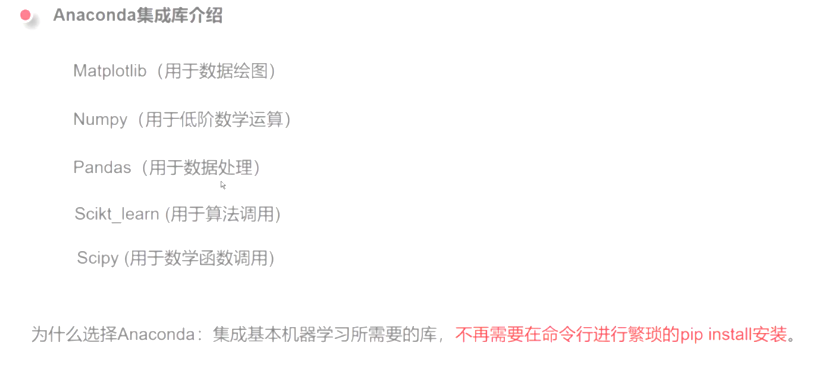
Anaconda3的安装参考教程:
安装Anaconda3后与原有的python冲突解决办法:
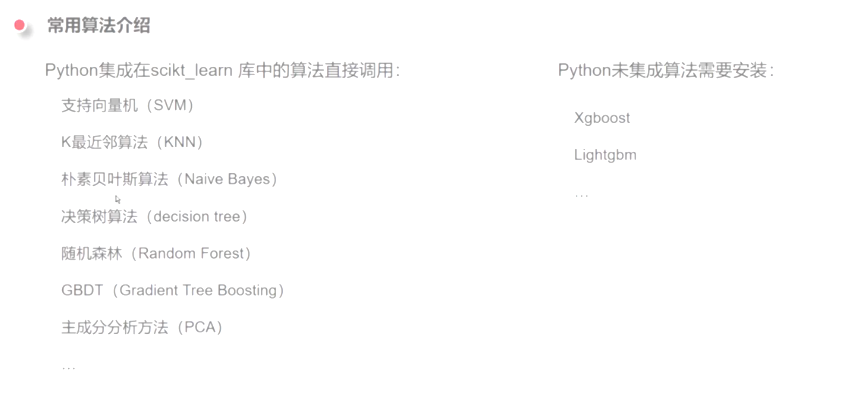
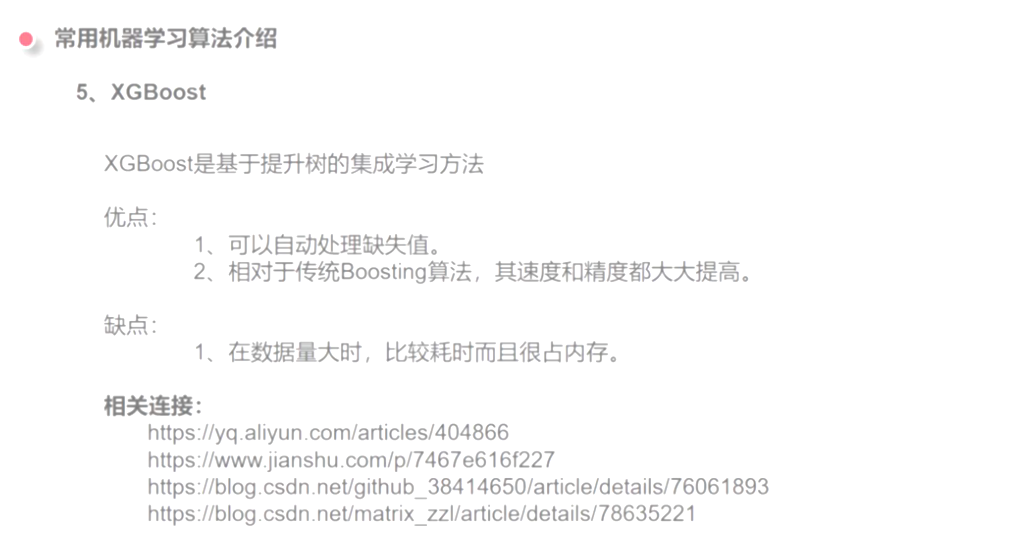
安装xgboost
下载地址:https://www.lfd.uci.edu/~gohlke/pythonlibs/#xgboost
1.下载对应python版本的xgboost,我的是3.6.3,所以选择cp36,
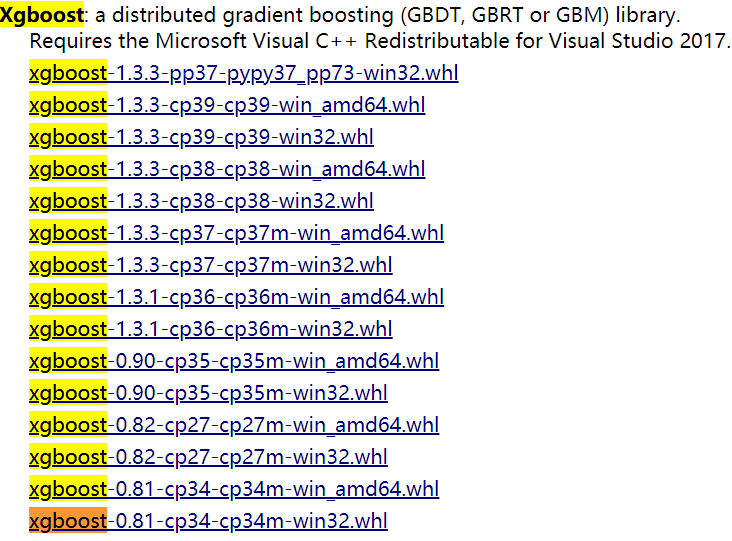
不然安装了会出错:xgboost-0.90-cp37-cp37m-win_amd64.whl is not a supported wheel on this platform.
2.在cmd中安装(后面接的是.whl的文件路径)
3.通过conda list查看是否安装成功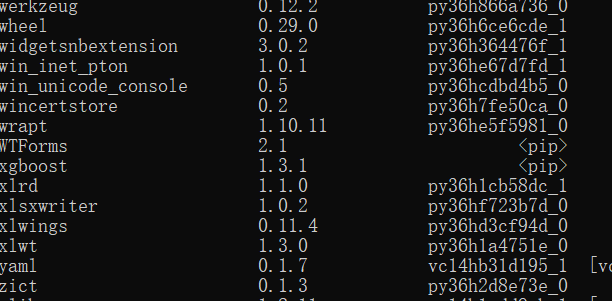
2.机器学习相关概念及python机器学习库
与数据相关概念
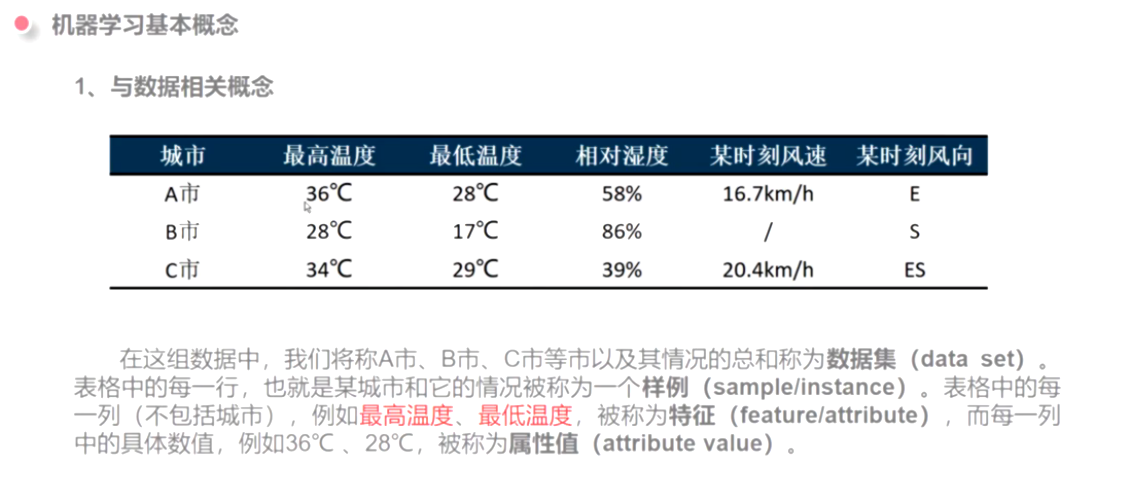
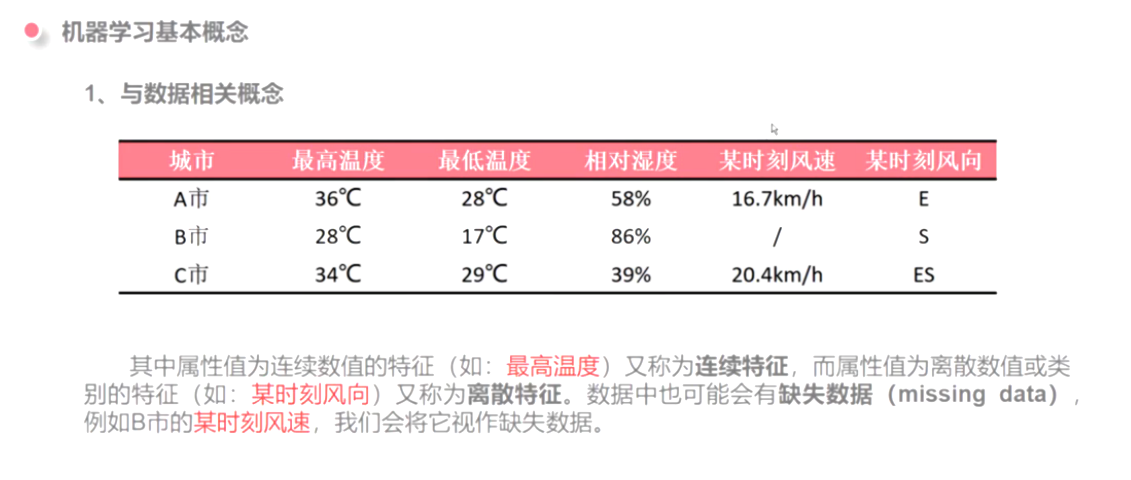
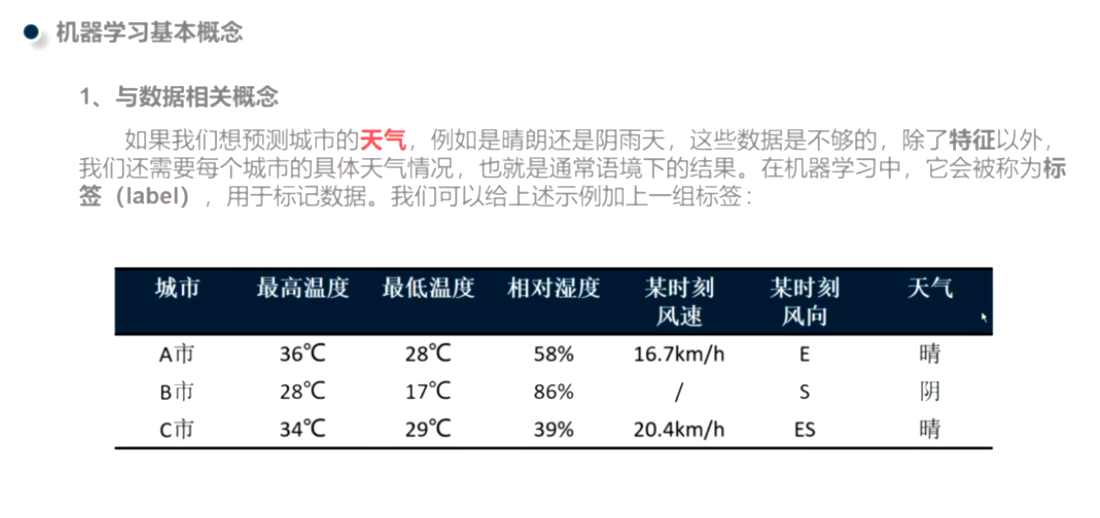
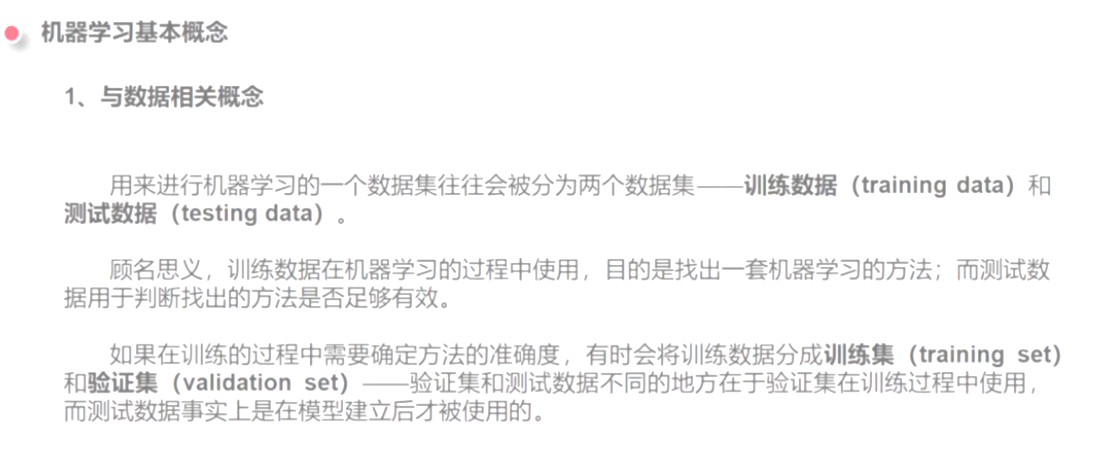
训练集相当于高考的平时练习题,验证集相当于模拟考试题,测试数据就是高考真题
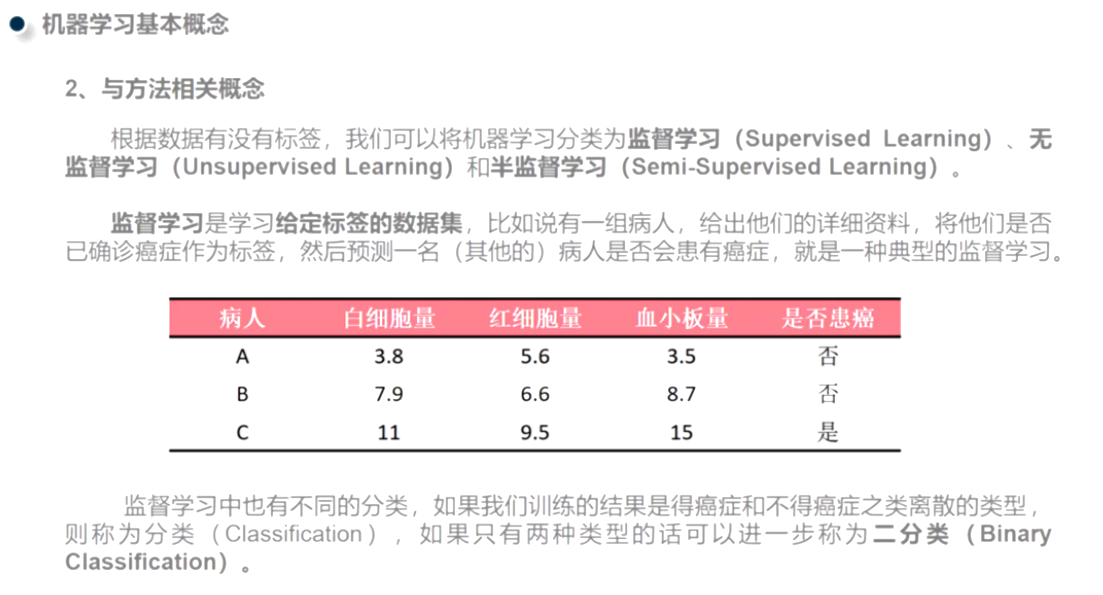
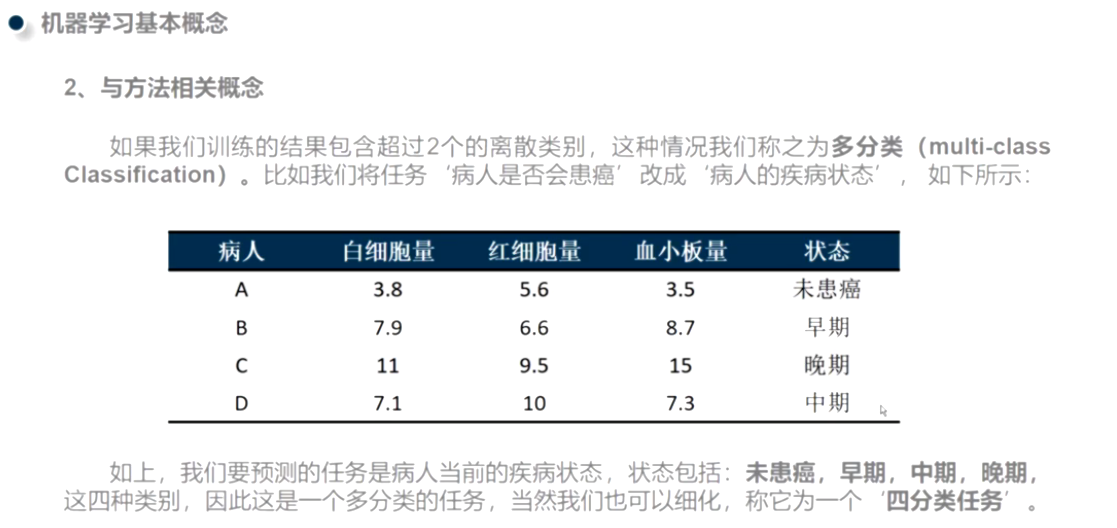
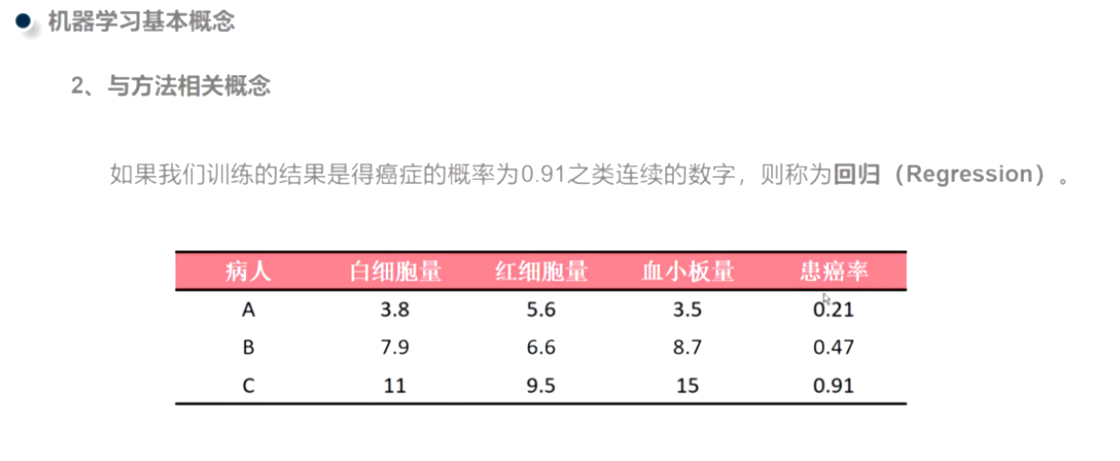
与方法相关概念
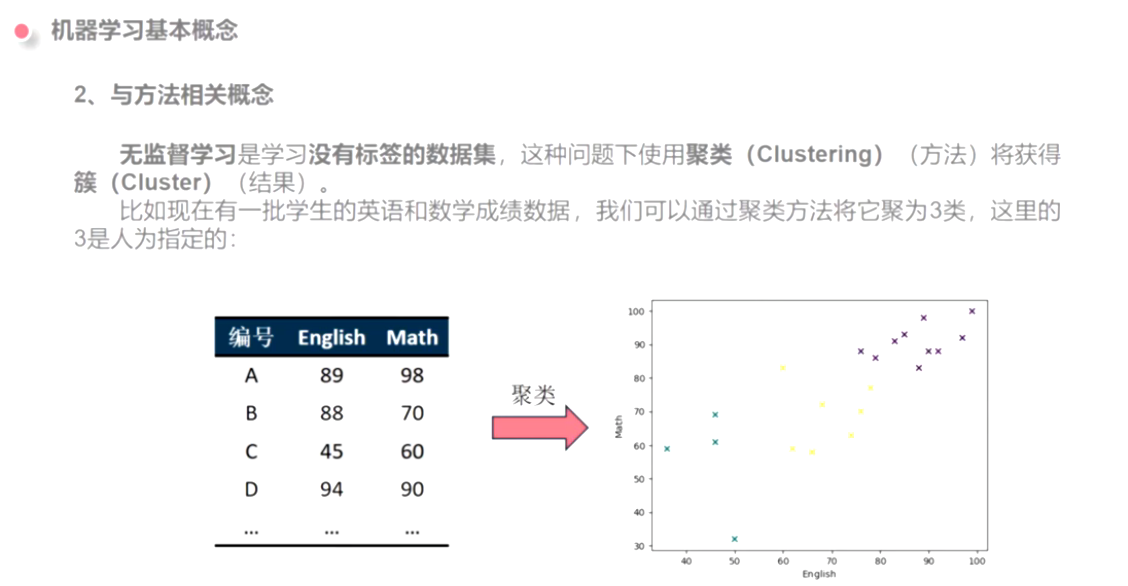

评估指标介绍

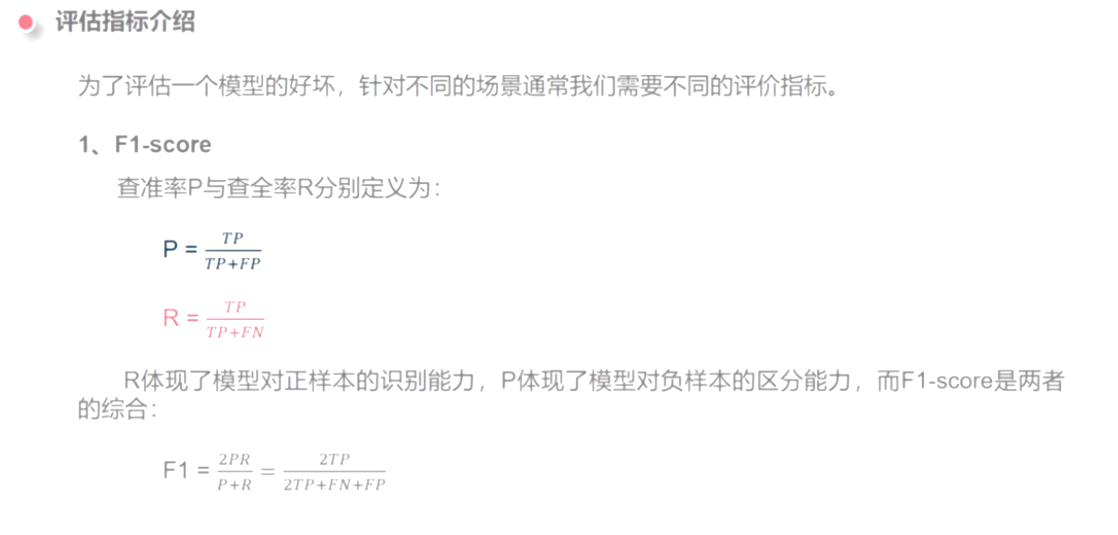
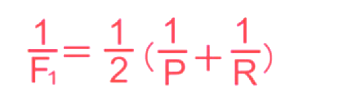
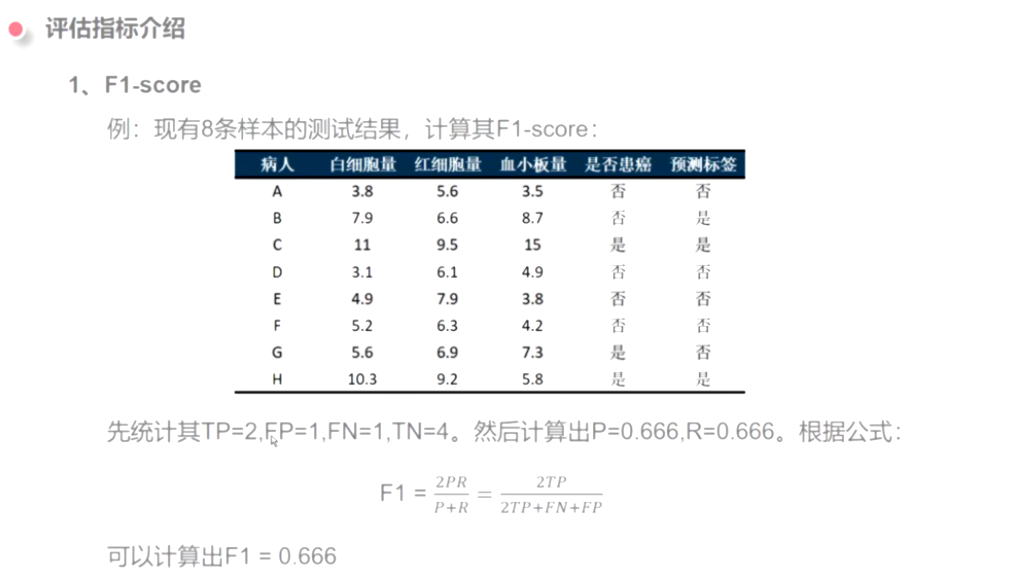
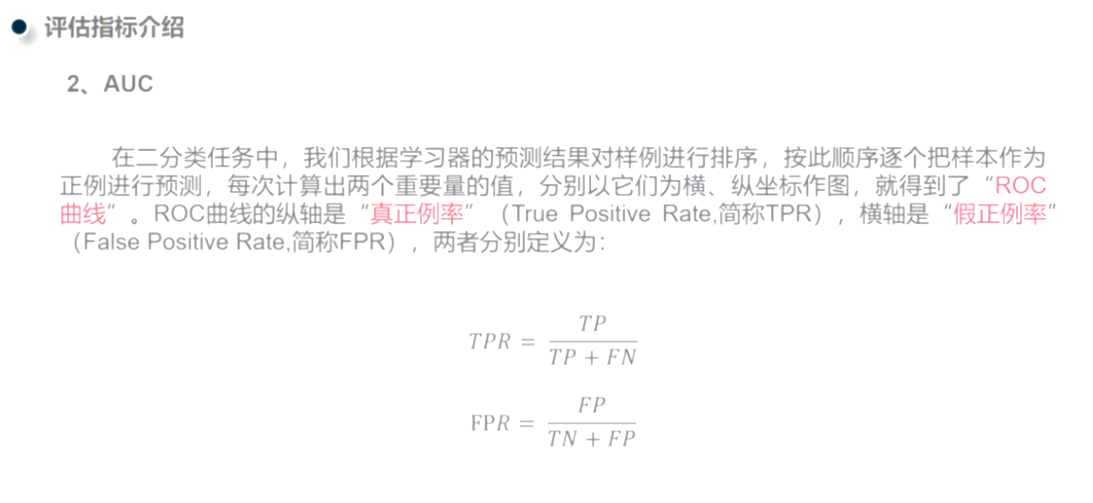

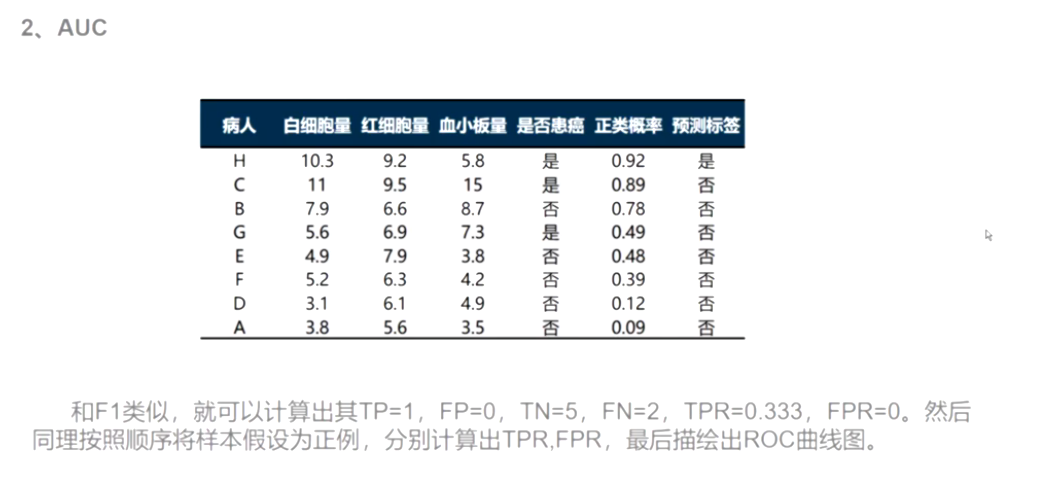


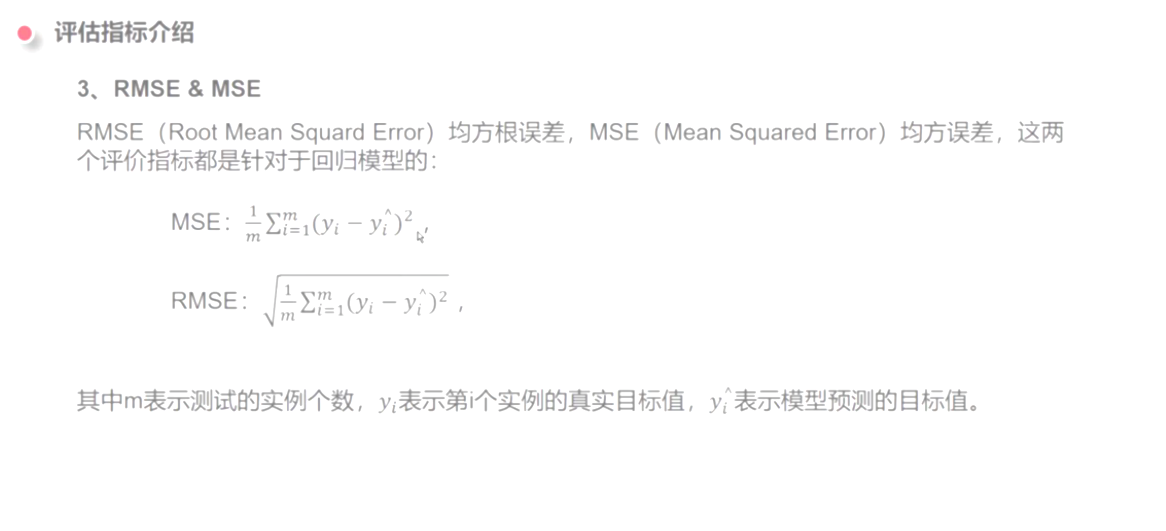
练习:Python实现F1 、AUC计算
# -*- coding: utf-8 -*- #import numpy as npimport pandas as pdclass Score():def __init__(self,pre_score,rel_label,threshold,beta):self.tn = 0self.fn = 0self.fp = 0self.tp = 0self.pre_score = pre_scoreself.rel_label = rel_labelself.threshold = thresholdself.beta = betalist(map(self.__getCM_count,self.pre_score,self.rel_label))def __getCM(self,pre, rel):if (pre < self.threshold):if (rel == 0): return 'TN'if (rel == 1): return 'FN'if (pre >= self.threshold):if (rel == 0): return 'FP'if (rel == 1): return 'TP'def get_cm(self):return list(map(self.__getCM,self.pre_score,self.rel_label))def __getCM_count(self,pre, rel):if (pre < self.threshold):if (rel == 0): self.tn += 1if (rel == 1): self.fn += 1if (pre >= self.threshold):if (rel == 0): self.fp += 1if (rel == 1): self.tp += 1def get_f1(self):P = self.tp/(self.tp+self.fp)R = self.tp/(self.tp+self.fn)if(P == 0.0):return 0.0else:return (self.beta*self.beta+1)*P*R/(self.beta*self.beta*P+R)# 方法二 precision——分数精度def get_auc_by_count(self,precision=100):# 正样本数postive_len = sum(self.rel_label)# 负样本数negative_len = len(self.rel_label) - postive_len# 总对比数total_case = postive_len * negative_len# 正样本分数计数器(填0在range...)pos_histogram = [0 for _ in range(precision+1)]# 负样本分数计数器(填0在range...)neg_histogram = [0 for _ in range(precision+1)]# 分数放大bin_width = 1.0 / precisionfor i in range(len(self.rel_label)):nth_bin = int(self.pre_score[i] / bin_width)if self.rel_label[i] == 1:pos_histogram[nth_bin] += 1else:neg_histogram[nth_bin] += 1accumulated_neg = 0satisfied_pair = 0for i in range(precision+1):satisfied_pair += (pos_histogram[i] * accumulated_neg + pos_histogram[i] * neg_histogram[i] * 0.5)accumulated_neg += neg_histogram[i]return satisfied_pair / float(total_case)# 方法三def get_auc_by_rank(self):# 拼接排序df = pd.DataFrame({'pre_score':self.pre_score,'rel_label':self.rel_label})df = df.sort_values(by='pre_score',ascending=False).reset_index(drop=True)# 获取 n,N,Mn = len(df)M = len(df[df['rel_label']==1])N = n - M# 初始化rank 和同值统计ank_tmp,count_all,count_prank = 0.0rank_tmp,count_all,count_p = 0.0,0,0# 添加防止越界的一条不影响结果的记录df.loc[n] = [0,0]# 遍历一次for i in range(n):# 判断i+1是否与i同值,不同值则要考虑是否刚刚结束同值统计if(df['pre_score'][i+1] != df['pre_score'][i]):# 正样本if(df['rel_label'][i] == 1):# 计数不为0,刚刚结束同值统计if (count_all != 0):# 同值统计结果加在rank上,这里注意补回结束统计时漏掉的最后一条同值数据rank += (rank_tmp + n - i) * (count_p+1) / (count_all+1)rank_tmp, count_all, count_p = 0.0, 0, 0continuerank += (n-i)else:if (count_all != 0):rank += (rank_tmp + n - i) * (count_p) / (count_all+1)rank_tmp, count_all, count_p = 0.0, 0, 0continueelse:rank_tmp += (n-i)count_all += 1if(df['rel_label'][i] == 1):count_p += 1return (rank-M*(1+M)/2)/(M*N)if __name__ == '__main__':learn_data_L2 = [0.2,0.3,0.4,0.35,0.6,0.55,0.2,0.57,0.3,0.15,0.77,0.33,0.9,0.49, 0.45,0.41, 0.66,0.43,0.7,0.4]learn_data_R2 = [0, 0, 0, 0, 0, 0, 0, 0, 0, 0, 0, 0, 1, 1, 1, 1, 1, 1, 1, 1]#通过DataFrame将数据转化为类似于excel表的形式learn_data2 = pd.DataFrame({'Learn': learn_data_L2, 'Real': learn_data_R2})score2 = Score(learn_data2['Learn'], learn_data2['Real'], 0.5, 1)print(score2.get_cm())print(score2.get_f1())print(score2.get_auc_by_count())print(score2.get_auc_by_rank())
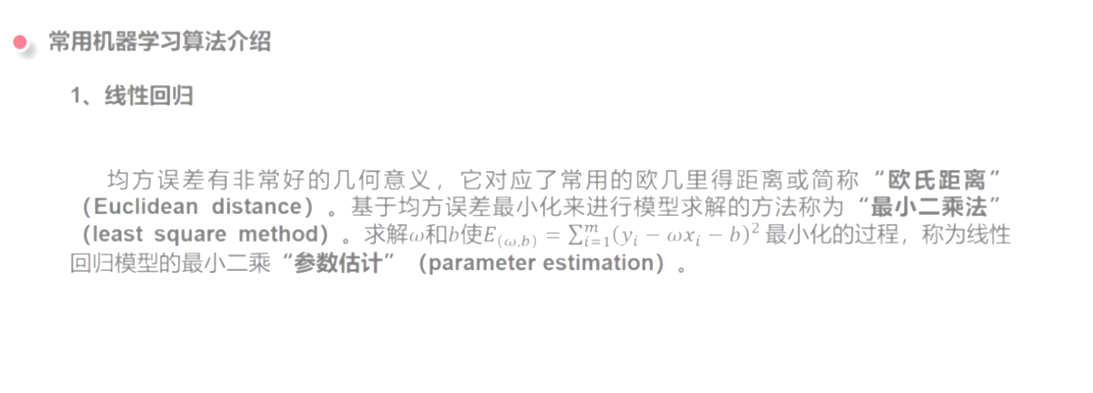
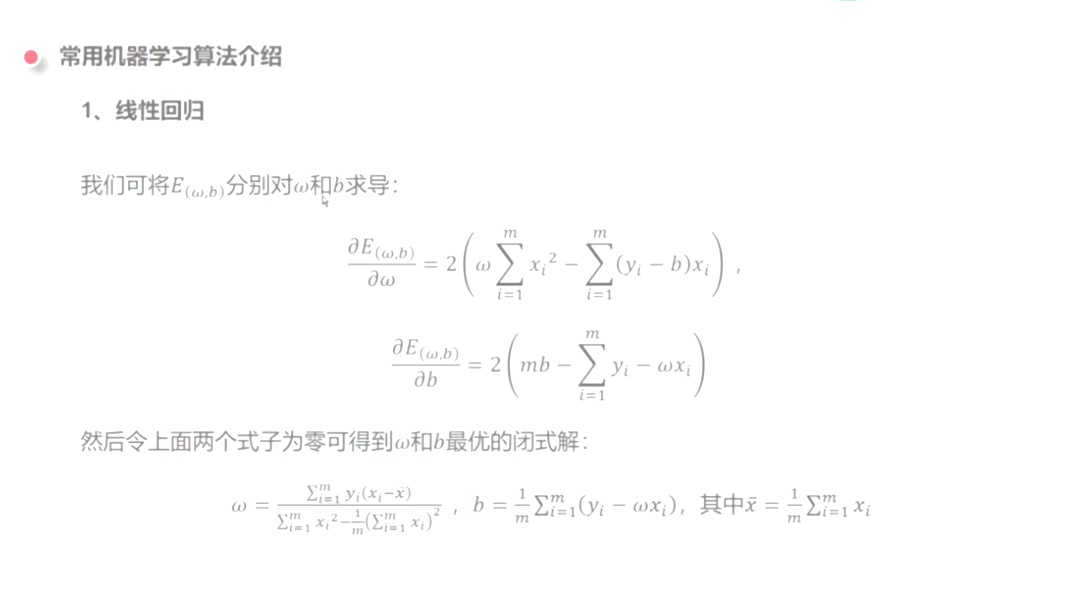
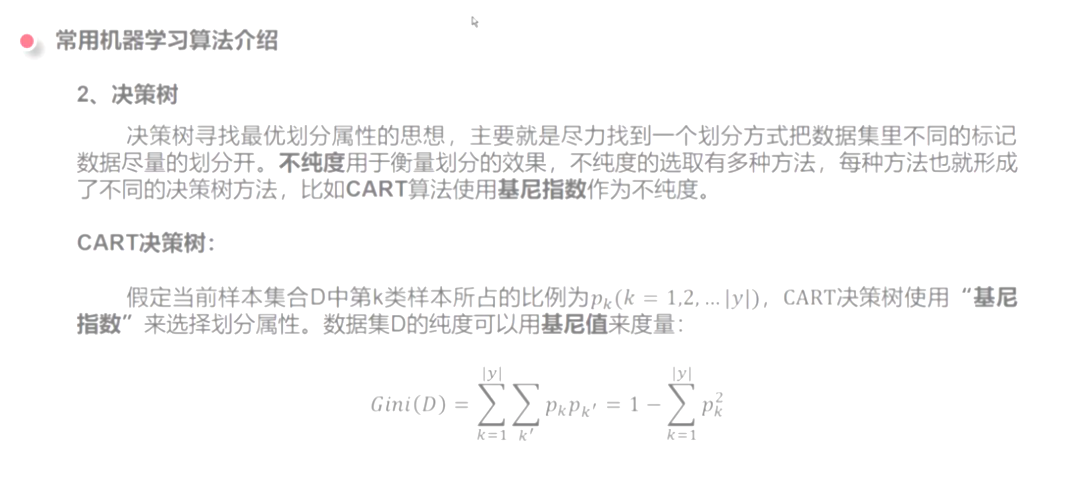
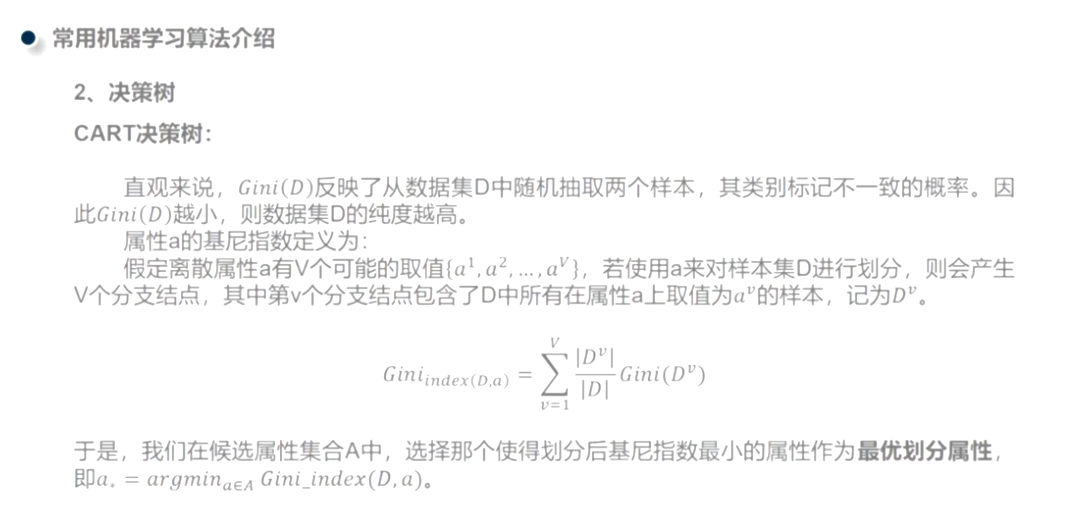
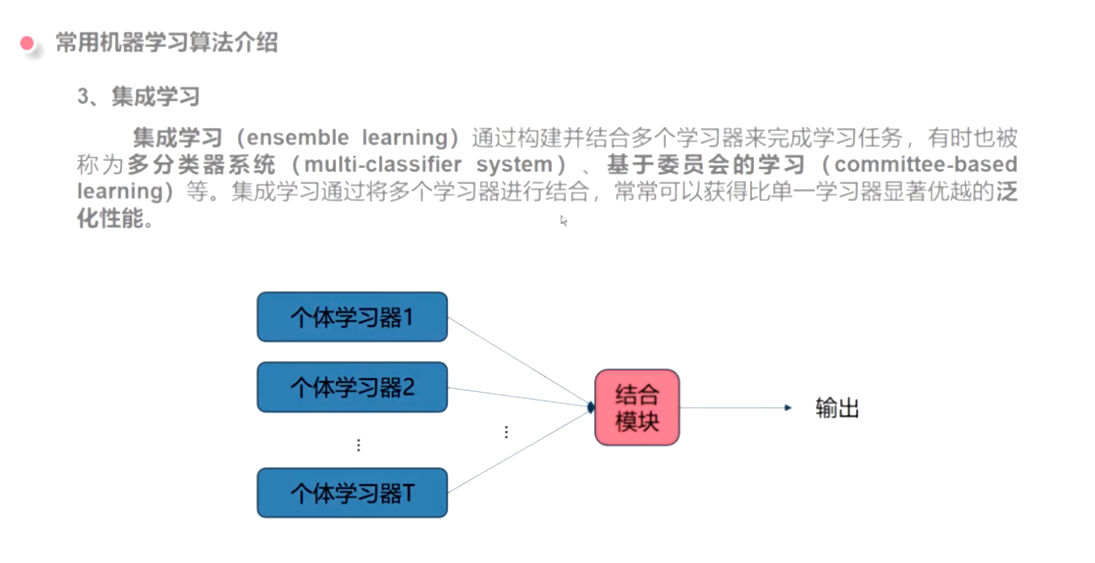
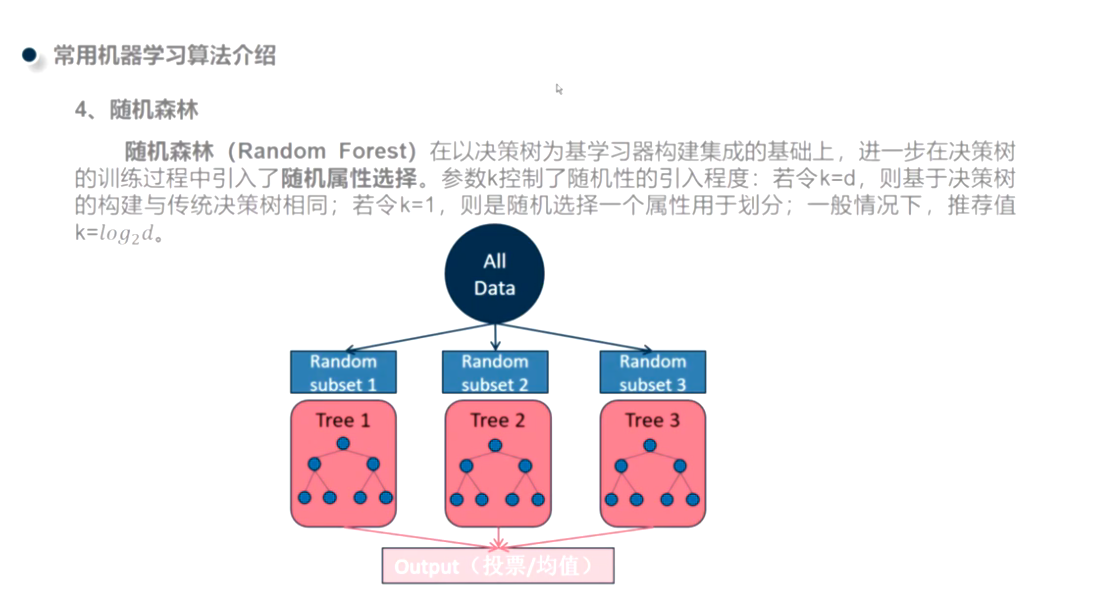
常用机器学习算法

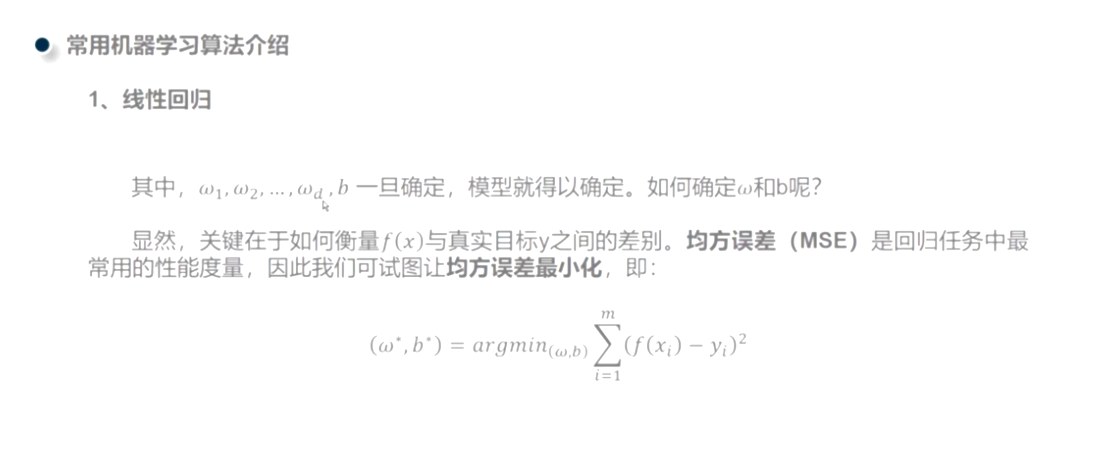

参考文档:

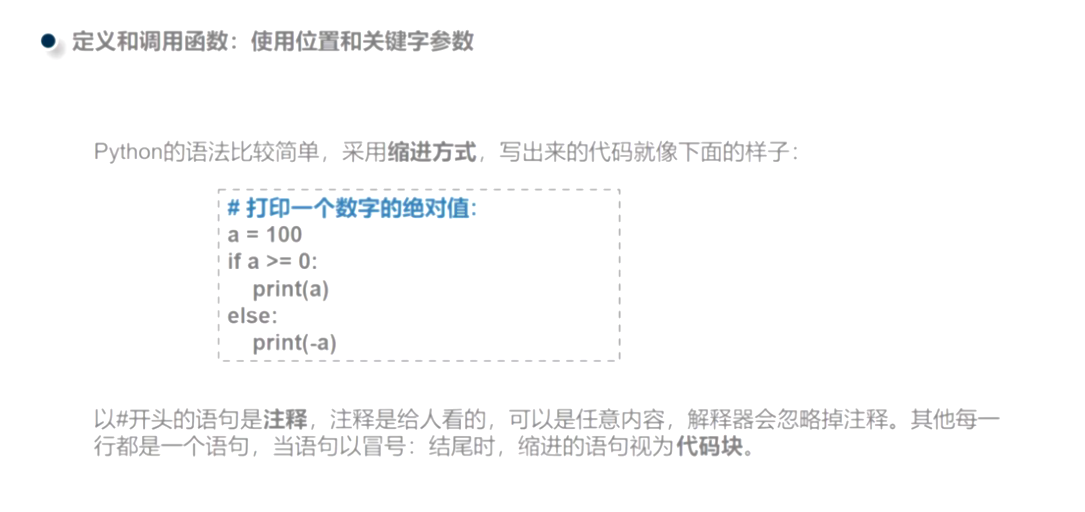
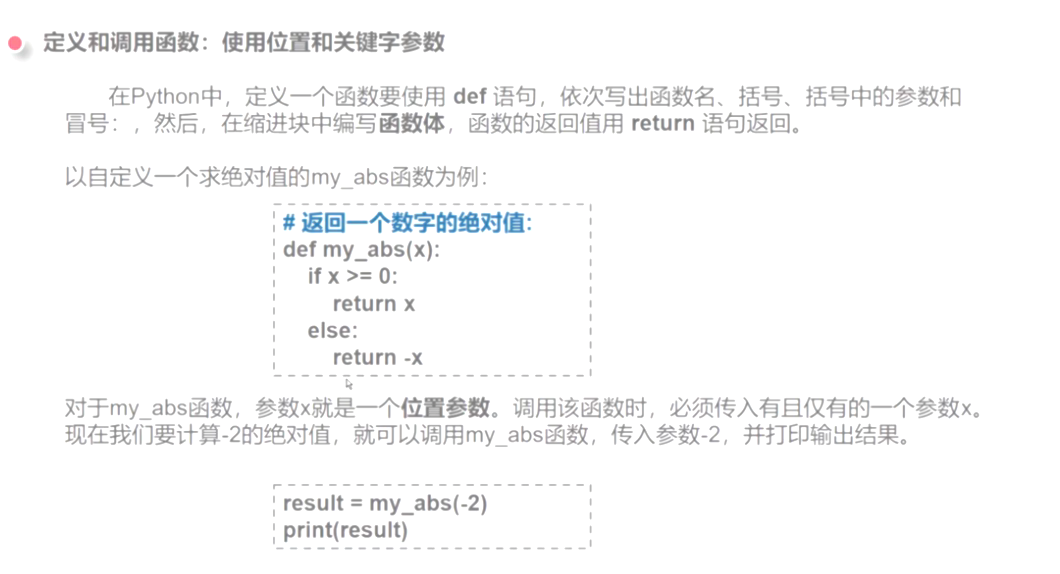
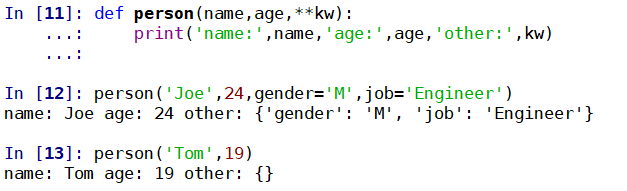
定义和调用函数:使用位置和关键字参数

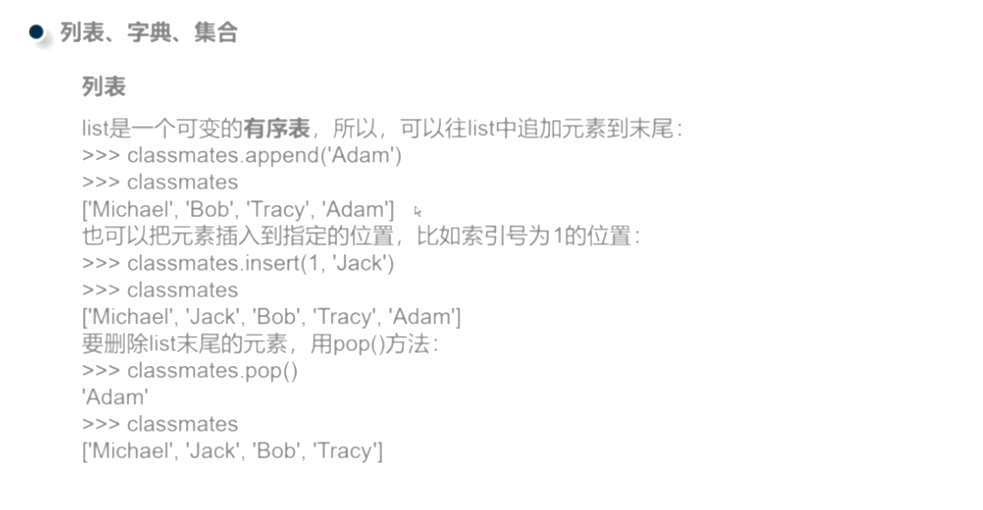
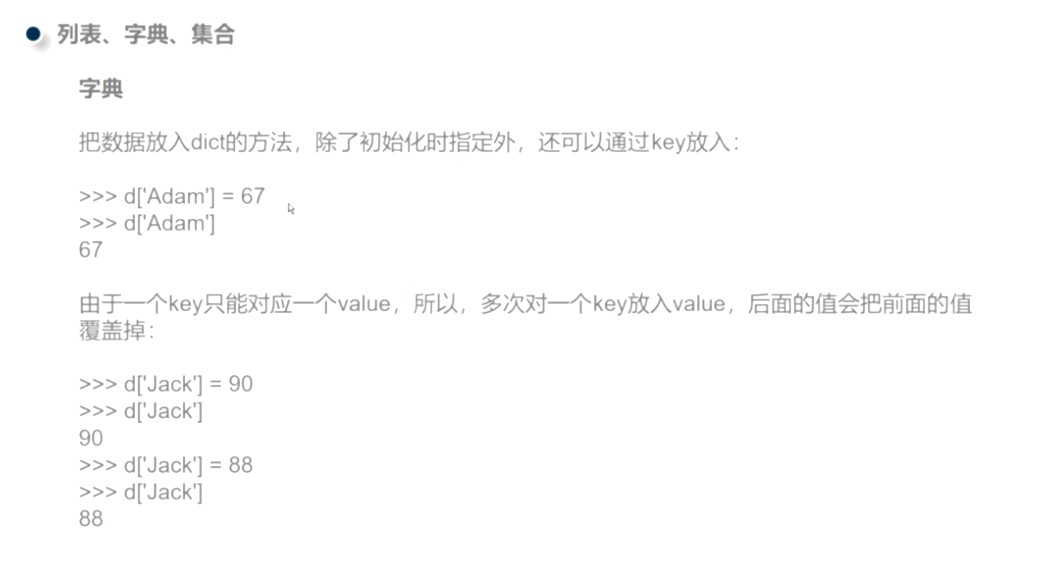
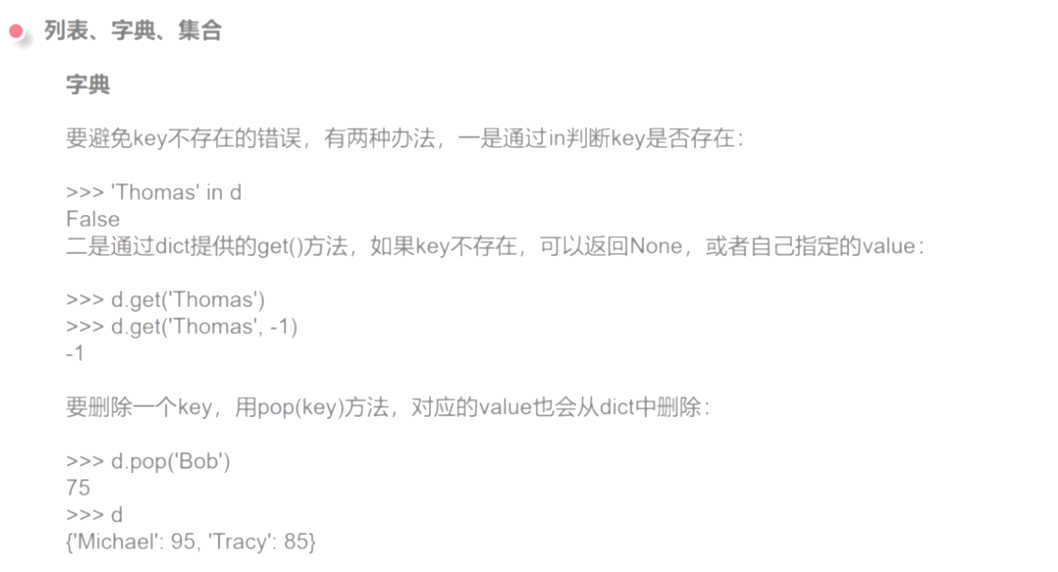
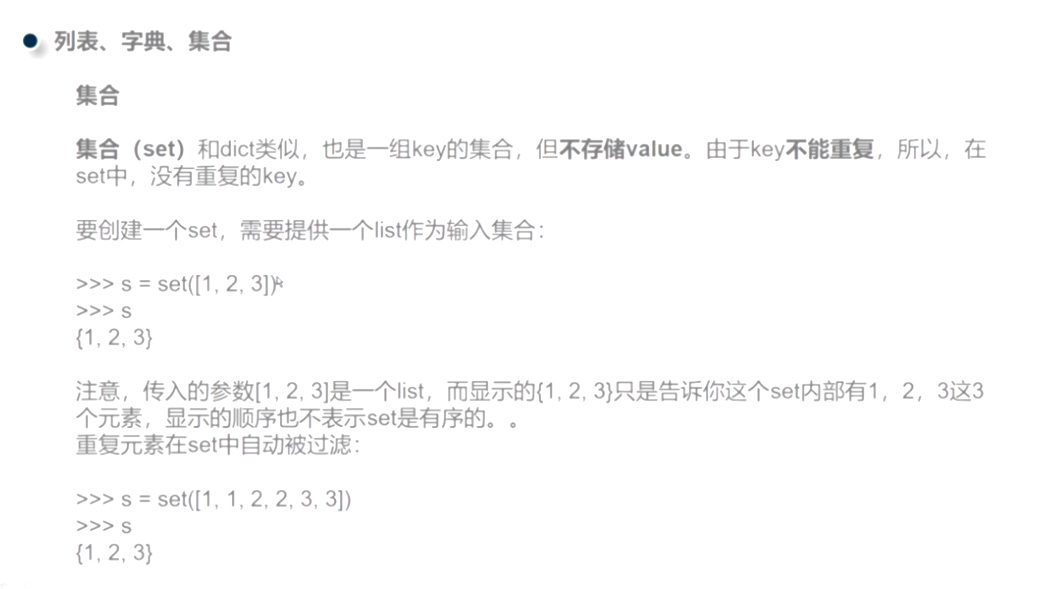
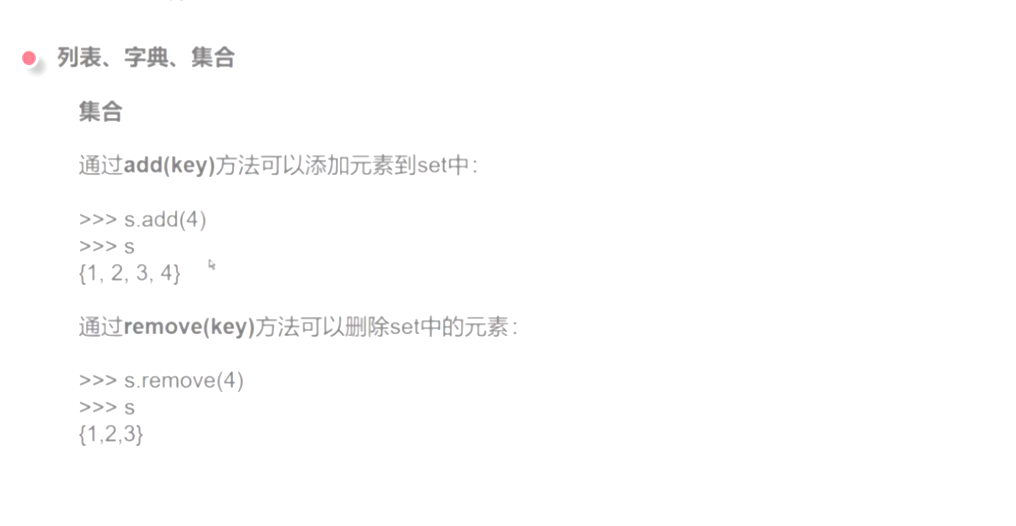
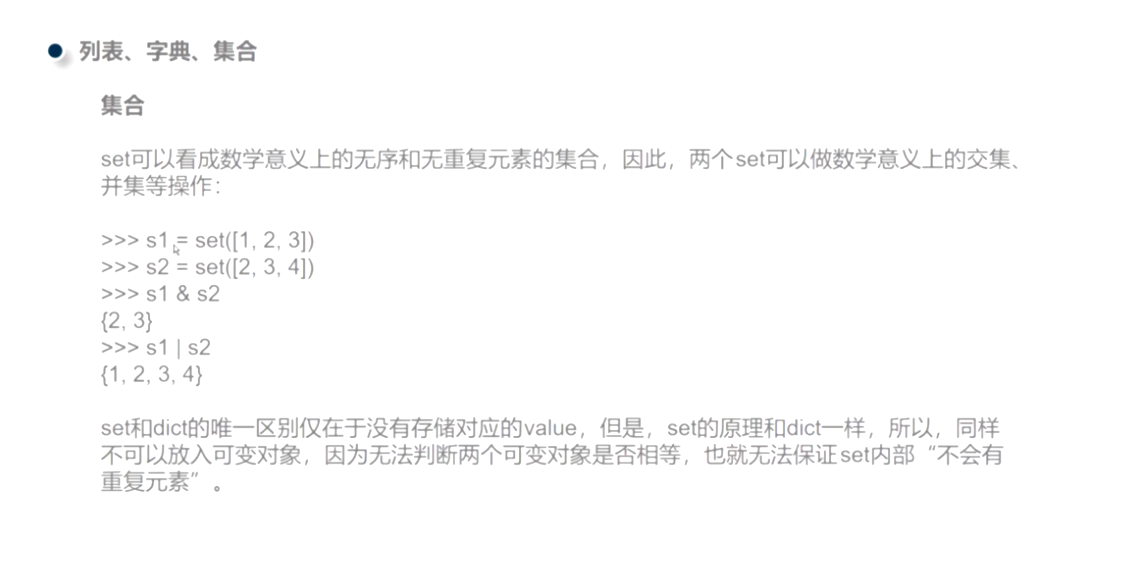
列表、字典、集合




若有收获,就点个赞吧
0 人点赞


