
谓语动词是listen to,主语应该是一个“人”
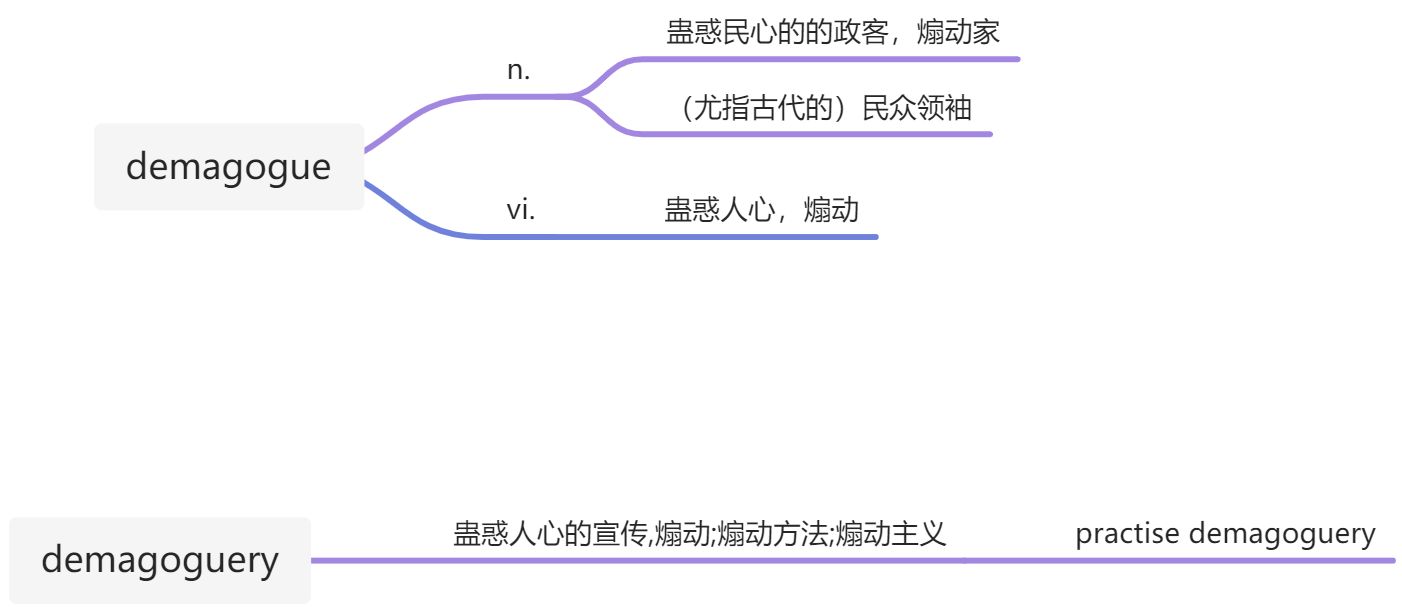
demagogue /ˈdeməɡɒɡ/
A demagogue /ˈdɛməɡɒɡ/ (from Greek δημαγωγός, a popular leader, a leader of a mob, from δῆμος, people, populace, the commons + ἀγωγός leading, leader) or rabble-rouser is a political leader in a democracy who gains popularity by arousing the common people against elites, especially through oratory that whips up the passions of crowds, appealing to emotion by scapegoating out-groups, exaggerating dangers to stoke fears, lying for emotional effect, or other rhetoric that tends to drown out reasoned deliberation and encourage fanatical popularity. Demagogues overturn established norms of political conduct, or promise or threaten to do so.
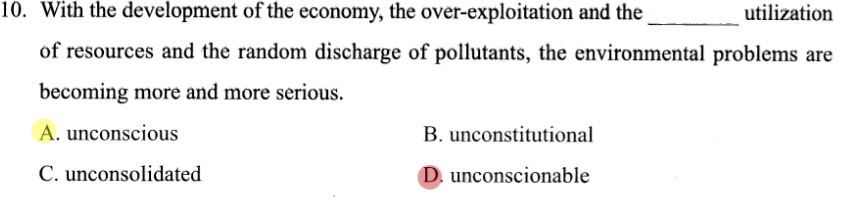
| unconscious | unconscionable |
|---|---|
| 无意识的,失去知觉的,不省人事的,未发觉的 | 不合理,昧着良心的,肆无忌惮的,过度的 |
- be unconscious of+danger/mistake - v. +sb+unconscious - unconscious+stones/impulse(无意识流露的感情)/neglect |
- unconscionable subterfuge/villain - a unconscionable number of |
unconsolidated+soil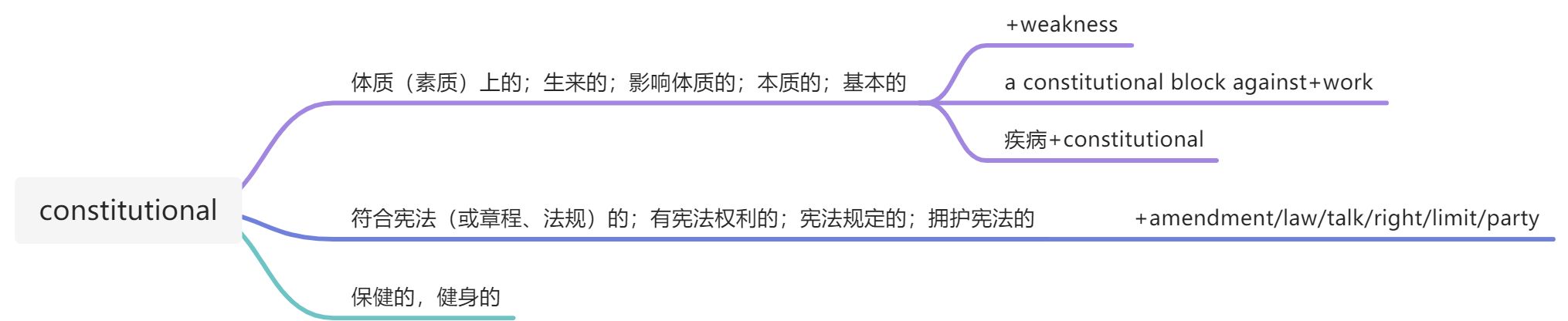
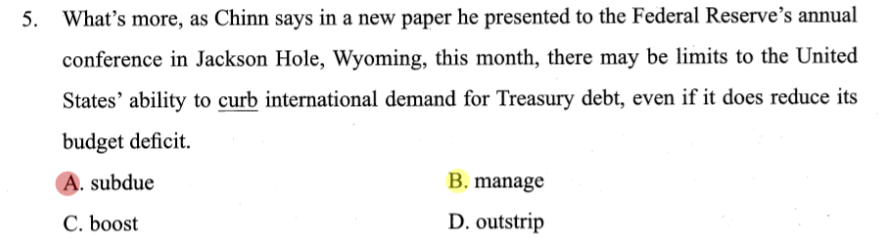
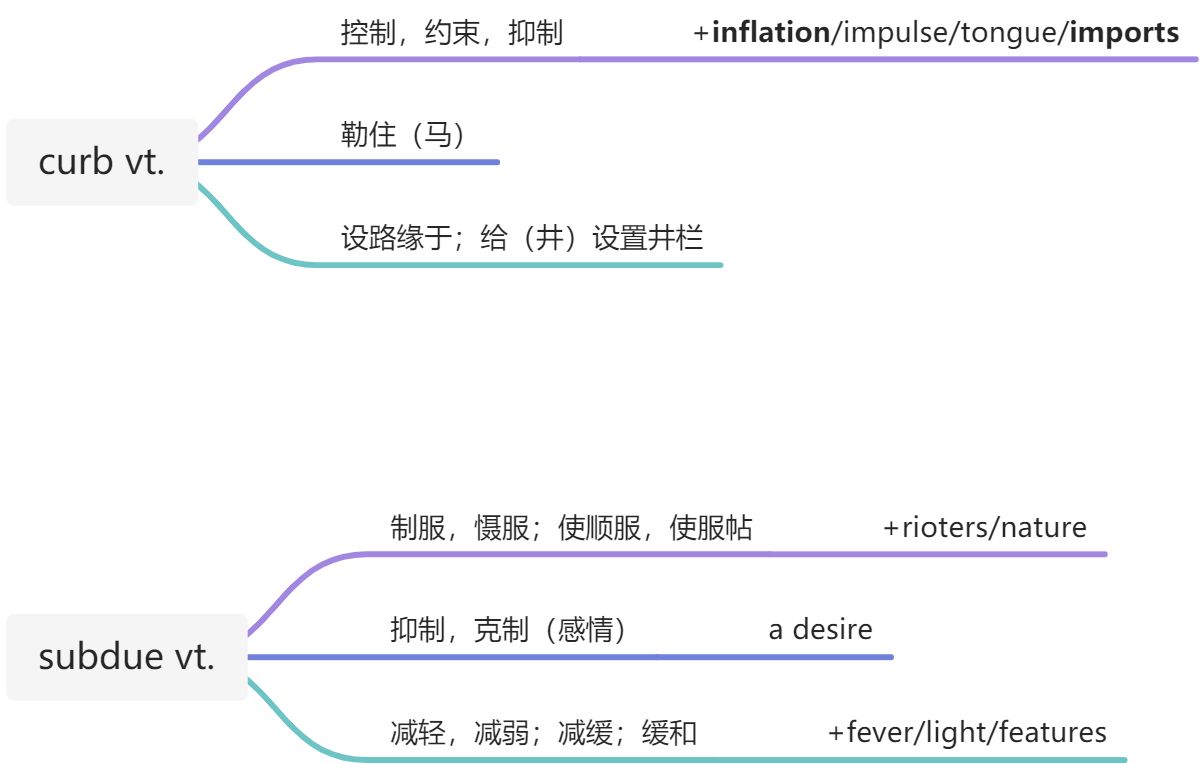
outstrip 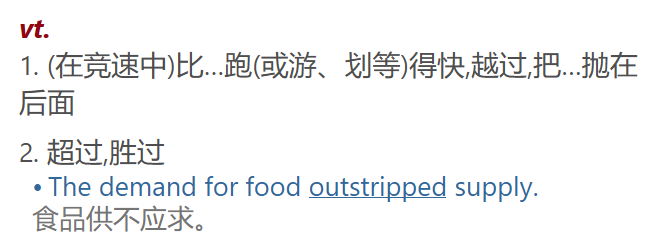
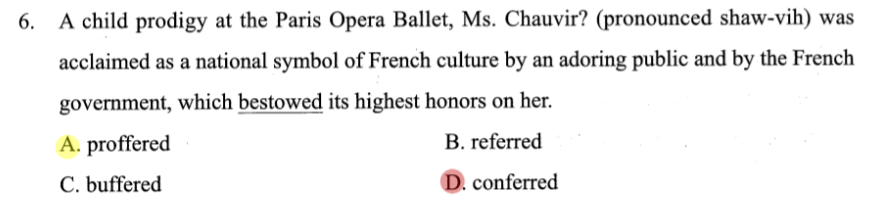
profer vs. confer
| proffer | confer |
|---|---|
| vt. 提供,贡献;提出 | vt. 1. 授予,赐给(称号、学位、权利) 2. 赋予,带来 |
- proffer sth. to sb. |
proffer to do sth.
- proffer+regrets(表示)
|
- bestow/confer+degree/honor on/upon sb.
- confer+地位、尊敬+on sb.
confer(带来)+benefits |
buffer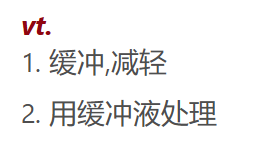
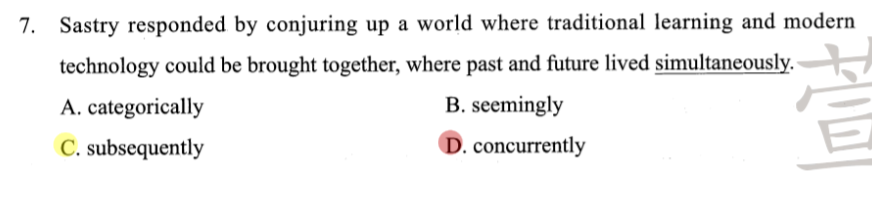
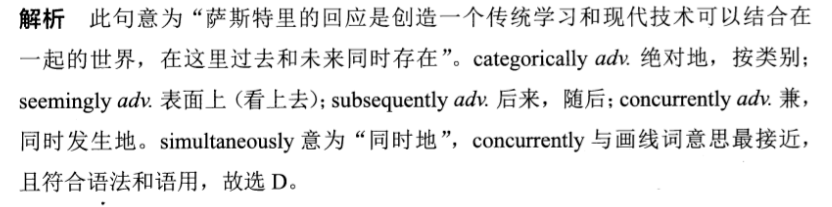

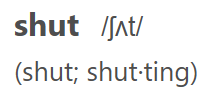

in orders 看成 in order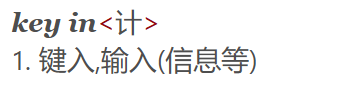



若有收获,就点个赞吧
0 人点赞


