递归形式遍历二叉树
// 前序遍历public static void preOrderRecur(Node head) {if (head == null) {return;}System.out.print(head.value + " ");preOrderRecur(head.left);preOrderRecur(head.right);}// 中序遍历public static void inOrderRecur(Node head) {if (head == null) {return;}inOrderRecur(head.left);System.out.print(head.value + " ");inOrderRecur(head.right);}// 后续遍历public static void posOrderRecur(Node head) {if (head == null) {return;}posOrderRecur(head.left);posOrderRecur(head.right);System.out.print(head.value + " ");}
非递归遍历
public static void preOrderUnRecur(Node head) {System.out.print("pre-order: ");if (head != null) {Stack<Node> stack = new Stack<Node>();stack.add(head);while (!stack.isEmpty()) {head = stack.pop();System.out.print(head.value + " ");if (head.right != null) {stack.push(head.right);}if (head.left != null) {stack.push(head.left);}}}System.out.println();}public static void inOrderUnRecur(Node head) {System.out.print("in-order: ");if (head != null) {Stack<Node> stack = new Stack<Node>();while (!stack.isEmpty() || head != null) {if (head != null) {stack.push(head);head = head.left;} else {head = stack.pop();System.out.print(head.value + " ");head = head.right;}}}System.out.println();}// 非递归-后序遍历双栈法public static void posOrderUnRecur1(Node head) {System.out.print("pos-order: ");if (head != null) {Stack<Node> s1 = new Stack<Node>();Stack<Node> s2 = new Stack<Node>();s1.push(head);while (!s1.isEmpty()) {head = s1.pop();s2.push(head);if (head.left != null) {s1.push(head.left);}if (head.right != null) {s1.push(head.right);}}while (!s2.isEmpty()) {System.out.print(s2.pop().value + " ");}}System.out.println();}// 非递归-单栈法public static void posOrderUnRecur2(Node h) {System.out.print("pos-order: ");if (h != null) {Stack<Node> stack = new Stack<Node>();stack.push(h);Node c = null;while (!stack.isEmpty()) {c = stack.peek();if (c.left != null && h != c.left && h != c.right) {stack.push(c.left);} else if (c.right != null && h != c.right) {stack.push(c.right);} else {System.out.print(stack.pop().value + " ");h = c;}}}System.out.println();}
格式统一非递归遍历
// 前序遍历 跟左右
public void preorderTraversal(TreeNode root) {
    Stack<TreeNode> stack = new Stack<>();
    List<Integer> res = new ArrayList<>();
    while (root != null || !stack.isEmpty()) {
        // go left down to the ground
        while (root != null) {
            res.add(root.val);
            stack.push(root);
            root = root.left;
        }
        root = stack.pop();
        root = root.right;
    }
}


// 中序遍历  左根右
public List<Integer> inorderTraversal(TreeNode root) {
    List<Integer> res = new ArrayList<>();
    Stack<TreeNode> stack = new Stack<>();
    while (root != null || !stack.isEmpty()) {
        while (root != null) {
            stack.push(root);
            root = root.left;
        }
        root = stack.pop();
        res.add(root.val);
        root = root.right;
    }
    return res;
}


// 后序遍历  左右跟,可以先通过根右左,然后反转成左右根
public List<Integer> postorderTraversal(TreeNode root) {
    List<Integer> res = new ArrayList<>();
    Stack<TreeNode> stack = new Stack<>();
    while (root != null || !stack.isEmpty()) {
        while (root != null) {
            res.add(root.val);
            stack.push(root);
            root = root.right;
        }
        root = stack.pop();
        root = cur.left;
    }
    Collections.reverse(res);
    return res;
}
打印二叉树
    public static void printTree(Node head) {
        System.out.println("Binary Tree:");
        printInOrder(head, 0, "H", 17);
        System.out.println();
    }

    public static void printInOrder(Node head, int height, String to, int len) {
        if (head == null) {
            return;
        }
        printInOrder(head.right, height + 1, "v", len);
        String val = to + head.value + to;
        int lenM = val.length();
        int lenL = (len - lenM) / 2;
        int lenR = len - lenM - lenL;
        val = getSpace(lenL) + val + getSpace(lenR);
        System.out.println(getSpace(height * len) + val);
        printInOrder(head.left, height + 1, "^", len);
    }

    public static String getSpace(int num) {
        String space = " ";
        StringBuffer buf = new StringBuffer("");
        for (int i = 0; i < num; i++) {
            buf.append(space);
        }
        return buf.toString();
    }
宽度遍历
public static void w(Node head) {
    if (head == null) return;
    Queue<Node> queue = new LinkedList<>();
    queue.add(head);
    while(!queue.isEmpty()) {
        Node cur = queue.poll();
        System.out.println(cur.value);
        if (cur.left != null) {
            queue.add(cur.left);
        }
        if (cur.right != null) {
            queue.add(cur.right);
        }
    }
}
二叉树的相关概念及其实现判断
如何判断一颗二叉树是否是搜索二叉树?
若它的左子树不空,则左子树上所有结点的值均小于它的根结点的值; 若它的右子树不空,则右子树上所有结点的值均大于它的根结点的值;
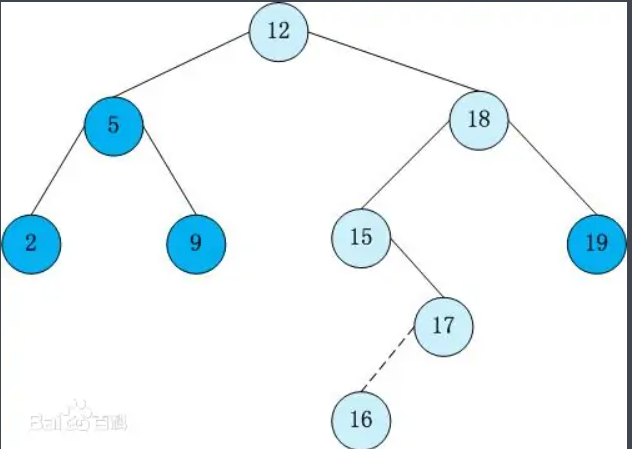
 public static int preValue = Integer.MIN_VALUE;
 public static boolean isBST(Node head) {
     if (head == null) return true;
     boolean isLeftBST = isBST(head.left);

     if (!isLeftBST) return false;

     if (head.value <= preValue) {
         return false;
     } else {
         preValue = head.value;
     }
     return isBST(head.right);

 }
如何判断一颗二叉树是完全二叉树?
 public static boolean isCBT(Node head) {
     if (head == null) {
         return true;
     }
     LinkedList<Node> queue = new LinkedList<>();
     boolean leaf = false;
     Node l = null;
     Node r = null;
     queue.add(head);
     while (!queue.isEmpty()) {
         head = queue.poll();
         l = head.left;
         r = head.right;
         if ((leaf && (l != null || r != null)) || (l == null && r != null)) {
             return false;
         }
         if (l != null) {
             queue.add(l);
         }
         if (r != null) {
             queue.add(r);
         } else {
             leaf = true;
         }
     }
     return true;
 }
如何判断一颗二叉树是否是满二叉树?
- 如何判断一颗二叉树是否是平衡二叉树?
平衡树(Balance Tree,BT) 指的是,任意节点的子树的高度差都小于等于1。
    public static boolean isBalanced(Node head) {
        return process(head).isBalanced;
    }

    public static class ReturnType {
        public boolean isBalanced;
        public int height;

        public ReturnType(boolean isB, int hei) {
            isBalanced = isB;
            height = hei;
        }
    }

    public static ReturnType process(Node x) {
        if (x == null) {
            return new ReturnType(true, 0);
        }
        ReturnType leftData = process(x.left);
        ReturnType rightData = process(x.right);
        int height = Math.max(leftData.height, rightData.height);
        boolean isBalanced = leftData.isBalanced && rightData.isBalanced
                && Math.abs(leftData.height - rightData.height) < 2;
        return new ReturnType(isBalanced, height);
    }
多练习树型DP的题
只要可以通过向左树要信息,向右树要信息,可以解决问题的题都可以利用上面的套路
给定两个二叉树的节点node1和node2,找到他们的最低公共祖先节点
    public static Node lowestAncestor(Node head, Node o1, Node o2) {
        if (head == null || head == o1 || head == o2) {
            return head;
        }
        Node left = lowestAncestor(head.left, o1, o2);
        Node right = lowestAncestor(head.right, o1, o2);
        if (left != null && right != null) {
            return head;
        }
        return left != null ? left : right;
    }
在二叉树中找到一个节点的后继节点
【题目】现在有一种新的二叉树节点类型如下:
public class Node {
    public int value;
    public Node left;
    public Node right;
    public Node parent;
    public Node (int val) {
        value = val;
    }
}
该结构比普通二叉树节点结构多了一个指向父节点的parent指针。
假设有一棵Node类型的节点组成的二叉树,树中每个节点的parent指针都正确地指向自己的父节点,头节点的parent指向null。
只给一个在二叉树中的某个节点node,请实现返回node的后继节点的函数。
在二叉树的中序遍历的序列中,node的下一个节点叫作node的后继节点。
    public static Node getSuccessorNode(Node node) {
        if (node == null) {
            return node;
        }
        if (node.right != null) {
            return getLeftMost(node.right);
        } else {
            Node parent = node.parent;
            while (parent != null && parent.left != node) {
                node = parent;
                parent = node.parent;
            }
            return parent;
        }
    }

    public static Node getLeftMost(Node node) {
        if (node == null) {
            return node;
        }
        while (node.left != null) {
            node = node.left;
        }
        return node;
    }
给定一个二叉树,找出其最大深度。二叉树的深度为根节点到最远叶子节点的最长路径上的节点数。
递归
class Solution {
 public int maxDepth(TreeNode root) {
     if (root == null) {
         return 0;
     }
     int left = maxDepth(root.left);
     int right = maxDepth(root.right);
     return Math.max(left, right) + 1;
 }
}
BFS
class Solution {
 public int maxDepth(TreeNode root) {
     if (root == null) {
         return 0;
     }
     int level = 0;
     Queue<TreeNode> queue = new LinkedList<TreeNode>();
     queue.add(root);
     while (!queue.isEmpty()) {
         int size = queue.size();
         level++;
         for (int i = 0; i < size; i++) {
             TreeNode node = queue.remove();
             if (node.left != null) queue.add(node.left);
             if (node.right != null) queue.add(node.right);
         }
     }
     return level;
 }
}
DFS
class Solution {
 int maxLevel = 0;

 public int maxDepth(TreeNode root) {
     if (root == null) {
         return 0;
     }
     dfs(root, 1);
     return maxLevel;
 }

 public void dfs(TreeNode root, int level) {
     if (root == null)
         return;
     if (level > maxLevel) maxLevel = level;
     dfs(root.left, level + 1);
     dfs(root.right, level + 1);
 }
}

若有收获,就点个赞吧
0 人点赞


