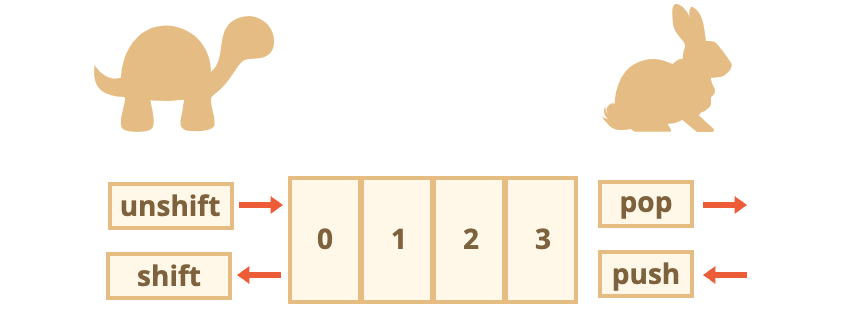
基本数据结构
队列
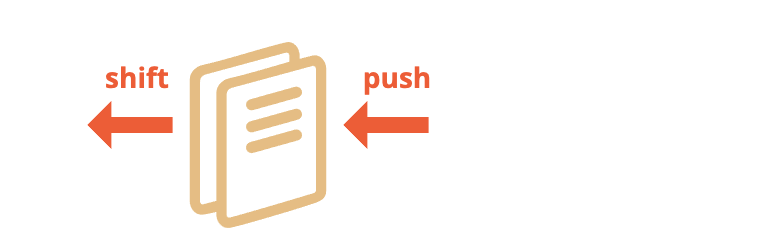
特点: 先进先出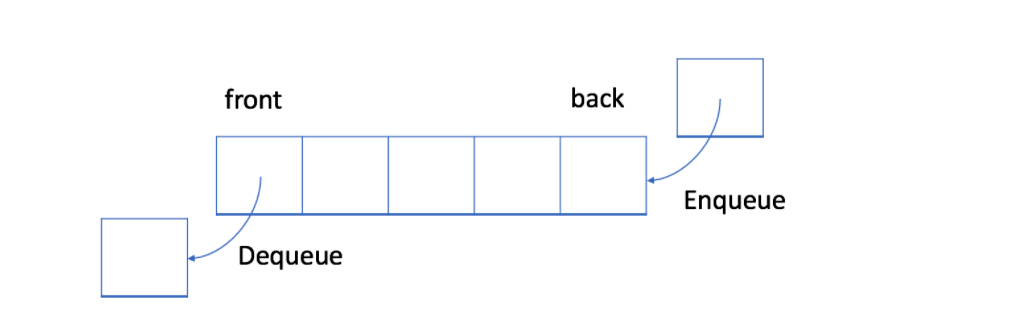
class Queue {constructor() {this.dataSource = [];}enqueue(ele) {this.dataSource.push(ele);}dequeue() {return this.dataSource.shift();}back() {return this.dataSource[this.dataSource.length - 1];}font() {return this.dataSource[0];}isEmpty() {return this.dataSource.length === 0;}toString() {return this.dataSource.toString();}}const queue = new Queue();queue.enqueue('guan');queue.enqueue('qing');queue.enqueue('chao');console.log(queue.toString());console.log(queue.dequeue());
栈
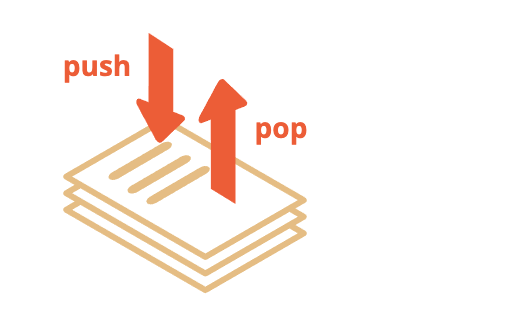
特点:先进后出
class Stack {constructor() {this.dataSource = [];}push(ele) {this.dataSource.push(ele);}pop() {return this.dataSource.pop();}//获取栈顶元素peek() {return this.dataSource[this.dataSource.length - 1];}clear() {this.dataSource.length = 0;}length() {return this.dataSource.length;}toString() {return this.dataSource.toString();}isEmpty(){return this.dataSource.length===0;}}const stack = new Stack();stack.push('guan');stack.push('qing');stack.push('chao');console.log(stack.toString());console.log(stack.pop());console.log(stack.peek());
练习题目
循环队列
设计你的循环队列实现。 循环队列是一种线性数据结构,其操作表现基于 FIFO(先进先出)原则并且队尾被连接在队首之后以形成一个循环。它也被称为“环形缓冲器”。
循环队列的一个好处是我们可以利用这个队列之前用过的空间。在一个普通队列里,一旦一个队列满了,我们就不能插入下一个元素,即使在队列前面仍有空间。但是使用循环队列,我们能使用这些空间去存储新的值。
你的实现应该支持如下操作:
- MyCircularQueue(k): 构造器,设置队列长度为 k 。
- Front: 从队首获取元素。如果队列为空,返回 -1 。
- Rear: 获取队尾元素。如果队列为空,返回 -1 。
- enQueue(value): 向循环队列插入一个元素。如果成功插入则返回真。
- deQueue(): 从循环队列中删除一个元素。如果成功删除则返回真。
- isEmpty(): 检查循环队列是否为空。
- isFull(): 检查循环队列是否已满。
MyCircularQueue circularQueue = new MycircularQueue(3); // 设置长度为 3circularQueue.enQueue(1); // 返回 truecircularQueue.enQueue(2); // 返回 truecircularQueue.enQueue(3); // 返回 truecircularQueue.enQueue(4); // 返回 false,队列已满circularQueue.Rear(); // 返回 3circularQueue.isFull(); // 返回 truecircularQueue.deQueue(); // 返回 truecircularQueue.enQueue(4); // 返回 truecircularQueue.Rear(); // 返回 4
有效的括号
给定一个只包括 ‘(‘,’)’,’{‘,’}’,’[‘,’]’ 的字符串 s ,判断字符串是否有效。
有效字符串需满足:
左括号必须用相同类型的右括号闭合。
左括号必须以正确的顺序闭合。
//case: ()[]{}// 思路: 遇到左括号push相应的右括号,右括号,判断栈顶元素是否跟当前右括号相等var isValid = function(s) {var stack = new Stack();for(var i = 0; i<s.length; i++){//碰到左括号,push右括号if(s[i] === "(") {stack.push(")");} else if(s[i] === "[") {stack.push("]");} else if(s[i] === "{") {stack.push("}");} else{//不是左括号,判断栈是否为空或栈顶元素是否等当前元素if(!stack.isEmpty || stack.peek() != s[i]){return false}else{stack.pop()}}}return !stack.top;};
最小栈
设计一个支持 push ,pop ,top 操作,并能在常数时间内检索到最小元素的栈。
push(x) —— 将元素 x 推入栈中。
pop() —— 删除栈顶的元素。
top() —— 获取栈顶元素。
getMin() —— 检索栈中的最小元素。
示例:
输入:["MinStack","push","push","push","getMin","pop","top","getMin"][[],[-2],[0],[-3],[],[],[],[]]输出:[null,null,null,null,-3,null,0,-2]解释:MinStack minStack = new MinStack();minStack.push(-2);minStack.push(0);minStack.push(-3);minStack.getMin(); --> 返回 -3.minStack.pop();minStack.top(); --> 返回 0.minStack.getMin(); --> 返回 -2.
思路:定义两个栈 smain, smin, smin栈顶始终是最小元素, 同时进行push pop 操作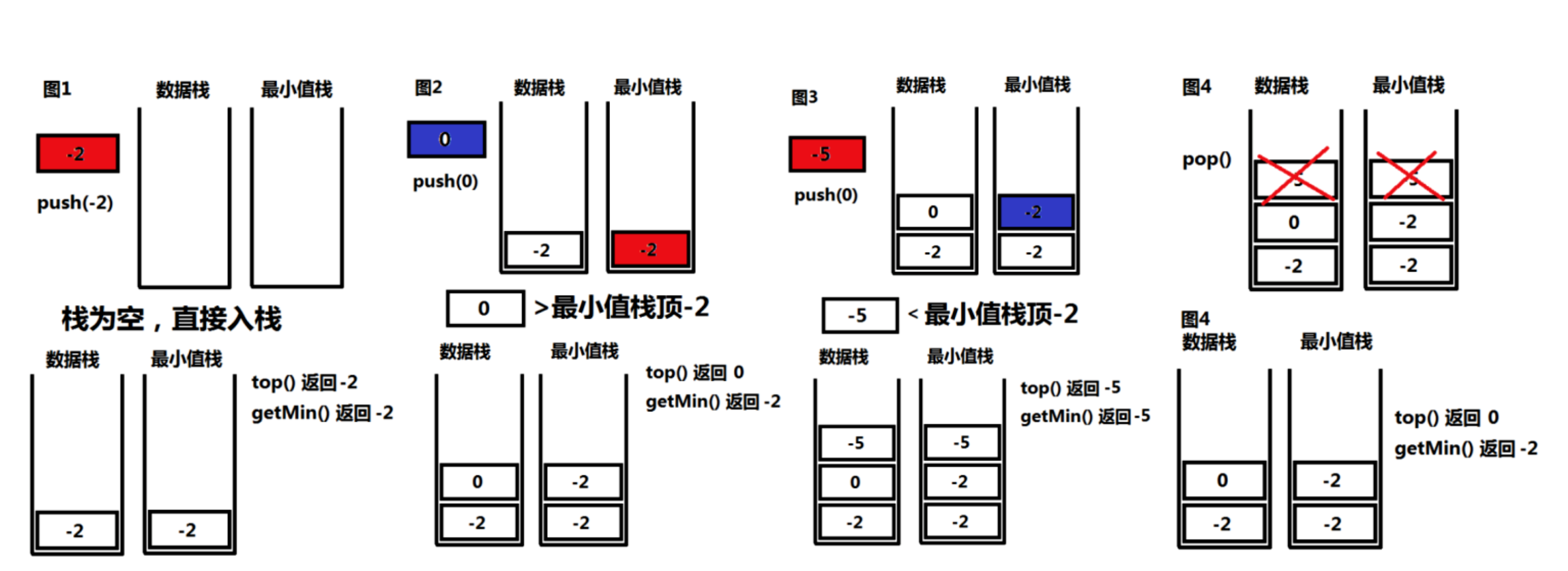
var MinStack = function() {this.smain = [];this.smin = [];};/*** @param {number} x* @return {void}*/MinStack.prototype.push = function(x) {var smain = this.smain;var smin = this.smin;smain.push(x);if (smin.length === 0) {smin.push(x);} else if (x < smin[smin.length-1]) {smin.push(x);}else {smin.push(smin[smin.length-1]);}};/*** @return {void}*/MinStack.prototype.pop = function() {var smain = this.smain;var smin = this.smin;smain.pop();smin.pop();};/*** @return {number}*/MinStack.prototype.top = function() {var smain = this.smain;// var smin = this.smin;return smain[smain.length-1];};/*** @return {number}*/MinStack.prototype.getMin = function() {// var smain = this.smain;var smin = this.smin;return smin[smin.length-1];};
232. 用栈实现队列
请你仅使用两个栈实现先入先出队列。队列应当支持一般队列支持的所有操作(push、pop、peek、empty):
实现 MyQueue 类: void push(int x) 将元素 x 推到队列的末尾 int pop() 从队列的开头移除并返回元素 int peek() 返回队列开头的元素 boolean empty() 如果队列为空,返回 true ;否则,返回 false
说明: 你只能使用标准的栈操作 —— 也就是只有 push to top, peek/pop from top, size, 和 is empty 操作是合法的。 你所使用的语言也许不支持栈。你可以使用 list 或者 deque(双端队列)来模拟一个栈,只要是标准的栈操作即可。
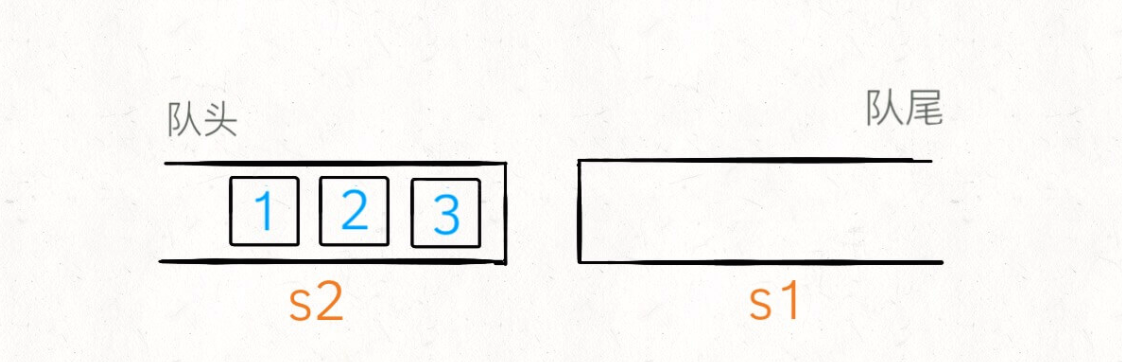
思路: 用两个栈来实现队列

// 使用两个数组的栈方法(push, pop) 实现队列/*** Initialize your data structure here.*/var MyQueue = function() {this.stack1 = [];this.stack2 = [];};/*** Push element x to the back of queue.* @param {number} x* @return {void}*/MyQueue.prototype.push = function(x) {this.stack1.push(x);};/*** Removes the element from in front of queue and returns that element.* @return {number}*/MyQueue.prototype.pop = function() {const size = this.stack2.length;if(size) {return this.stack2.pop();}while(this.stack1.length) {this.stack2.push(this.stack1.pop());}return this.stack2.pop();};/*** Get the front element.* @return {number}*/MyQueue.prototype.peek = function() {const x = this.pop();this.stack2.push(x);return x;};/*** Returns whether the queue is empty.* @return {boolean}*/MyQueue.prototype.empty = function() {return !this.stack1.length && !this.stack2.length};
https://labuladong.github.io/algo/2/20/51/
var MyStack = function() {
    this.stack = []
}

/**
 * Push element x onto stack.
 * @param {number} x
 * @return {void}
 */
MyStack.prototype.push = function(x) {
    return this.stack[this.stack.length] = x
}

/**
 * Removes the element on top of the stack and returns that element.
 * @return {number}
 */
MyStack.prototype.pop = function() {
    const remove = this.stack[this.stack.length - 1]
    this.stack.length -= 1
    return remove
}

/**
 * Get the top element.
 * @return {number}
 */
MyStack.prototype.top = function() {
    return this.stack[this.stack.length - 1]
}

/**
 * Returns whether the stack is empty.
 * @return {boolean}
 */
MyStack.prototype.empty = function() {
    if (this.stack.length === 0) {
        return true
    } else {
        return false
    }
}

/**
 * Your MyStack object will be instantiated and called as such:
 * var obj = new MyStack()
 * obj.push(x)
 * var param_2 = obj.pop()
 * var param_3 = obj.top()
 * var param_4 = obj.empty()
 */

若有收获,就点个赞吧
0 人点赞


