AOP术语
| 名词 | 解释 |
|---|---|
| Joinpoint 连接点 | 可以用于把增强代码加入到业务主线中的点。 这些点指的就是方法,在方法执行的前后通过动态代理技术加入增强的代码。 在Spring框架AOP思想的技术实现中,也只支持方法类型的Joinpoint。 |
| Pointcut 切入点 | 已经把增强代码加入到业务主线进来之后的连接点。 |
| Advice 通知/增强 | 切面类中用于提供增强功能的方法,且不同的方法增强的时机是不一样的。 如,开启事务肯定要在业务方法执行之前执行,提交事务要在业务方法正常执行之后执行,回滚事务要在业务方法执行产生异常之后执行。 分类: - 前置通知 - aop:before - 最终通知 - aop:after - 环绕通知 - aop:around - 正常执行通知 - aop:after-returning - 异常执行通知 - aop:after-throwing |
| Target 目标对象 | 代理的目标对象,即被代理对象。 |
| Proxy 代理 | 一个类被AOP织入增强后产生的代理类,即代理对象。 |
| Weaving 织入 | 把增强应用到目标对象来创建新的代理对象的过程。 Spring采用动态代理织入,AspectJ采用编译期织入和类装载期织入。 |
| Aspect 切面 | 增强的代码所关注的方法,把这些相关的增强代码定义到一个类中,这个类就是切面类。 如,事务切面,里面定义的方法就是和事务相关的,比如开始事务、提交事务、回滚事务。 |
Spring AOP的三种模式
纯xml模式
一个demo:
<!--Spring基于XML的AOP配置前期准备:在spring的配置文件中加入aop的约束xmlns:aop="http://www.springframework.org/schema/aop"http://www.springframework.org/schema/aophttps://www.springframework.org/schema/aop/spring-aop.xsdSpring基于XML的AOP配置步骤:第一步:把通知Bean交给Spring管理第二步:使用aop:config开始aop的配置第三步:使用aop:aspect配置切面第四步:使用对应的标签配置通知的类型入⻔案例采用前置通知,标签为aop:before--><!--把通知bean交给spring来管理--><bean id="logUtil" class="com.lagou.utils.LogUtil"></bean><!--开始aop的配置--><aop:config><!--配置切面--><aop:aspect id="logAdvice" ref="logUtil"><!--配置前置通知--><aop:before method="printLog" pointcut="execution(public * com.lagou.service.impl.TransferServiceImpl.updateAccountByCardNo(com.lagou.pojo.Account))" /></aop:aspect></aop:config>
xml+注解模式
需要在xml里开启Spring对注解AOP的支持:
<!--开启spring对注解aop的支持-->
<aop:aspectj-autoproxy/>
一个demo:
/**
 * 模拟记录日志 * @author 应癫 */
@Component
@Aspect
public class LogUtil {
    /**
     * 我们在xml中已经使用了通用切入点表达式,供多个切面使用,那么在注解中如何使用呢?
     * 第一步:编写一个方法
     * 第二步:在方法使用@Pointcut注解
     * 第三步:给注解的value属性提供切入点表达式
     * 细节:
     * 1.在引用切入点表达式时,必须是方法名+(),例如"pointcut()"。
     * 2.在当前切面中使用,可以直接写方法名。在其他切面中使用必须是全限定方法名。
     */
    @Pointcut("execution(* com.lagou.service.impl.*.*(..))")
    public void pointcut() {
    }

    @Before("pointcut()")
    public void beforePrintLog(JoinPoint jp) {
        Object[] args = jp.getArgs();
        System.out.println("前置通知:beforePrintLog,参数是:" + Arrays.toString(args));
    }

    @AfterReturning(value = "pointcut()", returning = "rtValue")
    public void afterReturningPrintLog(Object rtValue) {
        System.out.println("后置通知:afterReturningPrintLog,返回值 是:" + rtValue);
    }

    @AfterThrowing(value = "pointcut()", throwing = "e")
    public void afterThrowingPrintLog(Throwable e) {
        System.out.println("异常通知:afterThrowingPrintLog,异常是:" + e);
    }

    @After("pointcut()")
    public void afterPrintLog() {
        System.out.println("最终通知:afterPrintLog");
    }

    /**
     * 环绕通知
     *
     * @param pjp * @return
     */
    @Around("pointcut()")
    public Object aroundPrintLog(ProceedingJoinPoint pjp) {
        //定义返回值
        Object rtValue = null;
        try {
            //前置通知 System.out.println("前置通知");
            //1.获取参数
            Object[] args = pjp.getArgs();


            //2.执行切入点方法
            rtValue = pjp.proceed(args);
            //后置通知
            System.out.println("后置通知");
        } catch (Throwable t) {
            //异常通知
            System.out.println("异常通知"); t.printStackTrace();
        } finally { //最终通知
            System.out.println("最终通知");
        }
        return rtValue;
    }
}
注解模式
把:
<!--开启spring对注解aop的支持-->
<aop:aspectj-autoproxy/>
替换为:
/**
 * @author 应癫
 */
@Configuration
@ComponentScan("com.lagou")
@EnableAspectJAutoProxy //开启spring对注解AOP的支持
public class SpringConfiguration {
}
即可。
Spring声明式事务的支持
事务
事务指逻辑上的一组操作,组成这组操作的各个单元,要么全部成功,要么全部不成功,从而确保数据的准确与安全。
事务的四大特性
- 原子性(Atomicity)
- 一致性(Consistency)
- 隔离性(Isolation)
- 持久性(Durability)
事务的隔离级别
如果不考虑事务的隔离级别,可能会出现脏读、幻读等情况。
数据库定义了四种事务的隔离级别:
- 串行化(Serializable)
- 可重复读(Repeatable read)
- 读已提交(Read committed)
- 读未提交(Read uncommitted)
级别越高,效率越低。
MySQL的默认隔离级别是可重复读。
查询当前使用的隔离级别:select @@tx_isolation;
设置MySQL事务的隔离级别:set session transaction isolation level xxx;
事务的传播行为
A和B两个service层的方法都添加了事务控制,如果A调用B,就需要进行事务的一些协商,这叫做事务的传播行为。
此时,我们站在B的角度来观察定义事务的传播行为。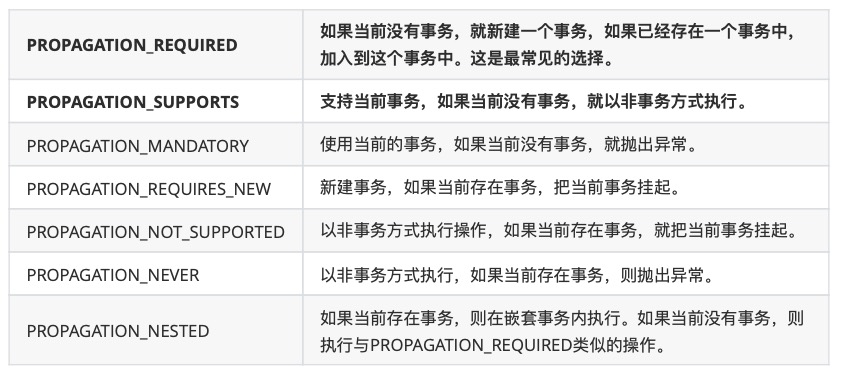
Spring中事务的API
MyBatis:sqlSession.commit();
Hibernate:session.commit();
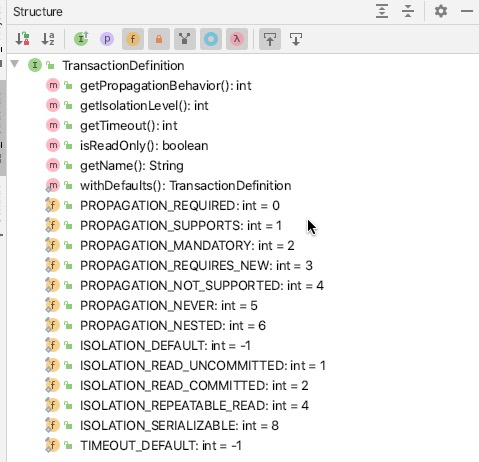
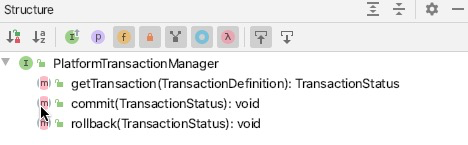
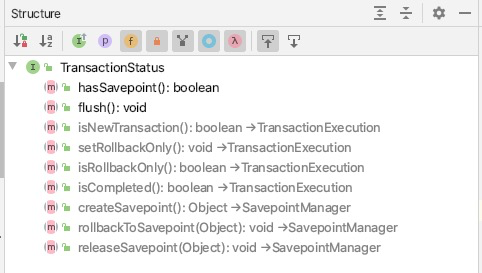
Spring事务管理最核心的三个API:
- TransactionDefinition
- PlatformTransactionManager
- TransactionStatus
Spring声明式事务配置
需要以下jar包支持:
spring-contextaspectjweaverspring-jdbcspring-tx
纯xml模式
一个demo:
<tx:advice id="txAdvice" transaction-manager="transactionManager">
    <!--定制事务细节,传播行为、隔离级别等-->
    <tx:attributes>
        <!--一般性配置-->
        <tx:method name="*" read-only="false" propagation="REQUIRED" isolation="DEFAULT" timeout="-1"/>
        <!--针对查询的覆盖性配置-->
        <tx:method name="query*" read-only="true" propagation="SUPPORTS"/>
    </tx:attributes>
</tx:advice>

<aop:config>
    <!--advice-ref指向增强=横切逻辑+方位-->
    <aop:advisor advice-ref="txAdvice" pointcut="execution(* com.lagou.edu.service.impl.TransferServiceImpl.*(..))"/>
</aop:config>
xml+注解模式
 <!--配置事务管理器-->
<bean id="transactionManager" class="org.springframework.jdbc.datasource.DataSourceTransactionManage r">
    <property name="dataSource" ref="dataSource"></property>
</bean>

<!--开启spring对注解事务的支持-->
<tx:annotation-driven transaction-manager="transactionManager"/>
然后在接口、类或者方法上添加@Transactional注解即可。
@Transactional(readOnly = true,propagation = Propagation.SUPPORTS)
纯注解模式
把:
<tx:annotation-driven transaction-manager="transactionManager"/>
替换为注解@EnableTransactionManagement即可。

若有收获,就点个赞吧
0 人点赞


