单链表链表结构的实现

class Node {constructor(value) {this.value = value;this.next = null;}}class LinkedList {constructor() {this.length = 0;this.head = null;}equalsFn(a, b) {return a === b;}}
功能
- push(element):向链表尾部添加一个新元素。
- insert(element, position):向链表的特定位置插入一个新元素。
- getElementAt(index):返回链表中特定位置的元素。如果链表中不存在这样的元素,则返回undefined。
- remove(element):从链表中移除一个元素。
- indexOf(element):返回元素在链表中的索引。如果链表中没有该元素则返回-1。
- removeAt(position):从链表的特定位置移除一个元素。
- isEmpty():如果链表中不包含任何元素,返回true,如果链表长度大于0 则返回false。
- size():返回链表包含的元素个数,与数组的length 属性类似。
- toString():返回表示整个链表的字符串。由于列表项使用了Node 类,就需要重写继承自JavaScript 对象默认的toString 方法,让其只输出元素的值。
push
push(val) {let newNode = new Node(val);let curr;if (!this.head) { // 刚开始链表为空,就把这个设置为headthis.head = newNode;} else {curr = this.head;while (curr.next) { // 一直找到链表末尾curr = curr.next;}curr.next = newNode;}this.length++;}
removeAt
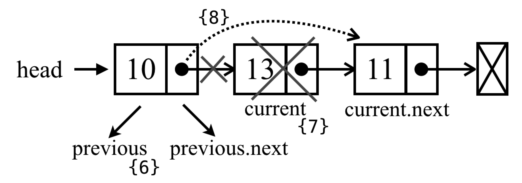
removeAt(index) {if (index < this.length && index >= 0) {let curr = this.head;if (index === 0) {this.head = curr.next;} else {// 找到index前一个后停止,下一个就是要删除的结点for (let i = 1; i < index; i++) {curr = curr.next;}let beRemove = curr.next;// 改变要被删除结点的上一个结点的指向curr.next = beRemove.next;this.length--;return beRemove;}}}
getElementAt
getElementAt(index) {if (index < this.length && index >= 0) {let curr = this.head;if (index === 0) return curr;else {for (let i = 1; i <= index; i++) {curr = curr.next;}return curr;}}}
重写removeAt
removeAt(index) {let curr = this.getElementAt(index - 1);curr.next = curr.next.next;
insert
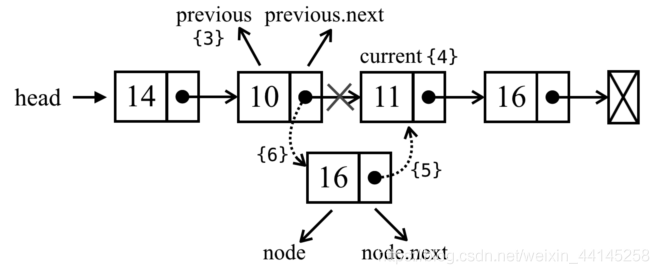
insert(index, value) {let newNode = new Node(value);if (index < this.length && index >= 0) {let curr = this.head;if (index === 0) { // index 为0,改变头结点指向就行了this.head = newNode;this.head.next = curr;} else {// 找到插入位置的前一个,for (let i = 1; i < index; i++) {curr = curr.next;}let nextNode = curr.next;curr.next = newNode;newNode.next = nextNode;}this.length++;}}
indexOf
indexOf(value) {let curr = this.head; // 存入headif (this.equalsFn(curr.value, value)) {return 0;}for (let i = 1; i < this.length; i++) {curr = curr.next;if (this.equalsFn(curr.value, value)) {return i;}}return -1;}
removeValue
removeValue(value) {let curr = this.head;let prev = null;if (this.equalsFn(curr.value, value)) {this.head = curr.next;this.length--;}for (let i = 1; i < this.length; i++) {prev = curr;curr = curr.next;if (this.equalsFn(curr.value, value)) {prev.next = curr.next;this.length--;}}return undefined;}
toString
toString() {let objString = "";let curr = this.head;if (!curr) {return objString;} else {objString = `${curr.value}`;for (let i = 1; i < this.length; i++) {curr = curr.next;objString = `${objString}, ${curr.value}`;}return objString;}}
完整代码
class Node {constructor(value) {this.value = value;this.next = null;}}class LinkedList {constructor() {this.length = 0;this.head = null;}equalsFn(a, b) {return a === b;}push(val) {let newNode = new Node(val);let curr;if (!this.head) { // 刚开始链表为空,就把这个设置为headthis.head = newNode;} else {curr = this.head;while (curr.next) { // 一直找到链表末尾curr = curr.next;}curr.next = newNode;}this.length++;}removeAt(index) {let curr = this.getElementAt(index - 1);curr.next = curr.next.next;}getElementAt(index) {if (index < this.length && index >= 0) {let curr = this.head;if (index === 0) return curr;else {for (let i = 1; i <= index; i++) {curr = curr.next;}return curr;}}}insert(index, value) {let newNode = new Node(value);if (index < this.length && index >= 0) {let curr = this.head;if (index === 0) { // index 为0,改变头结点指向就行了this.head = newNode;this.head.next = curr;} else {// 找到插入位置的前一个,for (let i = 1; i < index; i++) {curr = curr.next;}let nextNode = curr.next;curr.next = newNode;newNode.next = nextNode;}this.length++;} else {throw "索引值错误";}}indexOf(value) {let curr = this.head; // 存入headif (this.equalsFn(curr.value, value)) {return 0;}for (let i = 1; i < this.length; i++) {curr = curr.next;if (this.equalsFn(curr.value, value)) {return i;}}return -1;}removeValue(value) {let curr = this.head;let prev = null;if (this.equalsFn(curr.value, value)) {this.head = curr.next;this.length--;}for (let i = 1; i < this.length; i++) {prev = curr;curr = curr.next;if (this.equalsFn(curr.value, value)) {prev.next = curr.next;this.length--;}}return undefined;}toString() {let objString = "";let curr = this.head;if (!curr) {return objString;} else {objString = `${curr.value}`;for (let i = 1; i < this.length; i++) {curr = curr.next;objString = `${objString}, ${curr.value}`;}return objString;}}getHead() {return this.head;}isEmpty() {return this.length === 0 ? true : false;}size() {return this.length;}}let linkedList = new LinkedList();linkedList.push("a");linkedList.push("b");linkedList.push("c");// linkedList.removeAt(1);linkedList.insert(1, "aa");console.log(linkedList.getElementAt(2));console.log(linkedList.indexOf("a"));console.log(linkedList.removeValue("c"));console.log(linkedList.size());console.log(linkedList.isEmpty());console.log(linkedList);console.log(linkedList.toString());
双向链表的实现
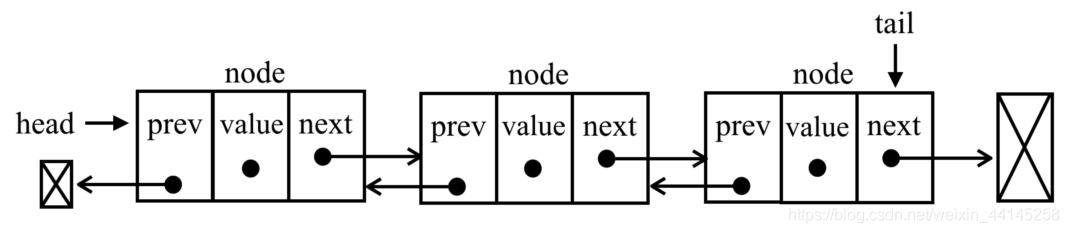
class Node {constructor(value) {this.value = value;this.next = null;this.prev = null;}}class DBLinkedList {constructor() {this.length = 0;this.head = null;}equalsFn(a, b) {return a === b;}}
双向链表需要讨论的情况
- 当结点为头结点时
- 当结点为最后一个结点时
- 当结点有且只有一个结点时
重构链表方法
class Node {constructor(value) {this.value = value;this.next = null;this.prev = null;}}class DBLinkedList {constructor() {this.length = 0;this.head = null;}equalsFn(a, b) {return a === b;}push(val) {let newNode = new Node(val);let prev = this.head;let curr;if (!this.head) { // 刚开始链表为空,就把这个设置为headthis.head = newNode;} else {curr = this.head;while (curr.next) { // 一直找到链表末尾curr = curr.next;prev = curr;}curr.next = newNode;newNode.prev = prev;}this.length++;}removeAt(index) {if (index < this.length && index >= 0) {let curr = this.head;if (index === 0) {this.head = curr.next;if (this.length !== 1) {this.head.prev = null;}this.length--;} else {// 找到index前一个后停止,下一个就是要删除的结点for (let i = 1; i < index; i++) {curr = curr.next;}let beRemove = curr.next;// 改变要被删除结点的上一个结点的指向curr.next = beRemove.next;if (index !== this.length - 1) {beRemove.next.prev = curr;}this.length--;return beRemove;}}}getElementAt(index) {if (index < this.length && index >= 0) {let curr = this.head;if (index === 0) return curr;else {for (let i = 1; i <= index; i++) {curr = curr.next;}return curr;}}}insert(index, value) {let newNode = new Node(value);if (index < this.length && index >= 0) {let curr = this.head;if (index === 0) { // index 为0,改变头结点指向就行了this.head = newNode;this.head.next = curr;if (this.length > 1) {this.head.prev = null;}} else {// 找到插入位置的前一个,for (let i = 1; i < index; i++) {curr = curr.next;}let nextNode = curr.next;curr.next = newNode;newNode.prev = curr;newNode.next = nextNode;if (index !== this.length - 1) {nextNode.prev = newNode;}}this.length++;} else {throw "索引值错误";}}indexOf(value) {let curr = this.head; // 存入headif (this.equalsFn(curr.value, value)) {return 0;}for (let i = 1; i < this.length; i++) {curr = curr.next;if (this.equalsFn(curr.value, value)) {return i;}}return -1;}removeValue(value) {let curr = this.head;let prev = null;if (this.equalsFn(curr.value, value)) {this.head = curr.next;if (this.head) {this.head.prev = null;}this.length--;}for (let i = 1; i < this.length; i++) {prev = curr;curr = curr.next;if (this.equalsFn(curr.value, value)) {prev.next = curr.next;if (curr.next) {curr.next.prev = prev;}this.length--;}}return undefined;}toString() {let objString = "";let curr = this.head;if (!curr) {return objString;} else {objString = `${curr.value}`;for (let i = 1; i < this.length; i++) {curr = curr.next;objString = `${objString}, ${curr.value}`;}return objString;}}getHead() {return this.head;}isEmpty() {return this.length === 0 ? true : false;}size() {return this.length;}}
循环链表的概念
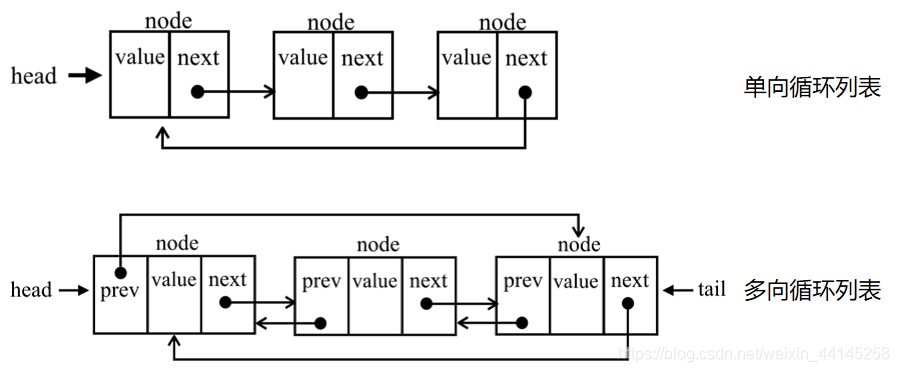
- 循环链表可以像链表一样只有单向引用,也可以像双向链表一样有双向引用。
- 循环链表和链表之间唯一的区别在于,最后一个元素指向下一个元素的指针不是引用undefined,而是指向第一个元素(head)

若有收获,就点个赞吧
0 人点赞


