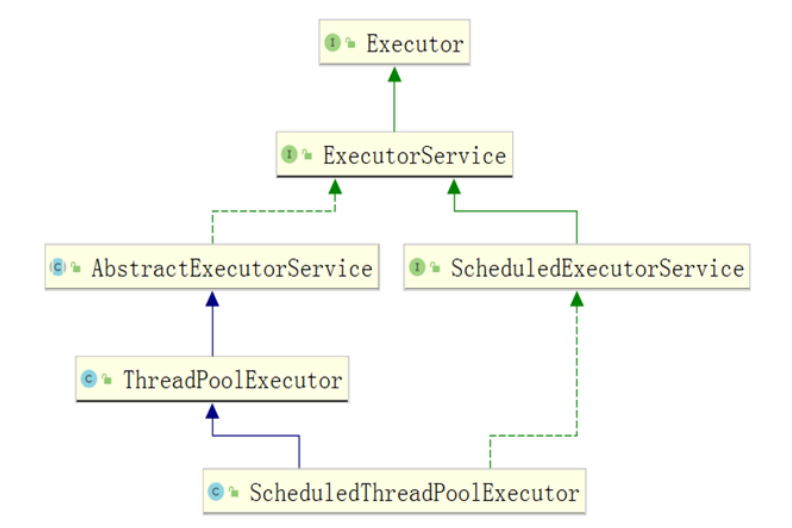
newCachedThreadPool()
public static ExecutorService newCachedThreadPool() {return new ThreadPoolExecutor(0, Integer.MAX_VALUE,60L, TimeUnit.SECONDS,new SynchronousQueue<Runnable>());}
newFIxedThreadPool()
public static ExecutorService newFixedThreadPool(int nThreads) {return new ThreadPoolExecutor(nThreads, nThreads,0L, TimeUnit.MILLISECONDS,new LinkedBlockingQueue<Runnable>());}
newSingleThreadPool()
public static ExecutorService newSingleThreadExecutor() {return new FinalizableDelegatedExecutorService(new ThreadPoolExecutor(1, 1,0L, TimeUnit.MILLISECONDS,new LinkedBlockingQueue<Runnable>()));}
自定义线程池
ThreadPoolExecutor threadPoolExecutor = new ThreadPoolExecutor(10, 20, 2 0L,TimeUnit.MILLISECONDS, new LinkedBlockingQueue<Runnable>(10));
提交优先级
执行优先级
拒绝策略
(1)、CallerRunsPolicy,由调用execute方法提交任务的线程来执行这个任务;
(2)、AbortPolicy,抛出异常RejectedExecutionException拒绝提交任务;
(3)、DiscardPolicy,直接抛弃任务,不做任何处理;
(4)、DiscardOldestPolicy,去除任务队列中的第一个任务(最旧的),重新提交;
public void execute(Runnable command) {if (command == null)throw new NullPointerException();/** Proceed in 3 steps:** 1. If fewer than corePoolSize threads are running, try to* start a new thread with the given command as its first* task. The call to addWorker atomically checks runState and* workerCount, and so prevents false alarms that would add* threads when it shouldn't, by returning false.** 2. If a task can be successfully queued, then we still need* to double-check whether we should have added a thread* (because existing ones died since last checking) or that* the pool shut down since entry into this method. So we* recheck state and if necessary roll back the enqueuing if* stopped, or start a new thread if there are none.** 3. If we cannot queue task, then we try to add a new* thread. If it fails, we know we are shut down or saturated* and so reject the task.*/int c = ctl.get();if (workerCountOf(c) < corePoolSize) {if (addWorker(command, true))return;c = ctl.get();}if (isRunning(c) && workQueue.offer(command)) {int recheck = ctl.get();if (! isRunning(recheck) && remove(command))reject(command);else if (workerCountOf(recheck) == 0)addWorker(null, false);}else if (!addWorker(command, false))reject(command);}
private boolean addWorker(Runnable firstTask, boolean core) {retry:for (;;) {int c = ctl.get();int rs = runStateOf(c);// Check if queue empty only if necessary.if (rs >= SHUTDOWN &&! (rs == SHUTDOWN &&firstTask == null &&! workQueue.isEmpty()))return false;for (;;) {int wc = workerCountOf(c);if (wc >= CAPACITY ||wc >= (core ? corePoolSize : maximumPoolSize))return false;if (compareAndIncrementWorkerCount(c))break retry;c = ctl.get(); // Re-read ctlif (runStateOf(c) != rs)continue retry;// else CAS failed due to workerCount change; retry inner loop}}boolean workerStarted = false;boolean workerAdded = false;Worker w = null;try {w = new Worker(firstTask);final Thread t = w.thread;if (t != null) {final ReentrantLock mainLock = this.mainLock;mainLock.lock();try {// Recheck while holding lock.// Back out on ThreadFactory failure or if// shut down before lock acquired.int rs = runStateOf(ctl.get());if (rs < SHUTDOWN ||(rs == SHUTDOWN && firstTask == null)) {if (t.isAlive()) // precheck that t is startablethrow new IllegalThreadStateException();workers.add(w);int s = workers.size();if (s > largestPoolSize)largestPoolSize = s;workerAdded = true;}} finally {mainLock.unlock();}if (workerAdded) {t.start();workerStarted = true;}}} finally {if (! workerStarted)addWorkerFailed(w);}return workerStarted;}
final void runWorker(Worker w) {Thread wt = Thread.currentThread();Runnable task = w.firstTask;w.firstTask = null;w.unlock(); // allow interruptsboolean completedAbruptly = true;try {while (task != null || (task = getTask()) != null) {w.lock();// If pool is stopping, ensure thread is interrupted;// if not, ensure thread is not interrupted. This// requires a recheck in second case to deal with// shutdownNow race while clearing interruptif ((runStateAtLeast(ctl.get(), STOP) ||(Thread.interrupted() &&runStateAtLeast(ctl.get(), STOP))) &&!wt.isInterrupted())wt.interrupt();try {beforeExecute(wt, task);Throwable thrown = null;try {task.run();} catch (RuntimeException x) {thrown = x; throw x;} catch (Error x) {thrown = x; throw x;} catch (Throwable x) {thrown = x; throw new Error(x);} finally {afterExecute(task, thrown);}} finally {task = null;w.completedTasks++;w.unlock();}}completedAbruptly = false;} finally {processWorkerExit(w, completedAbruptly);}}
ScheduledThreadPoolExecutor
schedule:延迟多长时间之后只执行一次;
scheduledAtFixedRate固定:延迟指定时间后执行一次,之后按照固定的时长周期执行;
scheduledWithFixedDelay非固定:延迟指定时间后执行一次,之后按照:上一次任务执行时长 + 周期的时长 的时间去周期执行;
ScheduledThreadPoolExecutor scheduledThreadPoolExecutor = new ScheduledThreadPoolExecutor(2);scheduledThreadPoolExecutor.scheduleWithFixedDelay(() -> {System.out.println("time:" + System.currentTimeMillis());}, 1,3, TimeUnit.SECONDS);
private void delayedExecute(RunnableScheduledFuture<?> task) {if (isShutdown())reject(task);else {super.getQueue().add(task);if (isShutdown() &&!canRunInCurrentRunState(task.isPeriodic()) &&remove(task))task.cancel(false);elseensurePrestart();}}
public boolean offer(Runnable x) {if (x == null)throw new NullPointerException();RunnableScheduledFuture<?> e = (RunnableScheduledFuture<?>)x;final ReentrantLock lock = this.lock;lock.lock();try {int i = size;if (i >= queue.length)grow();//扩容50%size = i + 1;if (i == 0) {queue[0] = e;setIndex(e, 0);} else {siftUp(i, e);//插入堆尾}if (queue[0] == e) {leader = null;//如果新加入的元素成为了堆顶,则原先的leader就无效了。available.signal();// 由于原先leader已经无效被设置为null了,这里随便唤醒一个线程(未必是原先的leader)来 取走堆顶任务。}} finally {lock.unlock();}return true;}
private void siftUp(int k, RunnableScheduledFuture<?> key) {while (k > 0) {int parent = (k - 1) >>> 1;RunnableScheduledFuture<?> e = queue[parent];if (key.compareTo(e) >= 0)break;queue[k] = e;setIndex(e, k);k = parent;}queue[k] = key;setIndex(key, k);}
public void run() {boolean periodic = isPeriodic();if (!canRunInCurrentRunState(periodic))cancel(false);else if (!periodic)ScheduledFutureTask.super.run();else if (ScheduledFutureTask.super.runAndReset()) {setNextRunTime();reExecutePeriodic(outerTask);}}

若有收获,就点个赞吧
0 人点赞


