本章主要讲述内容
在上一章节中讲述了集成 配置中心+注册中心+服务网关 的初步使用。
本章节主要记录 在服务网关中同一个服务下多个节点的负载均衡问题。
由于Nacos里默认集成了 Ribon 负载均衡组件,实际上经过上一章节的操作,我们已经搭建完了负载均衡的功能,所以我们主要是验证一下实际的效果,和一些使用方法以及源码分析。
具体搭建可参考:微服务实战(六)集成服务网关 SpringCloud GateWay (配置中心&注册中心用Nacos)
准备多个服务提供者工程
具体搭建可参考:微服务实战(三)集成服务注册发现中心 SpringCloud Nacos
我们在之前章节中已经搭建过服务提供者工程 (combat-provider)
现在我们先做个小小的劳动改造。
写一个新的接口,用于报告自身的节点编号
package com.zjf.combat.api.nacos;import org.springframework.beans.factory.annotation.Value;import org.springframework.web.bind.annotation.GetMapping;import org.springframework.web.bind.annotation.RestController;@RestControllerpublic class LoadBanlanceApi {@Value("${node:0}")private String node;@GetMapping(value = "/loadBanlance/print")public String print() {return "my node number is " + node;}}
然后在配置文件里面加上一个新的节点编号配置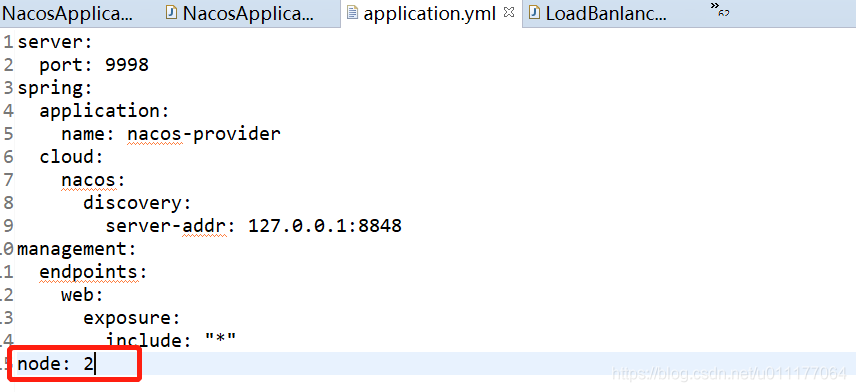
最后我们要做的把这个combat-provider复制成两份,启动。
【combat-provider】 端口号9999 ,application.yml 中 node : 1
【combat-provider2】端口号9998 , application.yml 中 node : 2
最后的最后,把SpringCloud GateWay 也启动起来。
然后调用我们新写的接口: http://127.0.0.1:9000/nacos-provider/loadBanlance/print
多次刷新 ,观察效果:

经过我长达24小时的跟踪,这个确实是交替负载的,也就是平权轮询的规则。
修改权重
进入nacos后台,找到我们的这个服务,修改里面两个节点各自的权重。
我们先将node1 改为 权重3 。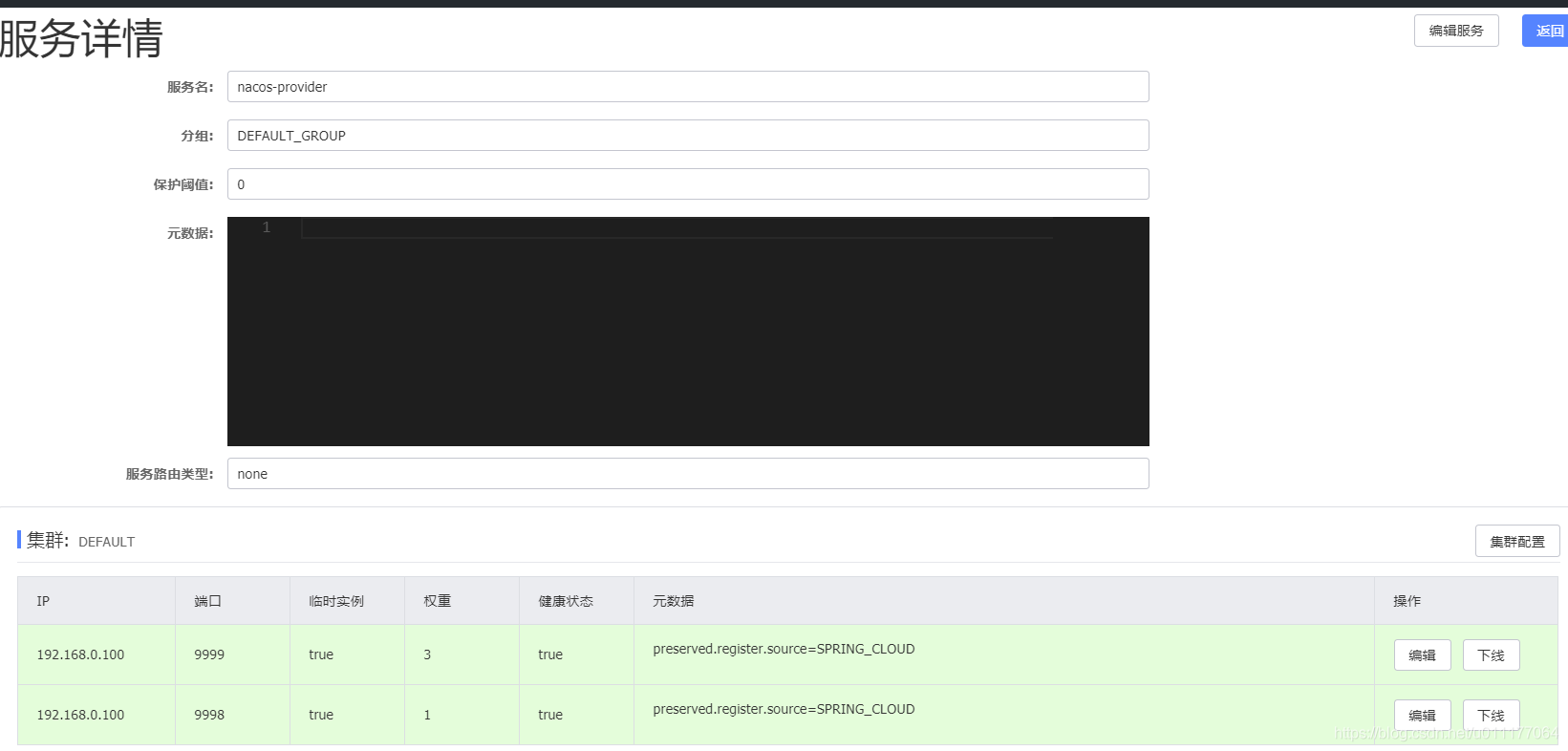
再次测试下, 嗯,我们可以看到多次刷新,节点1和节点2将是… 额,还是依次出现…
居然这个权重设置是没有用的。
先贴下如何解决吧
在 SpringCloud GateWay 的工程(我的工程:combat-gateway)中,注册一个Bean
@SpringBootApplication@EnableDiscoveryClient@ComponentScanpublic class NacosApplication {public static void main(String[] args) {SpringApplication.run(NacosApplication.class, args);}@Bean@Scope(value="prototype")public IRule loadBalanceRule(){return new NacosRule();}}
关于Nacos集成Robin并使用自定义负载均衡策略的记录
翻了一下Nacos的源码,发现里面是有一个Robin负载均衡策略的实现的,而Nacos可能没有将它自己重写的负载均衡策略启用 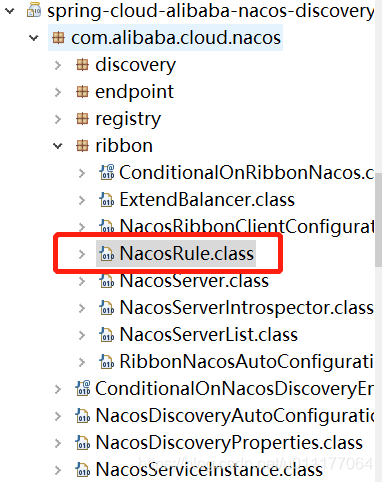
com.alibaba.cloud.nacos.ribbon.NacosRule 中的 choose 实现:
public Server choose(Object key) {try {String clusterName = this.nacosDiscoveryProperties.getClusterName();DynamicServerListLoadBalancer loadBalancer = (DynamicServerListLoadBalancer) getLoadBalancer();String name = loadBalancer.getName();NamingService namingService = this.nacosDiscoveryProperties.namingServiceInstance();List<Instance> instances = namingService.selectInstances(name, true);if (CollectionUtils.isEmpty(instances)) {LOGGER.warn("no instance in service {}", name);return null;}List<Instance> instancesToChoose = instances;if (StringUtils.isNotBlank(clusterName)) {List<Instance> sameClusterInstances = instances.stream().filter(instance -> Objects.equals(clusterName,instance.getClusterName())).collect(Collectors.toList());if (!CollectionUtils.isEmpty(sameClusterInstances)) {instancesToChoose = sameClusterInstances;}else {LOGGER.warn("A cross-cluster call occurs锛宯ame = {}, clusterName = {}, instance = {}",name, clusterName, instances);}}Instance instance = ExtendBalancer.getHostByRandomWeight2(instancesToChoose);return new NacosServer(instance);}catch (Exception e) {LOGGER.warn("NacosRule error", e);return null;}}
其中,getHostByRandomWeight2 这个方法就是根据Nacos后台设置的权重去获取当前要转发的节点。
接下来再翻到网关项目的 ribbon-loadbalancer-2.3.0.jar 依赖,里面的负载均衡器里使用的默认规则是 RoundRobinRule
public class BaseLoadBalancer extends AbstractLoadBalancer implementsPrimeConnections.PrimeConnectionListener, IClientConfigAware {private static Logger logger = LoggerFactory.getLogger(BaseLoadBalancer.class);private final static IRule DEFAULT_RULE = new RoundRobinRule();
com.netflix.loadbalancer.RoundRobinRule 的 choose 方法实现:
RoundRobinRule 是在节点列表中轮询的策略实现
public Server choose(ILoadBalancer lb, Object key) {if (lb == null) {log.warn("no load balancer");return null;}Server server = null;int count = 0;while (server == null && count++ < 10) {List<Server> reachableServers = lb.getReachableServers();List<Server> allServers = lb.getAllServers();int upCount = reachableServers.size();int serverCount = allServers.size();if ((upCount == 0) || (serverCount == 0)) {log.warn("No up servers available from load balancer: " + lb);return null;}int nextServerIndex = incrementAndGetModulo(serverCount);server = allServers.get(nextServerIndex);if (server == null) {/* Transient. */Thread.yield();continue;}if (server.isAlive() && (server.isReadyToServe())) {return (server);}// Next.server = null;}if (count >= 10) {log.warn("No available alive servers after 10 tries from load balancer: "+ lb);}return server;}
int nextServerIndex = incrementAndGetModulo(serverCount);server = allServers.get(nextServerIndex);//根据当前节点总数 递增取余,从而逐次轮询所有节点private int incrementAndGetModulo(int modulo) {for (;;) {int current = nextServerCyclicCounter.get();int next = (current + 1) % modulo;if (nextServerCyclicCounter.compareAndSet(current, next))return next;}}//获取到上一次的轮询索引nextServerCyclicCounter.get()
在Robin中,AbstractLoadBalancerRule 它的负载均衡策略有如下实现类,其实我们如果想使用结合Nacos后台权重设置的策略,只需要将 NacosRule 注册成为Bean,替换默认的 Rule即可。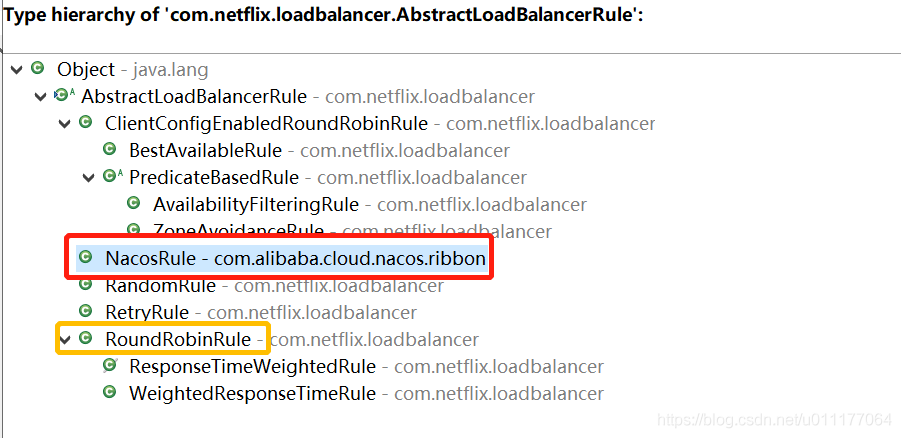
所以在 SpringCloud GateWay 的工程中,注册一个Bean
@SpringBootApplication@EnableDiscoveryClient@ComponentScanpublic class NacosApplication {public static void main(String[] args) {SpringApplication.run(NacosApplication.class, args);}@Bean@Scope(value="prototype")public IRule loadBalanceRule(){return new NacosRule();}}

若有收获,就点个赞吧
0 人点赞


