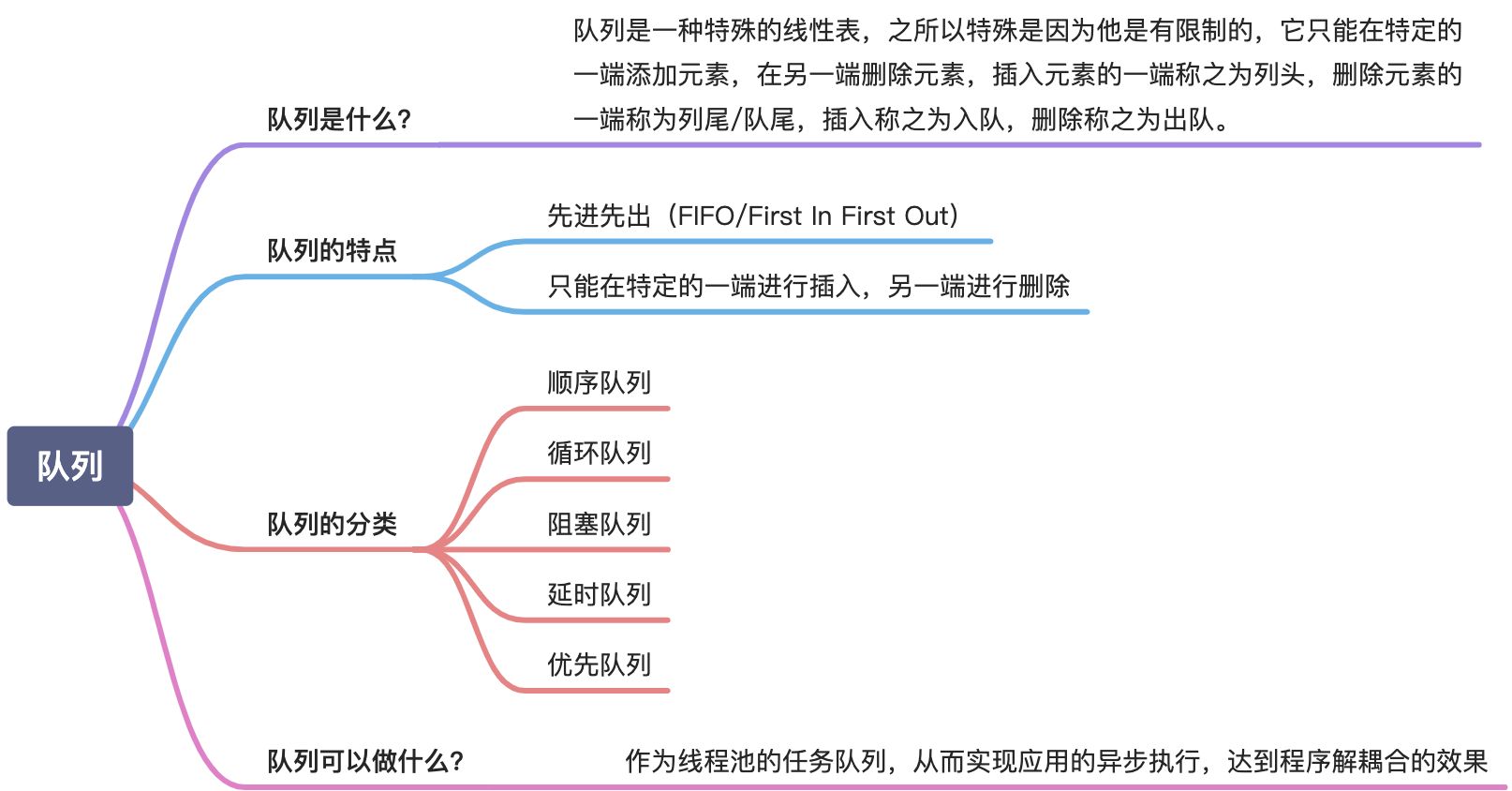
1. 什么是队列
1.1 队列的基本概念
队列是一种特殊的线性表结构,特殊之处在于它只能在队头删除元素,在队尾插入元素,它是一种有操作限制的线性表结构,插入元素称之为入队,删除元素称之为出队,队列中的数据元素被称之为队列元素。队列这种结构非常类似于我们现实生活中,排队买票的场景。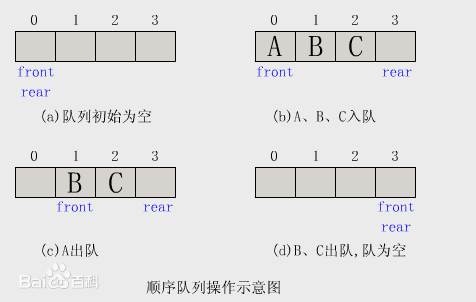
1.2 队列的特点
- 先进先出(FIFO/First In First Out)。
- 是一种具有操作限制的线性表。
2. 队列类别
2.1 顺序队列
顺序队列(单向队列),顾名思义就是插入删除都是有顺序的,按照先进先出的规则进行数据的插入与删除,只能在一端插入数据,另一段删除数据。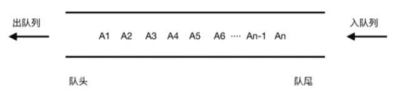
2.1.1 基于数组实现单向队列
package com.muzili.queue;/**** @author: muzili(李敷斌)* @date: 2021/7/22* @version: v0.0.1* @description: 基于数组实现队列*/public class ArrayQueue<T> implements Queue<T>{/*** 保存数据的数组*/private T[]data;/*** 头部索引值*/private int head = 0;/*** 尾部索引值*/private int tail = 0;/*** 容量*/private int capcity = 10;public ArrayQueue() {data = (T[]) new Object[capcity];}public ArrayQueue(int capcity) {this.capcity = capcity;data = (T[]) new Object[capcity];}/*** 入队** @param item*/public void put(T item) {judgeSize();data[tail] = item;tail++;}/*** 出队** @return 元素*/public T poll() {if (isEmpty()){return null;}T item = data[head];data[head] = null;head++;return item;}/*** 是否为空** @return 是否为空*/public boolean isEmpty() {return tail == head;}/*** 判断大小* @return*/public void judgeSize(){if (tail == capcity){if (head > 0){for (int i = 0; i < tail - 1; i++) {data[i] = data[i+head-tail];}if (tail==head){head = 0;tail = 0;return;}tail-=head;return;}throw new RuntimeException("队列满了~~~");}}}
从上述代码分析得出,当head与tail相等时队列为空,当tail与capcity相等并且head等于0时表示队列容量满了。
缺点:
- 当tail值与capcity时相等并且head大于0时需要对数组进行移动操作。这里的时间复杂度是O(n),平均复杂度为O(2)==> (n*2)/n,因为如果数组容量是1000,那么前999次都是为O(1),只有第1000次是O(n)
2.1.2 基于链表实现单向队列
```java package com.muzili.queue;
import com.muzili.list.LinkedList;
/*
- @author: muzili(李敷斌)
- @date: 2021/7/22
- @version: v0.0.1
@description: 基于链表实现队列 */ public class LinkedListQueue
implements Queue { private LinkedList
dataList = new LinkedList (); /**
- 入队 *
@param item */ public void put(T item) { dataList.addLast(item); }
/**
- 出队 *
@return 元素 */ public T poll() {
if (isEmpty()){
return null;
} LinkedList
.Node first = dataList.getFirst(); dataList.removeFirst(); return first.getData(); } /**
- 是否为空 *
- @return 是否为空
*/
public boolean isEmpty() {
return dataList.getSize() == 0;
}
}
```
2.2 循环队列
循环队列,顾名思义就是每一端都可以插入元素。 ```java
package com.muzili.queue;
```java
package com.muzili.queue;
/*
- @author: muzili(李敷斌)
- @date: 2021/7/22
- @version: v0.0.1
@description: 循环队列 */ public class CircularQueue
implements Queue { /**
保存数据的数组 */ private T[]data;
/**
头部索引值 */ private int head = 0;
/**
尾部索引值 */ private int tail = 0;
/**
容量 */ private int capcity = 10;
public CircularQueue() { data = (T[]) new Object[capcity]; }
public CircularQueue(int capcity) { this.capcity = capcity; data = (T[]) new Object[capcity]; }
/**
- 入队 *
@param item */ public void put(T item) { judge(); data[tail] = item; tail = (tail + 1) % capcity; }
private void judge() {
if ((tail + 1) % capcity == head){
throw new RuntimeException("队列满了哦~~~");
}
}
/**
- 出队 *
@return 元素 */ public T poll() {
if (isEmpty()){
return null;
} T item = data[head]; head = (head + 1) % capcity; return item; }
/**
- 是否为空 *
- @return 是否为空
*/
public boolean isEmpty() {
return tail == head;
}
}
```
在循环队列中,tail等于head表示队列为空队列,当然tail等于head时也还可能是队列满了,但是为了避免这种情况,一般我们都会以MaxSize-1的大小作为队列的容量,当队列中的元素达到MaxSize-1时就表示队列满了,所以可以避免tail与head相等时即可以表示队列为空也可以表示队列满了的情况,当(tail+1)% capcity 等于head时表示队列满了。
2.3 优先队列
优先队列指的就是,允许后进的元素先出队,JDK中的优先队列实现为AsLIFOQueue。2.4 阻塞队列
阻塞队列,指的就是在队列的基础上添加了阻塞的操作,比如当队列为空的时候,元素出队的操作就会被阻塞,在队列中有元素时会被唤起,当队列满了的时候,入队操作被阻塞。
在阻塞队列中,一般会有消费者和生产者这样的概念,消费者消费队列中的元素,生产者向队列中产出元素。2.5 延时队列
延时队列,就是在队列的基础上为元素添加了延时概念,延时队列可以被看做是一种优先队列,延时时间先过完的元素可以优先出队。

若有收获,就点个赞吧
0 人点赞


