简介
本篇文章主要介绍一个优秀的基于react实现的懒加载控件:https://github.com/twobin/react-lazyload。
优点
易于使用,比如
<Lazyload throttle={200} height={300}><img src="http://ww3.sinaimg.cn/mw690/62aad664jw1f2nxvya0u2j20u01hc16p.jpg" /></Lazyload>
代码不侵入,可以懒加载任何的东西,不仅限于图片
- 源代码短小精悍,易于理解,易于修改
- star数3k+,生命力不错
好奇
- 如何实现懒加载
- 怎么处理相对位置固定大小容器的懒加载
懒加载组件的每个api具体做什么用的,真需要这么多么,我们自己实现的话能想到哪些
LazyLoad.propTypes = {once: PropTypes.bool,height: PropTypes.oneOfType([PropTypes.number, PropTypes.string]),offset: PropTypes.oneOfType([PropTypes.number, PropTypes.arrayOf(PropTypes.number)]),overflow: PropTypes.bool,resize: PropTypes.bool,scroll: PropTypes.bool,children: PropTypes.node,throttle: PropTypes.oneOfType([PropTypes.number, PropTypes.bool]),debounce: PropTypes.oneOfType([PropTypes.number, PropTypes.bool]),placeholder: PropTypes.node,scrollContainer: PropTypes.oneOfType([PropTypes.string, PropTypes.object]),unmountIfInvisible: PropTypes.bool};
如何判断一个组件需要加载 or 不加载的,边界测试如何实现
- 支持横向懒加载么?为什么api里没有width这个选项
实现思路
class LazyLoad extends Component {constructor(props) {super(props)this.visible = false;}componentDidMount() {...}shouldComponentUpdate() {return this.visible;}componentWillUnmount() {...}render() {return this.visible ?this.props.children :this.props.placeholder ?this.props.placeholder :<div style={{ height: this.props.height }} className="lazyload-placeholder" />;}
简单猜测
- 首先,组件加不加载,LazyLoad这个组件以高阶组件的形式内含了我们所要使用懒加载的组件,由内置的this.visible控制,而这个变量将会是组件与外界(包含容器)产生联系的地方,比如由监听事件触发后,来判断并改变this.visible的值,由此控制了组件的加载不加载。
- 而改变this.visible的逻辑,应该会与事件扯上联系,比较我们的懒加载是基于视窗变化来实现组件按需加载的一种概念。所以看起来这部分逻辑应该就是省略的componentDidMount部分了。
- componentWillUnmount应该会涉及一些事件清除等移除即将销毁组件遗留状态的工作
源码细节
在经过一个简单猜测后,我们还是实际还是应该一步步去看着代码,带着我们之前“好奇”的问题,来近一步探寻这个精巧的懒加载组件是如何完成的。
细节1 - componentDidMount阶段具体做了什么
componentDidMount() {// It's unlikely to change delay type on the fly, this is mainly// designed for testslet scrollport = window; // 这个地方不难理解,正常我们懒加载滑动窗口都是windowconst { // 设置完默认的scrollport,从正常需求来看,会存在滑动窗口并非是window的情况,scrollContainer, // 所以props上会暴露一个scrollContainer的api来处理这种情况} = this.props;if (scrollContainer) {if (isString(scrollContainer)) {scrollport = scrollport.document.querySelector(scrollContainer);}// TODO(疑问):如果scrollContainer是Object的情况呢?api是支持这个数据类型的}// 这里从变量名来看应该是判断是不是需要重载 debounce 或则 throttle的// TODO(疑问),看起来这里似乎有点费解,是不是有bug?const needResetFinalLazyLoadHandler = (this.props.debounce !== undefined && delayType === 'throttle')|| (delayType === 'debounce' && this.props.debounce === undefined);if (needResetFinalLazyLoadHandler) {off(scrollport, 'scroll', finalLazyLoadHandler, passiveEvent);off(window, 'resize', finalLazyLoadHandler, passiveEvent);finalLazyLoadHandler = null;}if (!finalLazyLoadHandler) {if (this.props.debounce !== undefined) {finalLazyLoadHandler = debounce(lazyLoadHandler, typeof this.props.debounce === 'number' ?this.props.debounce :300);delayType = 'debounce';} else if (this.props.throttle !== undefined) {finalLazyLoadHandler = throttle(lazyLoadHandler, typeof this.props.throttle === 'number' ?this.props.throttle :300);delayType = 'throttle';} else {finalLazyLoadHandler = lazyLoadHandler;}}// 这个overflow api从下面的逻辑看,应该是判断组件是否包含在非window对象的容器中的懒加载if (this.props.overflow) {// 如果是,就找到包含该组件的父及容器const parent = scrollParent(ReactDom.findDOMNode(this));if (parent && typeof parent.getAttribute === 'function') {// 这个打标记的意义在哪需要再观察观察,逻辑上是为了保证监听事件只进行一次,不再重复监听const listenerCount = 1 + (+parent.getAttribute(LISTEN_FLAG));if (listenerCount === 1) {parent.addEventListener('scroll', finalLazyLoadHandler, passiveEvent);}parent.setAttribute(LISTEN_FLAG, listenerCount);}} else if (listeners.length === 0 || needResetFinalLazyLoadHandler) {// 从下面逻辑看,listeners数组是存储被懒加载的组件集合(单例)// 结合之前的内容看(scrollport),这里是在对没传overflow参数时,事件绑定的处理// TODO(疑问):这里是不是也应该用上面打标记计数的方式,标记一个容器只能被监听一次const { scroll, resize } = this.props;if (scroll) {on(scrollport, 'scroll', finalLazyLoadHandler, passiveEvent);}if (resize) {on(window, 'resize', finalLazyLoadHandler, passiveEvent);}}listeners.push(this);// 此处应该是改变this.visible的地方,后面的细节3会详细讲解这部分逻辑checkVisible(this);}
细节2 - lazyLoadHandler
由下面代码可以看出,同一个容器内的scroll/resize事件监听只会进行一次,多次的合并是通过listener数组做到的。那么这里也有一个疑问:当前的逻辑,似乎无法满足当一个页面中有多个容器的懒加载时,每次事件触发,只会扫描对应容器下有关的listener,我理解这可能是这个组件库可以有待改进的地方(或许是个能pr好机会哟~)。
总之,这个函数大致意思也就是在 scroll/resize 事件触发时,集中对涉及到的lazyload组件进行判断他们是否显示加载。
const lazyLoadHandler = () => {for (let i = 0; i < listeners.length; ++i) {const listener = listeners[i];// 这个函数在ComponentDidMount阶段也被调用过,细节3将会更详细的讲解他的逻辑checkVisible(listener);}// Remove `once` component in listenerspurgePending(); // 这个地方属于非主线细节,就暂时略过了,感兴趣的可以看源码};
细节3 - checkVisible
const checkVisible = function checkVisible(component) {const node = ReactDom.findDOMNode(component); // 获取真实的dom元素if (!(node instanceof HTMLElement)) { // 容错处理return;}const parent = scrollParent(node); // 找到对应懒加载组件的包裹容器const isOverflow = component.props.overflow && // 判断容器是否是"全屏幕"的parent !== node.ownerDocument &&parent !== document &&parent !== document.documentElement;const visible = isOverflow ? // 根据容器是否是为"全屏幕"的,//采取不同的处理方法来计算组件是否需要显示checkOverflowVisible(component, parent) :checkNormalVisible(component);if (visible) {// Avoid extra render if previously is visibleif (!component.visible) {if (component.props.once) { // 这个once的api应该是用来做性能优化的"剪枝"操作的,pending.push(component); // 避免不必要的listen再次被扫到处理} // 这里可以想想如果是我们设计这个组件时,是否会考虑到这个apicomponent.visible = true; // 一旦组件是需要显示的,就会调用 component.forceUpdatecomponent.forceUpdate(); // 来对组件进行更新操作了}} else if (!(component.props.once && component.visible)) { // 这里应该是考虑到被懒加载的组件component.visible = false; // 后续可能会因为外部props导致if (component.props.unmountIfInvisible) { // 更新,把非视区的组件先暂时隐藏,component.forceUpdate(); // 这样想也是另一场景下的性能优化}}};
从上面代码看,作者考虑到了不同场景下的一些优化性能的方式,基于此设计了相应的once,unmountIfInVisible 的api,可谓是很全面的了,可以想想假设是我们自己来设计时,是否能想到这些api,想到了会怎么来设计?
细节4 - checkNormalVisible
这是处理正常全屏幕容器懒加载组件是否可见的情况,其实不看代码,我们也能大概知道,是一个判断当前的组件是否和可视区域有交集的,可以抽象成二维平面,两个四边形是否相交的问题,相交则证明组件属于可视区域,反之亦然。
const checkNormalVisible = function checkNormalVisible(component) {const node = ReactDom.findDOMNode(component);// If this element is hidden by css rules somehow, it's definitely invisibleif (!(node.offsetWidth || node.offsetHeight || node.getClientRects().length)) return false;let top;let elementHeight;try {// Element.getBoundingClientRect()方法返回元素的大小及其相对于视口的位置// 这里只获取了组件的盒模型高及相对的top位置,由此能判断当前的懒加载组件只处理垂直方向的懒加载({ top, height: elementHeight } = node.getBoundingClientRect());} catch (e) { // 容错方案,细节可看源码({ top, height: elementHeight } = defaultBoundingClientRect);}// 因为是全屏幕的容器,所以另一个用来判断是否与组件盒子有交集的四边形就是window了const windowInnerHeight = window.innerHeight || document.documentElement.clientHeight;// 这里可的offsets的api设计,可以理解为懒加载的“提前量”需要,做过类似需求的朋友应该能有体会const offsets = Array.isArray(component.props.offset) ?component.props.offset :[component.props.offset, component.props.offset]; // Be compatible with previous API// 在垂直方向,判断是否有交集的逻辑,为什么是这么判断呢// 其实很好理解,交不交差其实都是按边界情况考虑的,如果组件的上边界相对视窗位置(top-offsets[0])// 超过了视窗的下边界的位置windowHeight,那再也不可能相较了。// 同理,如果组件的下边界位置,超过了视窗上边界的位置,那同样也不可能再相交,由此得出了这个计算式子return (top - offsets[0] <= windowInnerHeight) &&(top + elementHeight + offsets[1] >= 0);}
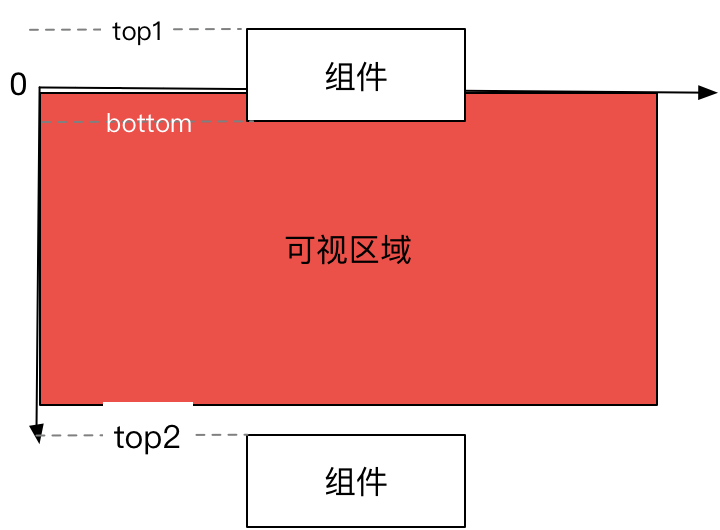
细节5 - checkOverflowVisible
同样是判断是否相交的逻辑,下面的代码区别于细节4的情况,主要在于容器非全屏幕的情况,容器只是浏览器视窗的一个子集,所以在处理相较逻辑上会稍稍做一些改变,看起来应该要多一些相对距离的计算逻辑,具体我们来看代码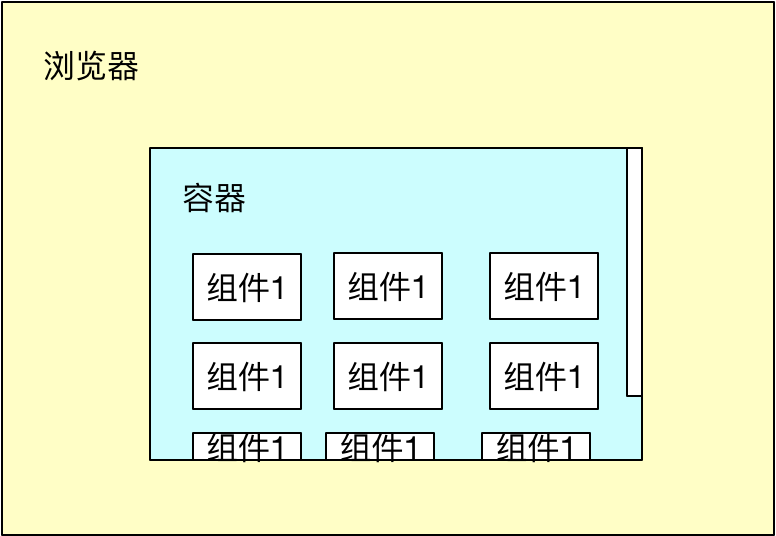
const checkOverflowVisible = function checkOverflowVisible(component, parent) {const node = ReactDom.findDOMNode(component);let parentTop;let parentHeight;try {// 由于多了一个非全屏幕的容器,所以此处需要获取父级容器的位置是比较容易理解的({ top: parentTop, height: parentHeight } = parent.getBoundingClientRect());} catch (e) {({ top: parentTop, height: parentHeight } = defaultBoundingClientRect);}const windowInnerHeight = window.innerHeight || document.documentElement.clientHeight;// calculate top and height of the intersection of the element's scrollParent and viewport// 有了非全屏幕容器的存在,所以需要计算真正可视区域的上边界const intersectionTop = Math.max(parentTop, 0); // intersection's top relative to viewport// 获取真正可视区域的高,也就是获取可视区域的下边界const intersectionHeight = Math.min(windowInnerHeight, parentTop + parentHeight) - intersectionTop; // height// check whether the element is visible in the intersectionlet top;let height;try {({ top, height } = node.getBoundingClientRect());} catch (e) {({ top, height } = defaultBoundingClientRect);}const offsetTop = top - intersectionTop; // element's top relative to intersectionconst offsets = Array.isArray(component.props.offset) ?component.props.offset :[component.props.offset, component.props.offset]; // Be compatible with previous API// 利用求得的实际上下边界,进行与全屏幕视窗时相同的计算方式来进行相交判断,便能计算出组件是否可见了return (offsetTop - offsets[0] <= intersectionHeight) &&(offsetTop + height + offsets[1] >= 0);};
所以,其实对于checkOverflow这种情况的相交判断,只是正常相交判断的特殊版本,两者的代码逻辑是一致的,甚至也可以写做一个函数,不过从阅读的感觉上来看,这种情况,分开写阅读起来会更友好,更能分清楚不同的情况,也给我们平常实现类似逻辑时,提供一点参考。
总结
整个仓库的代码不算上测试用例的话,估计不到1千行,但实现了很丰富场景的懒加载的情况,也对不同场景的性能优化增加了api支持,整个阅读过程下来受到了不少的启发:
- 高阶组件的一种运用场景,非侵入性的增强了功能(特性)
- 灵活应用了模块的单例模式,同一模块中的变量复用,比如listeners这个数组,实现了在不同懒加载组件中,共享同一个事件监听来处理相同事务。
- 相应性能优化的api很受启发,加深了对react开发中,不同编码方式及api使用场景的体感。
- 一个短小精悍的库真的很受国内外同行欢迎,平常也可以尝试开发类似的组件,锻炼自己的设计及编码能力。

若有收获,就点个赞吧
0 人点赞


