一、Json 数据解析和绑定
- 客户端传参,后端接收,然后解析到定义的结构体 ```go package main
import ( “github.com/gin-gonic/gin” “net/http” )
// 定义接收数据的结构体
type Login struct {
// binding:”required”修饰的字段,若接收为空值,则报错,是必须字段
User string form:"username" json:"user" uri:"user" xml:"user" binding:"required"
Pssword string form:"password" json:"password" uri:"password" xml:"password" binding:"required"
}
func main() { // 1.创建路由 // 默认使用了2个中间件Logger(), Recovery() r := gin.Default() // JSON绑定 r.POST(“loginJSON”, func(c *gin.Context) { // 声明接收的变量 var json Login // 将request的body中的数据,自动按照json格式解析到结构体 if err := c.ShouldBindJSON(&json); err != nil { // 返回错误信息 // gin.H封装了生成json数据的工具 c.JSON(http.StatusBadRequest, gin.H{“error”: err.Error()}) return } // 判断用户名密码是否正确 if json.User != “root” || json.Pssword != “admin” { c.JSON(http.StatusBadRequest, gin.H{“status”: “304”}) return } c.JSON(http.StatusOK, gin.H{“status”: “200”}) }) r.Run(“:8000”) }
```bashcurl http://localhost:8000/loginJSON -H 'content-type:application/json' -d "{\"user\":\"root\",\"password\":\"admin\"}" -X POST

二、表单数据解析和绑定
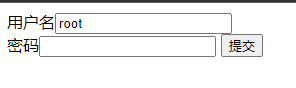
<!DOCTYPE html><html lang="en"><head><meta charset="UTF-8"><meta name="viewport" content="width=device-width, initial-scale=1.0"><meta http-equiv="X-UA-Compatible" content="ie=edge"><title>Document</title></head><body><form action="http://localhost:8000/loginForm" method="post" enctype="application/x-www-form-urlencoded">用户名<input type="text" name="username"><br>密码<input type="password" name="password"><input type="submit" value="提交"></form></body></html>
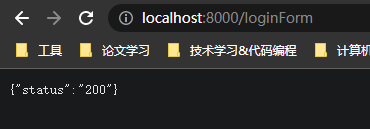
package mainimport ("net/http""github.com/gin-gonic/gin")// 定义接收数据的结构体type Login struct {// binding:"required"修饰的字段,若接收为空值,则报错,是必须字段User string `form:"username" json:"user" uri:"user" xml:"user" binding:"required"`Pssword string `form:"password" json:"password" uri:"password" xml:"password" binding:"required"`}func main() {// 1.创建路由// 默认使用了2个中间件Logger(), Recovery()r := gin.Default()// JSON绑定r.POST("/loginForm", func(c *gin.Context) {// 声明接收的变量var form Login// Bind()默认解析并绑定form格式// 根据请求头中content-type自动推断if err := c.Bind(&form); err != nil {c.JSON(http.StatusBadRequest, gin.H{"error": err.Error()})return}// 判断用户名密码是否正确if form.User != "root" || form.Pssword != "admin" {c.JSON(http.StatusBadRequest, gin.H{"status": "304"})return}c.JSON(http.StatusOK, gin.H{"status": "200"})})r.Run(":8000")}
三、URI数据解析和绑定
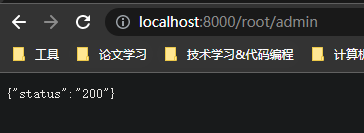
package mainimport ("net/http""github.com/gin-gonic/gin")// 定义接收数据的结构体type Login struct {// binding:"required"修饰的字段,若接收为空值,则报错,是必须字段User string `form:"username" json:"user" uri:"user" xml:"user" binding:"required"`Pssword string `form:"password" json:"password" uri:"password" xml:"password" binding:"required"`}func main() {// 1.创建路由// 默认使用了2个中间件Logger(), Recovery()r := gin.Default()// JSON绑定r.GET("/:user/:password", func(c *gin.Context) {// 声明接收的变量var login Login// Bind()默认解析并绑定form格式// 根据请求头中content-type自动推断if err := c.ShouldBindUri(&login); err != nil {c.JSON(http.StatusBadRequest, gin.H{"error": err.Error()})return}// 判断用户名密码是否正确if login.User != "root" || login.Pssword != "admin" {c.JSON(http.StatusBadRequest, gin.H{"status": "304"})return}c.JSON(http.StatusOK, gin.H{"status": "200"})})r.Run(":8000")}

若有收获,就点个赞吧
0 人点赞


