预备资料
实体类
import lombok.Data;import java.util.ArrayList;import java.util.List;@Datapublic class Area {private Long id;private String name;private Long parentId;private List<Area> children = new ArrayList<>();}
区域数据
3660条
area.json
783562条
data.json
public List<Area> getAreaList() {String areaStr = FileUtil.readString("area.json", StandardCharsets.UTF_8);// String areaStr = FileUtil.readString("data.json", StandardCharsets.UTF_8);return JSONUtil.toList(areaStr, Area.class);}
递归方式
代码
public long recursionBuildAreaData(List<Area> areaList) {System.out.println("开始时间:" + new Date());TimeInterval timer = new TimeInterval();timer.start();// 找出所有一级区域 调用递归方法查找子区域List<Area> areas = areaList.stream().filter(area -> area.getParentId() == 0).peek(area -> area.setChildren(getChildrenArea(area, areaList))).collect(Collectors.toList());long result = timer.intervalMs();System.out.println("递归方式,耗时:" + result + "ms");System.out.println("结束时间:" + new Date());return result;}private List<Area> getChildrenArea(Area area, List<Area> areaList) {// 找出parentId为当前区域id的所有子区域 对子区域再进行递归return areaList.stream().filter(item -> item.getParentId().equals(area.getId())).peek(item -> item.setChildren(getChildrenArea(item, areaList))).collect(Collectors.toList());}
耗时
3660条 200毫秒左右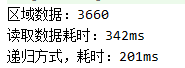
783562条 2小时9分钟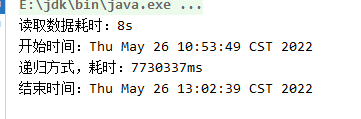
先转map再循环方式
代码
public long toMapThanFor(List<Area> areaList) {TimeInterval timer = new TimeInterval();timer.start();// 先转成Map key为id value为AreaMap<Long, Area> areaMap = areaList.stream().collect(Collectors.toMap(Area::getId, area -> area));List<Area> areas = new ArrayList<>();for (Area area : areaList) {// 不是根节点 则添加到其parentId的区域的children中if (area.getParentId() != 0) {areaMap.get(area.getParentId()).getChildren().add(area);} else {areas.add(area);}}long result = timer.intervalMs();System.out.println("先转为Map,再遍历的方式,耗时:" + result + "ms");return result;}@Testpublic void testToMapThanFor() {List<Area> areaList = getAreaList();toMapThanFor(areaList);}
耗时
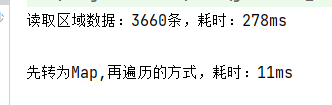
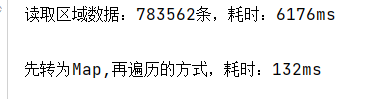
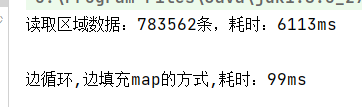
边循环边填充map方式
代码
public long optimizationToMapThanFor(List<Area> areaList) {TimeInterval timer = new TimeInterval();timer.start();Map<Long, Area> areaMap = new HashMap<>();List<Area> areas = new ArrayList<>();for (Area area : areaList) {areaMap.putIfAbsent(area.getId(), area);// 不是根节点 则添加到其parentId的区域的children中if (area.getParentId() != 0) {areaMap.putIfAbsent(area.getParentId(), area);areaMap.get(area.getParentId()).getChildren().add(area);} else {areas.add(area);}}long result = timer.intervalMs();System.out.println("边循环,边填充map的方式,耗时:" + result + "ms");return result;}@Testpublic void testToMapThanFor2() {List<Area> areaList = getAreaList();optimizationToMapThanFor(areaList);}
耗时

速度比对
代码
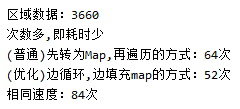
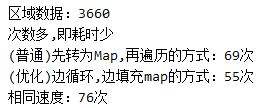
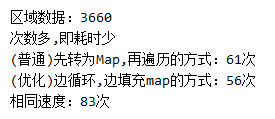
@Testpublic void testMain() {TimeInterval timer = new TimeInterval();timer.start();List<Area> areaList = getAreaList();int l1Count = 0;int l2Count = 0;int l3Count = 0;for (int i = 0; i < 100; i++) {long l1 = toMapThanFor(areaList);long l2 = optimizationToMapThanFor(areaList);if (l1 > l2) {l2Count++;} else if (l1 < l2) {l1Count++;} else {l3Count++;}System.out.println();}System.out.println("区域数据:" + areaList.size());System.out.println("次数多,即耗时少");System.out.println("(普通)先转为Map,再遍历的方式:" + l1Count + "次");System.out.println("(优化)边循环,边填充map的方式:" + l2Count + "次");System.out.println("相同速度:" + l3Count + "次");}
耗时


总结
数据量少时
速度上体现不出差距,基本都是0ms,先转map的代码比较简洁些
数据量多时
边循环边填充map的方式会稍微快一些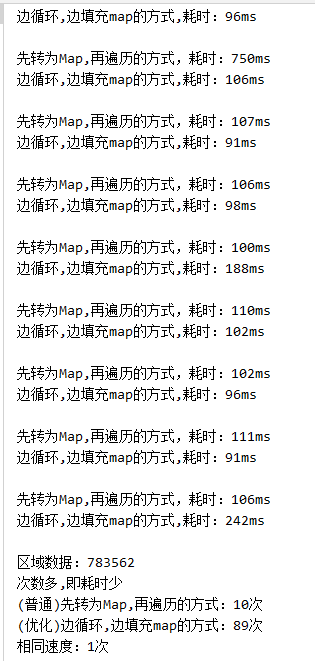
总述
平时使用”先转map再循环方式”即可,代码量简洁清晰点,有庞大数据时才使用”边循环边填充map方式”
完整代码
import cn.hutool.core.date.TimeInterval;
import cn.hutool.core.io.FileUtil;
import cn.hutool.json.JSONUtil;
import org.junit.Test;

import java.nio.charset.StandardCharsets;
import java.util.ArrayList;
import java.util.HashMap;
import java.util.List;
import java.util.Map;
import java.util.stream.Collectors;


public class MyTest {
    // 获取区域列表
    public List<Area> getAreaList() {
        TimeInterval timer = new TimeInterval();
        timer.start();

        String areaStr = FileUtil.readString("area.json", StandardCharsets.UTF_8);
//                String areaStr = FileUtil.readString("data.json", StandardCharsets.UTF_8);

        List<Area> areaList = JSONUtil.toList(areaStr, Area.class);
        System.out.println("读取区域数据:" + areaList.size() + "条" + ",耗时:" + timer.intervalMs() + "ms\n");
        return areaList;
    }

    //////////////////////////////////////////////////////////////////////////////////////////////////////////////////////////


    // 递归组装数据
    public long recursionBuildAreaData(List<Area> areaList) {
        TimeInterval timer = new TimeInterval();
        timer.start();
        // 找出所有一级区域 调用递归方法查找子区域
        List<Area> areas = areaList.stream().filter(area -> area.getParentId() == 0)
                .peek(area -> area.setChildren(getChildrenArea(area, areaList)))
                .collect(Collectors.toList());
        long result = timer.intervalMs();
        System.out.println("递归方式,耗时:" + result + "ms");
        return result;
    }

    private List<Area> getChildrenArea(Area area, List<Area> areaList) {
        // 找出parentId为当前区域id的所有子区域 对子区域再进行递归
        return areaList.stream().filter(item -> item.getParentId().equals(area.getId()))
                .peek(item -> item.setChildren(getChildrenArea(item, areaList))
                ).collect(Collectors.toList());
    }


    @Test
    public void testRecursionBuildAreaData() {
        List<Area> areaList = getAreaList();
        recursionBuildAreaData(areaList);
    }

    //////////////////////////////////////////////////////////////////////////////////////////////////////////////////////////

    public long toMapThanFor(List<Area> areaList) {
        TimeInterval timer = new TimeInterval();
        timer.start();

        // 先转成Map key为id value为Area
        Map<Long, Area> areaMap = areaList.stream().collect(Collectors.toMap(Area::getId, area -> area));
        List<Area> areas = new ArrayList<>();

        for (Area area : areaList) {
            // 不是根节点 则添加到其parentId的区域的children中
            if (area.getParentId() != 0) {
                areaMap.get(area.getParentId()).getChildren().add(area);
            } else {
                areas.add(area);
            }
        }

        long result = timer.intervalMs();
        System.out.println("先转为Map,再遍历的方式,耗时:" + result + "ms");
        return result;
    }

    @Test
    public void testToMapThanFor() {
        List<Area> areaList = getAreaList();
        toMapThanFor(areaList);
    }

    //////////////////////////////////////////////////////////////////////////////////////////////////////////////////////////


    public long optimizationToMapThanFor(List<Area> areaList) {
        TimeInterval timer = new TimeInterval();
        timer.start();

        Map<Long, Area> areaMap = new HashMap<>();
        List<Area> areas = new ArrayList<>();

        for (Area area : areaList) {
            areaMap.putIfAbsent(area.getId(), area);

            // 不是根节点 则添加到其parentId的区域的children中
            if (area.getParentId() != 0) {
                areaMap.putIfAbsent(area.getParentId(), area);

                areaMap.get(area.getParentId()).getChildren().add(area);
            } else {
                areas.add(area);
            }
        }

        long result = timer.intervalMs();
        System.out.println("边循环,边填充map的方式,耗时:" + result + "ms");
        return result;
    }

    @Test
    public void testToMapThanFor2() {
        List<Area> areaList = getAreaList();
        optimizationToMapThanFor(areaList);
    }

    @Test
    public void testMain() {
        TimeInterval timer = new TimeInterval();
        timer.start();
        List<Area> areaList = getAreaList();
        int l1Count = 0;
        int l2Count = 0;
        int l3Count = 0;
        for (int i = 0; i < 100; i++) {
            long l1 = toMapThanFor(areaList);
            long l2 = optimizationToMapThanFor(areaList);
            if (l1 > l2) {
                l2Count++;
            } else if (l1 < l2) {
                l1Count++;
            } else {
                l3Count++;
            }
            System.out.println();
        }
        System.out.println("区域数据:" + areaList.size());
        System.out.println("次数多,即耗时少");
        System.out.println("(普通)先转为Map,再遍历的方式:" + l1Count + "次");
        System.out.println("(优化)边循环,边填充map的方式:" + l2Count + "次");
        System.out.println("相同速度:" + l3Count + "次");
    }


}

若有收获,就点个赞吧
0 人点赞


